

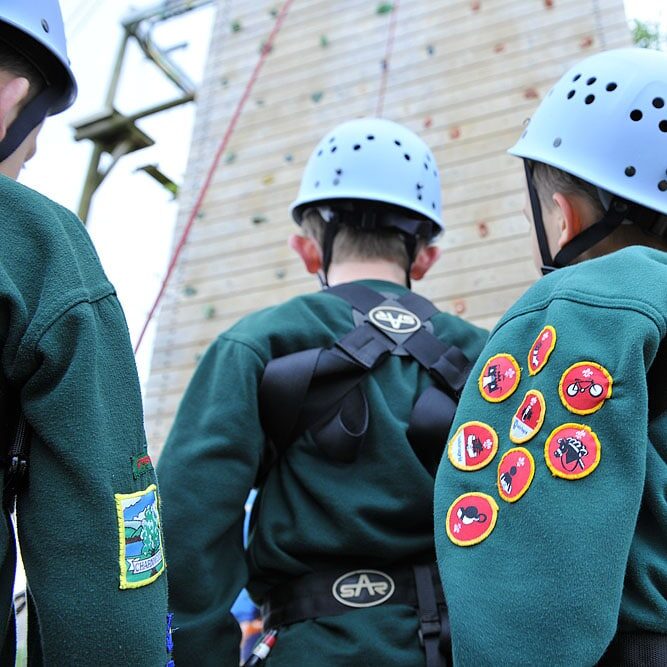
Scouts and Girlguiding groups play an important role in helping young people develop skills that go far beyond the classroom. While badges and achievements are a key part of the experience, it’s often the practical, hands-on activities that have the biggest long-term impact.
From teamwork and communication to resilience and independence, the right activities can help young people build confidence in real-world situations.
Below, we’ve shared 10 Scout activities for life skills that are engaging, adaptable, and designed to support personal development — whether you’re planning weekly sessions or something more immersive.
1. Shelter Building Challenges That Encourage Teamwork and Problem Solving
Shelter building is one of the most effective Scout activities for life skills because it brings together communication, planning, and creativity in a single task.
Rather than simply following instructions, young people have to think about how their shelter will actually work in practice. This naturally leads to discussion, negotiation, and shared decision-making within the group.
In a typical session, groups might be asked to:
- Design a shelter using limited materials
- Decide on roles within the team
- Test how well it holds up against “weather” challenges
- Reflect on what they would change next time
What makes this activity so valuable is that there isn’t one correct answer. Every group approaches the problem differently, which helps young people understand the importance of collaboration and adaptability.
2. Outdoor Cooking That Builds Independence and Responsibility
Cooking outdoors is a simple idea, but it develops a surprising number of life skills at once.
When young people are responsible for preparing a meal together, they naturally begin to think about organisation, timing, hygiene, and teamwork. It also helps build confidence in managing practical tasks without constant adult direction.
In Scouts and Girlguiding settings, outdoor cooking might involve:
- Preparing simple meals over a campfire or stove
- Following basic recipes as a team
- Managing food safety and cleanliness
- Sharing tasks such as preparation, cooking, and clearing up
It’s often one of the most memorable activities because it feels practical and rewarding. There’s a clear outcome at the end, and that sense of achievement really matters for confidence building.
3. Navigation Activities That Develop Independence and Decision Making
Navigation is a core skill in many Scout activities ideas, and it’s one that translates directly into real-world confidence.
When young people learn how to read maps and use a compass, they’re not just completing a task — they’re learning how to make decisions independently and trust their judgement.
Activities might include:
- Following a marked route using a map
- Completing an orienteering challenge in small teams
- Using compass bearings to reach specific checkpoints
- Solving navigation-based puzzles along the way
These activities work particularly well because they require focus and communication under pressure. Young people quickly learn that working together leads to better results, especially when the route isn’t immediately obvious.
4. Team Obstacle Courses That Build Communication Under Pressure
Obstacle courses are one of the most effective teamwork activities for Scouts because they combine physical challenge with problem-solving and communication.
Rather than simply completing obstacles, the focus can be placed on how the team works together to get through them.
You might include:
- Blindfolded challenges where one person is guided verbally
- Tasks that require multiple people to complete a single action
- Time-based challenges that encourage planning under pressure
- Role-based stations where each team member contributes differently
What makes this powerful is how quickly young people see the impact of clear communication.
When instructions are unclear or rushed, progress slows. When they communicate effectively, everything becomes easier.
5. First Aid Scenarios That Build Calm Thinking and Responsibility
First aid activities are some of the most valuable life skills activities for Scouts because they combine knowledge with emotional control.
Rather than simply learning procedures, scenario-based learning allows young people to practise responding in realistic situations.
This might include:
- Acting out minor injury scenarios
- Working through step-by-step response plans
- Learning how to stay calm and assess situations
- Practising how to call for help appropriately
Even at a basic level, these activities help young people understand responsibility and how their actions can make a difference in real situations.
6. Environmental Projects That Build Awareness and Teamwork
Environmental activities are a strong fit for Girlguiding activities ideas, particularly because they encourage reflection, responsibility, and teamwork.
These sessions help young people see the impact of their actions on the world around them, while also giving them a shared goal to work towards.
Examples include:
- Local conservation or clean-up projects
- Building wildlife habitats such as bug hotels
- Exploring local ecosystems and habitats
- Learning about sustainability through practical tasks
These activities work well because they feel meaningful. Young people can see the immediate impact of what they’re doing, which helps build a sense of purpose and teamwork.
7. Problem-Solving Challenges That Encourage Creativity
Not every activity needs to be physical. Some of the most effective learning comes from simple problem-solving tasks that encourage thinking outside the box.
These challenges might include:
- Building structures using limited materials
- Completing puzzles as a team
- Solving logic-based challenges under time pressure
- Working through “what would you do?” scenarios
What’s important here is the process rather than the outcome. These activities encourage discussion, experimentation, and collaboration, all of which are key parts of personal development.
8. Leadership Rotations That Build Confidence and Responsibility
Giving young people the opportunity to lead is one of the most effective ways to build confidence.
By rotating leadership roles during activities, everyone gets a chance to take responsibility in a supportive environment.
This could involve:
- Leading a small group task
- Making decisions about how to approach an activity
- Managing time and organisation within a team
- Supporting others through challenges
Over time, this helps young people understand what good leadership looks like, while also building their own confidence in making decisions.
9. Planning Exercises That Teach Organisation and Independence
Planning activities is a great way to introduce structure and responsibility in a practical way.
Rather than simply taking part in activities, young people are encouraged to think about how those activities are organised.
They might:
- Plan a group camping schedule
- Create a packing list for a trip
- Organise food and equipment for an activity day
- Decide how to allocate tasks within a team
These exercises help build independence and show young people how much thought goes into successful planning.
10. Reflection Sessions That Help Learning Stick
Reflection is often overlooked, but it’s one of the most important parts of any activity.
Taking time to talk about what went well, what was challenging, and what could be improved helps reinforce learning and build self-awareness.
This might include:
- Group discussions after activities
- Sharing personal achievements
- Setting small goals for the next session
- Recognising teamwork and effort
These moments help young people process what they’ve experienced and turn it into long-term learning.
Bringing Scout and Girlguiding Activities to Life with PGL
While weekly sessions are a fantastic foundation, residential experiences can take these skills even further.
At PGL, we build on the same principles found in everyday Scout activities for life skills and Girlguiding activities ideas, but place them into immersive outdoor environments where young people can fully focus on personal development.
Across our programmes, we see young people:
- Take part in meaningful teamwork activities for Scouts in new environments
- Build independence away from home in a supported setting
- Gain confidence through outdoor challenges and shared experiences
- Strengthen friendships while developing communication skills
Our experiences are designed to complement what leaders are already doing, helping bring learning to life in a way that feels memorable and impactful.
You can explore our dedicated programmes here and submit an enquiry for more information: