

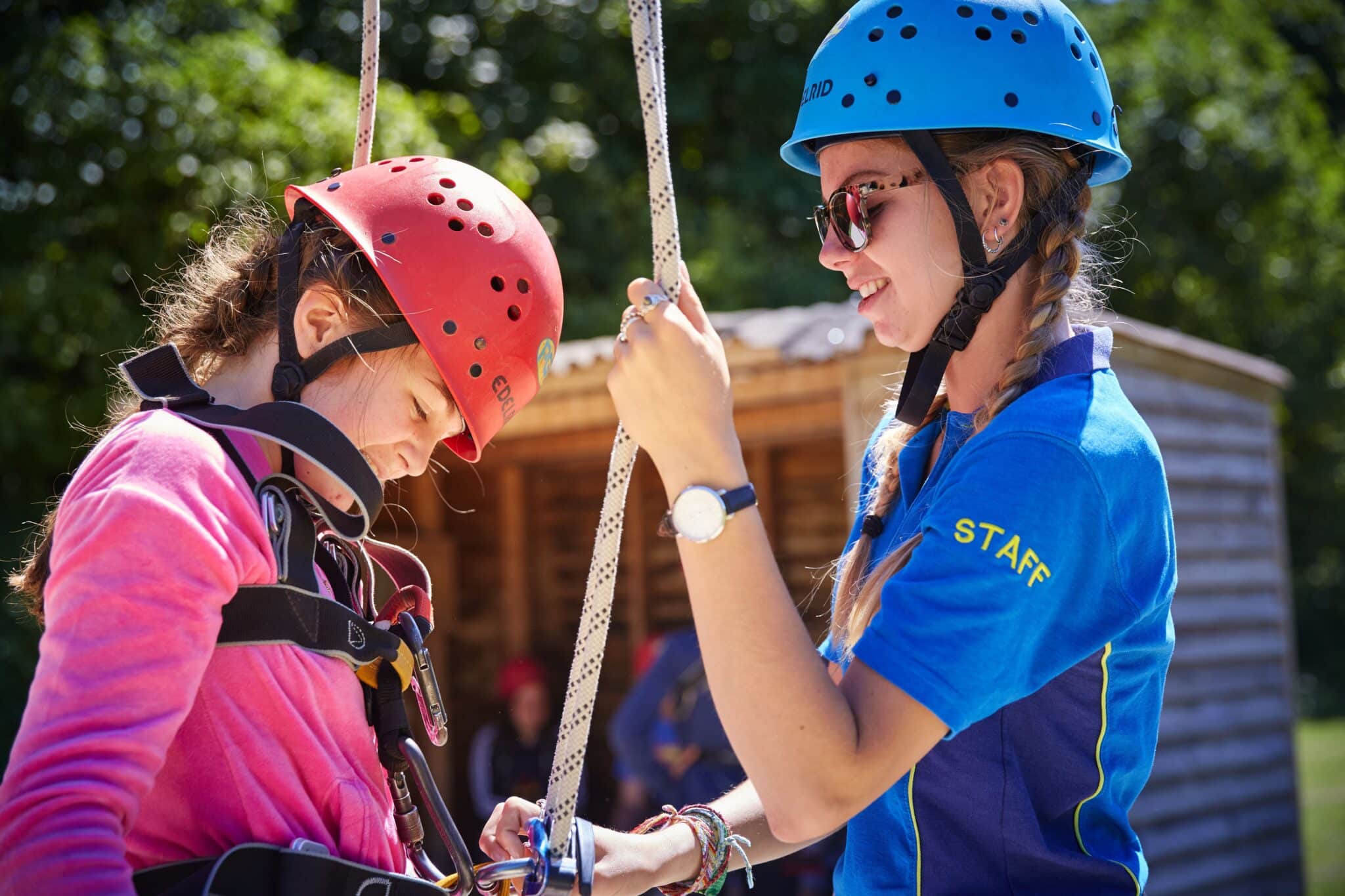
Outdoor school trips are far more than just a break from the classroom, they’re a powerful extension of learning that helps students grow academically, socially and emotionally. By stepping outside the four walls of school, young people are given the chance to explore new environments, take on real-world challenges, and develop essential life skills in a way that’s active, memorable and meaningful.
Whether they’re navigating woodland trails, working together to overcome an obstacle course, investigating coastal ecosystems or visiting a historical landmark, students are immersed in hands-on experiences that enrich their understanding of the world around them.
These trips can support curriculum goals, foster stronger peer relationships, and inspire greater confidence and independence. From boosting resilience to deepening subject knowledge, the benefits of outdoor learning are wide-reaching and often long-lasting.
Here are just six key ways that outdoor school trips can support the development, wellbeing and learning journey of secondary school students.
What are Outdoor Adventure School Trips?
Outdoor adventure school trips take learning beyond the traditional confines of the classroom and immerse students in exciting and challenging experiences in the natural world.
These aren’t just walks in the park, they’re exhilarating journeys that challenge students physically and mentally, promoting personal growth and a deeper connection with the natural world. In fact, Ofsted has highlighted the importance of outdoor trips for students, stating ‘learning outside the classroom contributed significantly to raising standards and improving pupils’ personal, social and emotional development.’
Picture your students navigating thrilling rope courses, kayaking down a winding river, or exploring the mysteries of a hidden cave. These are the kinds of experiences that ignite a passion for adventure and create memories that last a lifetime.
6 key benefits that outdoor school trips can provide for students
From the thrill of trying something new to the quiet moments of reflection in nature, outdoor school trips offer a rich mix of learning, growth and connection. These experiences go well beyond the academic; they nurture the whole child, supporting their social development, mental wellbeing and personal confidence.
Each trip is a chance to learn through doing, to face challenges head-on, and to discover strengths students may not have realised they had. Whether it’s developing teamwork through group activities, making real-world links to classroom topics, or simply spending time in a new environment, the benefits are far-reaching.
Here are six of the most impactful ways outdoor school trips can support students on their journey, both in school and beyond.
1. Enhanced Learning and Engagement

School trips that are outdoors can bring learning to life in a way that textbooks and lessons simply can’t. By experiencing things firsthand, students can develop a deeper understanding of the subjects they are studying and make connections between theory and real-world application.
Imagine a geography trip learning about river formations by actually visiting a river valley, or collecting data from real-life activities, and using mathematics to analyse and interpret that data on a maths trip. These immersive experiences create lasting memories and encourage a love of learning.
2. Development of Social Skills
School trips often involve working in teams, collaborating on challenges, and communicating effectively with peers and instructors. This helps students develop essential social skills such as:
- Teamwork: Learning to cooperate with others to achieve a shared goal.
- Communication: Improving verbal and non-verbal communication skills.
- Problem-solving: Developing creative solutions to challenges they may face.
- Leadership: Taking initiative and guiding others in group activities.
These skills are not only valuable in a student’s academic career but will also set them up for success in their future personal and professional life.
3. Improved Physical Health and Wellbeing

Spending time outdoors has numerous physical and mental health benefits. Outdoor school trips encourage physical activity, whether it’s abseiling, archery, climbing or participating in team or club sports. This can help improve overall mental and physical wellbeing, fitness levels and coordination.
As well as this, being in nature has been shown to reduce stress, improve mood, and enhance concentration. This can be particularly beneficial for students who may struggle with anxiety or attention difficulties in a traditional classroom environment.
4. Increased Confidence and Resilience
Outdoor adventure school trips often involve challenges that push students outside of their comfort zones. Overcoming these challenges, whether it’s climbing a rock wall or building a raft, can boost their self-confidence and resilience.
They learn to persevere through difficulties, develop a sense of accomplishment, and discover their own capabilities. These experiences can be transformative, empowering students to face future challenges with greater confidence.
5. Greater Appreciation for the Natural World
Outdoor trips for school students provide an opportunity for students to connect with nature and develop an appreciation for the environment. Whether it’s exploring a forest, studying marine or coastal areas or just learning about sustainable practices, these experiences can encourage a sense of responsibility towards the planet and nature.
This connection to nature can have a lasting impact, encouraging students to make environmentally conscious choices and become advocates for conservation in their own communities, as outlined in our Better Beyond Adventure pillars.
6. Building Stronger Relationships
School trips offer a fantastic opportunity for students to build stronger bonds and relationships with their peers and teachers. Away from the structured classroom environment, they can interact in new ways, developing deeper connections and understanding.
Sharing new experiences, overcoming challenges together, and simply enjoying each other’s company outside of school can create lasting bonds and a stronger sense of community. This can lead to improved classroom dynamics and a more positive learning environment for everyone.
How outdoor learning links back to the curriculum
Outdoor school trips don’t just offer excitement; they provide meaningful, curriculum-aligned learning opportunities that reinforce and extend classroom teaching. By giving students the chance to experience topics first-hand, these trips bring subjects to life and help embed learning memorably and practically.
Outdoor adventures naturally support multiple areas of the National Curriculum across Key Stages 2 and 3, offering rich cross-curricular links and promoting skills that extend far beyond the classroom.
Here’s how:
Geography and Science
Students can explore physical geography topics like river systems, erosion, and coastal processes by visiting real-life landscapes. In a forest or wetland environment, they might investigate ecosystems, biodiversity, and food chains, reinforcing biology content in a practical setting. Activities like pond-dipping or soil sampling offer opportunities for scientific enquiry, data collection, classification, and observation.
These experiences deepen understanding of key curriculum areas such as:
- Living things and their habitats (KS2 Science)
- Physical geography: rivers, mountains, coasts (KS2–KS3 Geography)
- Human impact and sustainability (KS3 Geography and Science)
Maths
Maths becomes far more engaging when students apply it to real-world problems. During an outdoor trip, they might:
- Measure distances and elevations during orienteering
- Calculate angles and forces in climbing or abseiling activities
- Collect and analyse data from environmental surveys or team challenges
This helps students practise and apply skills like measurement, data handling, ratio, and estimation, all aligned with KS2 and KS3 Maths objectives.
English and Communication Skills
Trips provide excellent opportunities for students to develop their speaking, listening and descriptive writing skills. They may keep a trip journal, present findings from a group activity, or reflect on their personal experiences, activities that help build vocabulary, narrative structure, and confidence in communication.
Outdoor learning supports:
- Spoken language objectives (KS2 English)
- Planning and writing for different audiences (KS2–KS3 English)
PSHE
Teamwork, leadership, empathy and resilience are all essential parts of outdoor learning. Through group challenges, students learn to respect others’ viewpoints, take responsibility, and manage emotions, key aspects of personal development outlined in the PSHE curriculum.
It also supports areas such as:
- Developing self-awareness and confidence – Taking on the giant swing or completing a climbing wall helps students face their fears and push their own limits, often surprising themselves with what they can achieve.
- Building positive relationships – Activities like canoeing or problem-solving courses encourage pupils to listen to each other, support one another, and celebrate shared successes, building friendships and trust in the process.
- Understanding roles, rights and responsibilities in groups and communities – During survivor sessions or raft building, students take on different roles, learn to negotiate, and work towards a common goal, all while thinking about fairness, inclusion and teamwork.
These experiences align with Ofsted’s focus on character development, student wellbeing, and life skills.
Planning an outdoor school trip
Outdoor school trips can be one of the most memorable parts of the year for your students, and one of the most valuable too. With the right planning, they can support learning across the curriculum while helping students build confidence, resilience, and independence. Whether it’s your first time organising a trip or you’re looking to take a different approach, here are some tips to help make the planning process smoother and more impactful.
Start early to stay ahead
Where possible, aim to start planning your trip 6 to 12 months in advance. This gives you plenty of time to secure your preferred dates, complete risk assessments, arrange travel and accommodation, and get everything approved by your school or trust. The earlier you book, the better your choice of providers and prices will be, especially if you’re planning for peak times like the summer term.
Think about learning outcomes
A successful trip should complement what you’re already teaching. Take a look at your curriculum planner and identify where an outdoor experience could bring a topic to life. Some activity centres offer programmes that link directly to subjects like science or geography, while others focus more on soft skills like teamwork and resilience. Either way, being clear on what you want students to gain from the trip helps you choose the right experience and get buy-in from parents and leadership teams.
Choose a provider that supports schools
Not all outdoor providers are created equal, so it’s worth doing your research. Look for centres that are experienced in working with schools, and that offer support with planning, paperwork, and risk assessments. It’s also a good idea to check for accreditations, clear safety policies, and staff who are trained to work with children of different ages and needs.
Involve your students
Where appropriate, bring students into the planning process. This could be as simple as getting their input on the kinds of activities they’d enjoy, or asking a few students to help create kit lists or presentation materials for parents. Giving them some ownership helps build excitement and can also ease any nerves for those who are feeling unsure.
Be inclusive from the start
Make sure your trip is accessible for every student in your class. Ask providers about how they accommodate different physical abilities, medical needs, and dietary requirements. Think about funding support too – are there bursaries available? Can your school or PTA help subsidise costs for families who might struggle? Does the centre offer any funding, such as PGLs breakthrough fund? The goal is to make the trip feel welcoming and doable for everyone.
Keep parents in the loop
Strong communication with parents can make a big difference. Start with a clear letter or presentation outlining the purpose of the trip, what it involves, how much it costs, and what students will need. Make space for questions and concerns, and be ready to reassure parents who might be nervous about their child being away from home. A Q&A sheet or parents’ evening can be really helpful here.
Allow time for reflection
The learning doesn’t stop once the trip is over. Encourage students to reflect on what they’ve achieved, whether through writing, drawing, discussion, or group presentations. Not only does this consolidate learning, but it also helps students recognise their own growth and progress. It’s a great way to celebrate what they’ve done and bring that energy back into the classroom.
With a little extra planning, an outdoor school trip can be so much more than a day out, it can become a powerful part of your students’ learning journey and one they’ll remember for years to come.
Outdoor School Trips with PGL
If you’re looking to give your students all the benefits of outdoor learning with added purpose, our THRIVE! programme is the perfect choice. THRIVE! blends exciting adventure activities with mindfulness and reflection, helping students build confidence, resilience and a deeper connection to the world around them.
Our dedicated programme supports personal development through hands-on challenges and guided discussions. It’s ideal for boosting wellbeing, strengthening peer relationships and supporting wider curriculum goals.
To find out more about how THRIVE! can benefit your students, get in touch with us today and start planning an unforgettable experience!