

For scouts, guides and cubs, going abroad is so much more than just a trip. It’s a chance to experience independence, learn new skills and strengthen friendships. But for leaders and parents, there’s another bonus: these adventures can also help young people tick off their badge requirements!
From the international badge for scouts to the girlguiding international badge, overseas experiences give young people a chance to learn about different cultures, push themselves in adventurous activities and show teamwork in a whole new setting. In this guide, we’ll explore the different ways groups can earn badges abroad, and how a trip like this makes it both memorable and achievable.
Working towards badges through overseas experiences
Badge work is at the heart of both scouting and girlguiding, giving young people goals to aim for and recognition for what they’ve achieved. An overseas trip can bring those goals to life in a way that feels exciting and out of the ordinary.
The international badge Scouts can work towards, and the Girlguiding international badge, are obvious links, but the opportunities don’t stop there. Outdoor skills, teamwork, adventure challenges and leadership badges can all be earned or progressed during an international trip. With the right setting, the whole adventure doubles up as a way to inspire and reward personal growth.
7 ways uniformed groups can earn badges abroad
Are your young people ready for an adventure? From exploring bustling French markets to paddling through dramatic gorges, the experiences young people have abroad give real depth to the requirements behind badges. Leaders can use these opportunities to help their groups achieve a wide variety of awards, all while building memories that will stay with them for years to come.
1. Taking on the international badge
The International Badge is all about connecting with other cultures, and nothing beats experiencing them first-hand. These first-hand encounters make international awareness meaningful and exciting, putting their skills into practice in real-life situations. Abroad, Scouts and Girlguiding members can:
- Visit landmarks and museums — for example, climbing the Eiffel Tower or exploring the Louvre in Paris, or discovering Roman ruins in Nîmes. These trips help them learn about historical events, artistic movements, and architectural styles, giving them a sense of the stories that shaped a place.
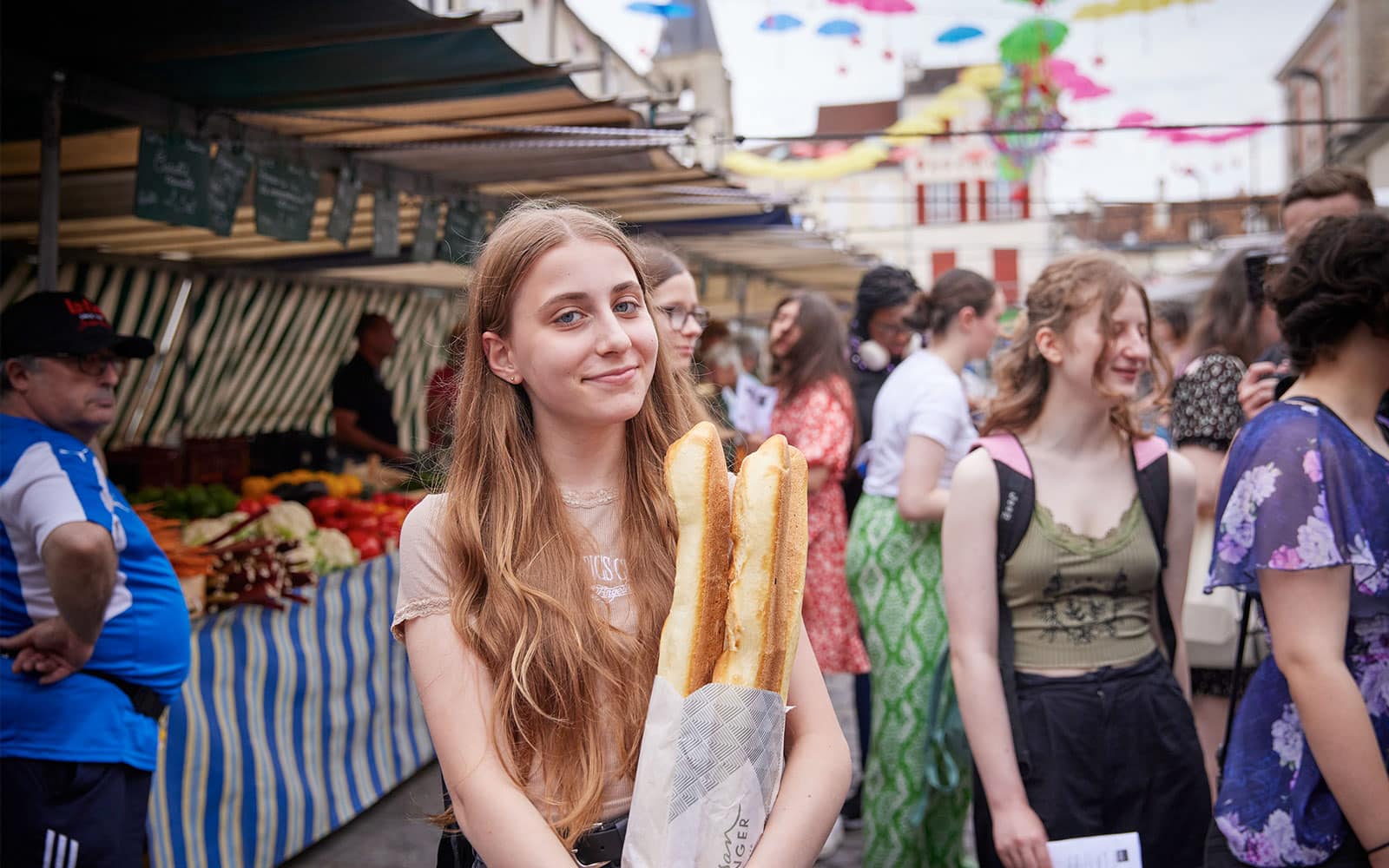
- Explore local markets and try regional foods — wandering through bustling markets in Nice or Lyon, sampling crêpes, fresh baguettes, cheeses, or seasonal fruits. This teaches them about local agriculture, culinary traditions, and the role food plays in daily life.
- Learn about customs and traditions — experiencing French mealtimes, joining in local festivals, or observing etiquette in shops and cafés. They gain insight into how communities celebrate, communicate, and preserve cultural heritage.
- Reflect and share experiences with their unit — through journaling, scrapbooking, creating photo diaries, or giving mini-presentations back home. This helps them connect personal experiences to the badge requirements while building communication skills and confidence.
2. Developing outdoor adventure skills
Adventure-based badges encourage young people to step outside their comfort zones. Overseas trips make this even more memorable:
- Canoeing through the Ardèche Gorge, rafting on French rivers, or climbing limestone cliffs — these activities develop teamwork, problem-solving, and resilience, as young people have to communicate, make quick decisions, and support each other in unfamiliar environments.
- Taking part in an overnight camp under the stars after a day of hiking — camping teaches independence, planning, and responsibility, from setting up tents to looking after personal gear, while also building confidence in being self-sufficient in the outdoors.
- Practising outdoor skills such as fire lighting, cooking on camp stoves, or navigating a brand-new landscape — these tasks teach practical life skills, resourcefulness, and situational awareness, helping young people feel capable and confident when faced with challenges.
The unfamiliar setting and activities add an extra sense of challenge, making the skills feel fresh, exciting, and well-earned.
3. Building teamwork and leadership
Teamwork and leadership badges focus on collaboration, problem-solving and responsibility. Abroad, these skills grow naturally as groups face new challenges together:
- Building and testing rafts before launching them onto a lake — units can learn planning, problem-solving, and creative thinking, while also practising delegation and supporting each other to make sure the raft is safe and seaworthy.
- Navigating routes through forests, rivers, or mountainous trails in teams — this teaches communication, trust, and strategic thinking, as each member contributes to decision-making, map reading, and keeping the group on track.
- Working together on initiative tasks where communication is key — whether it’s obstacle courses, team games, or problem-solving challenges, participants learn patience, compromise, and how to motivate and encourage peers effectively.
Taking on these activities in a new environment adds pressure and excitement, helping young people grow into natural leaders while supporting their peers.
4. Cultural discovery and global awareness
Many badges encourage awareness of the wider world, and travelling abroad makes this simple. Opportunities include:
- Visiting historical or cultural landmarks such as the Arc de Triomphe, young people can learn about significant events, local history, architecture, and how past societies shaped modern life, giving context to the stories they learn at school.
- Exploring French towns and villages, bartering or shopping at markets, and practising language skills with stallholders — this teaches practical communication, cultural etiquette, and an appreciation for local economies and traditions. They also gain confidence interacting in a different language and environment.
- Meeting local people and taking part in exchange activities — for example, joining a local Scout or Girlguiding group for a day in the country you’re visiting, participating in a community project, or simply sharing games, crafts, or meals. These experiences help them understand daily life in another country, broaden their perspectives, and build empathy.
Reflecting on these experiences helps young people connect them to badge requirements around global awareness and international citizenship.
5. Expedition and camping skills
Expedition and survival-related badges often involve careful planning, preparation, and carrying out a journey. Overseas, this could mean:
- Joining a multi-day canoe expedition through the Ardèche, combining physical challenge with teamwork whilst navigating rapids, setting up camp and supporting each other.
- Hiking and camping in new landscapes, from river valleys to wooded hillsides.
- Cooking outdoors, carrying equipment, and managing resources as a group.
These experiences develop independence and resilience while ticking off badge requirements in a way that feels adventurous and unforgettable.
6. Language learning and communication
Even simple language skills feel empowering when put into practice abroad. On an international trip, young people can:
- Order a snack in a café, or buy souvenirs using simple French phrases.
- Read maps, signs and timetables in another language.
- Take part in bilingual team activities such as learning how activities are conducted in both languages, or how to spark up a conversation, where they pick up new vocabulary naturally.
This links directly to the Girlguiding International Badge and strengthens communication skills that apply across both Scouting and Guiding.
7. Building confidence and independence
Some badges focus on personal growth, and travel abroad provides countless opportunities to build confidence. Young people might:
- Conquer fears by throwing themselves into a new culture.
- Adapt to new routines, foods or even climates.
- Take responsibility for their belongings, money, and travel documents.
- Learn how to cope with being away from home.
These challenges nurture resilience and independence, showing Scouts and Girlguiding units just how much they’ve grown — something that badges help celebrate and recognise.
Why earning badges abroad benefits uniformed groups
Badges can, of course, be earned at home, but completing them abroad gives the experience an added sense of adventure, challenge, and pride. The change of environment, whether it’s a mountain range, a river gorge, or a historic city, pushes young people to adapt, think differently, and step outside their usual comfort zones.
When Scouts, Cubs or Girlguiding members work towards a badge in another country, they’re not just ticking off requirements. They’re:
- Building resilience – learning how to cope with unfamiliar food, different climates, or new routines.
- Growing independence – managing belongings, money, or travel documents in a way they might not need to at home.
- Connecting with culture – visiting museums, local markets, and landmarks that deepen their understanding of the world.
- Strengthening teamwork – working together in completely new scenarios, from navigating busy city streets to setting up camp in a different landscape.
For leaders, there’s also the added benefit of seeing young people shine in ways they might not expect. Someone who’s quiet at weekly meetings may step up to lead a group through a foreign town, or the one who struggles with confidence might show courage by trying a new activity abroad.
The end result is that young people return not only with their badges, but with stories, memories, and a sense of achievement that goes far beyond what’s written in the badge requirements. For many, it’s an experience that shapes their confidence for years to come.
Take on a group’s overseas adventure with PGL!
While leaders can plan international badge work independently, we know it can feel daunting. That’s why our centres in France and beyond are designed with uniform groups in mind, making the whole process smoother and less stressful.
When you travel with us, you’ll have:
- Safe, fully equipped activity bases with everything on site.
- Organised cultural excursions that link naturally to badge work.
- Support from experienced instructors and staff who understand the needs of uniformed groups.
- A balance of adventure, culture, and group bonding, all in one trip.
From our Ardèche Adventure canoe expedition to our all-inclusive French Package with cultural trips and activities, we provide the perfect backdrop for your young people to earn badges abroad while creating memories they’ll never forget.
Ready to book your overseas adventure? Enquire today to book your place for 2026 or 2027!