

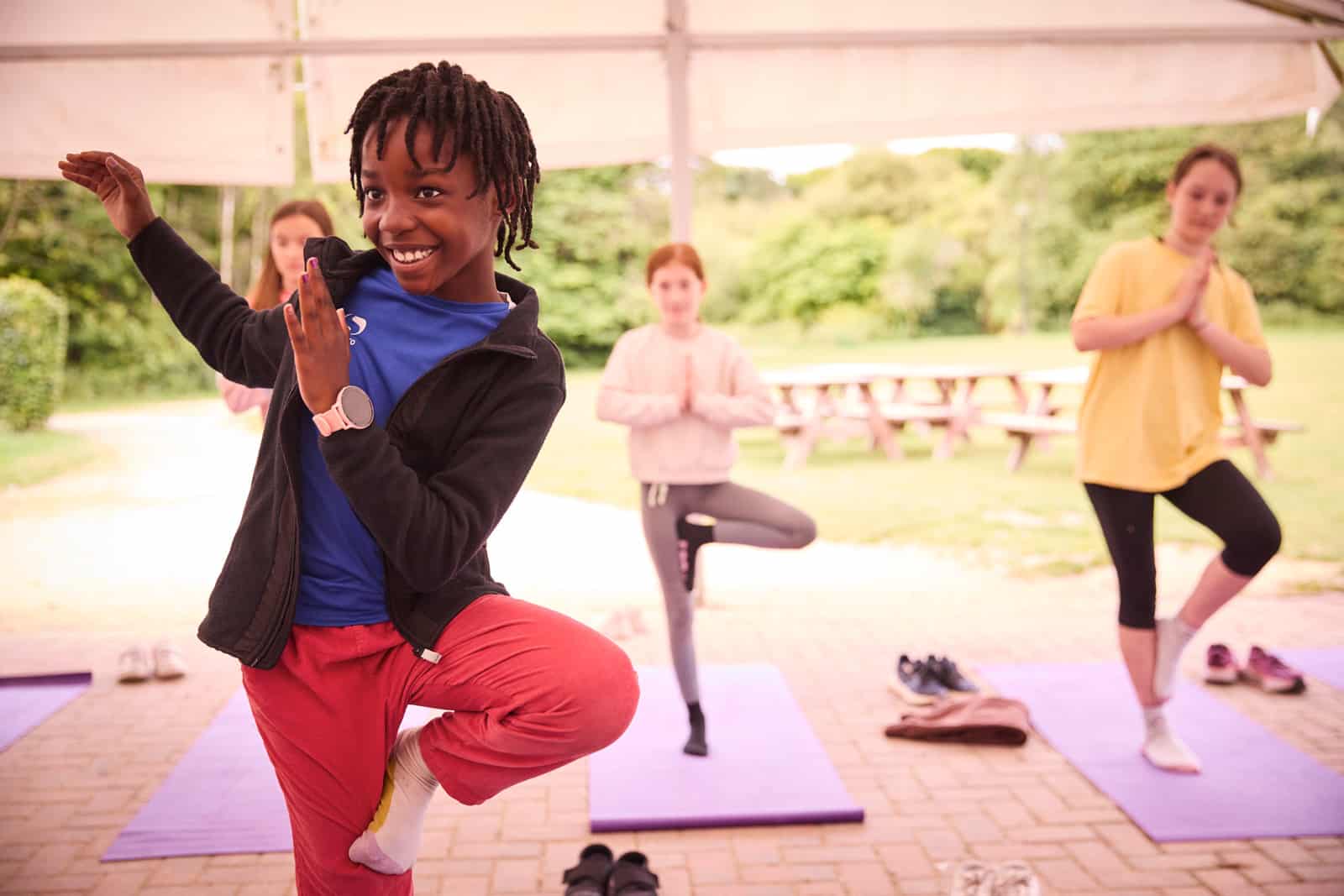
Every parent wants their child to feel confident, happy, and capable. Self-esteem plays a huge part in this – it shapes how children see themselves, how they respond to challenges, and how they connect with the world around them. A child with healthy self-esteem is more likely to recover from setbacks, try new things, and have confidence in their own abilities.
Yet, building confidence isn’t always straightforward. Many parents worry about saying the right thing, offering encouragement in the right way, or striking the balance between supporting their child and letting them be independent. If you’ve ever found yourself wondering how to boost self-esteem or how to build confidence in kids, you’re not alone.
This guide explores why self-esteem matters so much and shares eight practical, everyday ways to support your child’s confidence. We’ll look at what you can do at home, how school and group activities play a role, and how residential experiences like PGL’s THRIVE! programme gives children powerful opportunities to grow their self-belief.
Why Self-Esteem Matters for Children
 Before diving into practical tips, it helps to understand why self-esteem is so important. Children with a strong sense of self-worth tend to handle challenges better, develop positive social relationships, and engage more confidently with learning opportunities.
In contrast, low self-esteem can make children hesitant to try new things, anxious about making mistakes, and more vulnerable to difficulties in friendships or schoolwork.
Research consistently shows that children who feel supported and valued are more resilient and better equipped to navigate life’s ups and downs. According to studies conducted by Learning Matters, children with healthy self-esteem are more likely to succeed academically, manage stress effectively, and enjoy fulfilling relationships.
Learning how to build self-esteem in children isn’t about quick fixes; it’s about giving them steady reassurance, encouragement, and opportunities to believe in themselves. Whether that happens at home, in school, or through structured programmes like THRIVE!, the impact can last a lifetime.
8 Ways to Boost Your Child’s Self-Esteem
Building a child’s confidence is an ongoing process. It isn’t about one-off moments of praise or big achievements, but about the steady support and encouragement children receive day after day. Both parents and teachers play a huge role here. At home, it’s the little things that matter, like how we listen, how we encourage, and the opportunities we create. At school, children gain confidence through friendships, challenges, and teamwork.
The good news is that there are practical strategies you can start using straight away. The following tips are designed to fit naturally into everyday life, helping children feel valued, capable, and empowered.
Building confidence at home
- Offer genuine praise and positive feedback
Children thrive on recognition, but only when it feels authentic. Instead of saying “Good job!” for everything, focus on effort and progress. For example:
- “I can see how much thought you put into that drawing.”
- “You didn’t give up, even when it got tricky.”
This helps your child connect praise with their actions, rather than the outcome, and encourages persistence rather than perfection.
Tip for parents: Try to balance praise with encouragement. If your child doesn’t succeed at something, you might say, “I’m proud of you for giving it a go – what do you think you could try differently next time?”
- Encourage independence and decision making
Even small choices can help a child feel capable. Letting them choose their own clothes, pack their school bag, or help plan a family meal shows that their opinions matter.
These moments build self-trust and a sense of ownership over their lives, which translates into confidence in bigger decisions as they grow.
Handy example: If your child is reluctant to make decisions, give them two simple options (“Would you like to read before bed or draw for ten minutes?”). Having a voice in the decision-making helps them feel empowered.
- Create opportunities for success
Children need to experience success to feel confident. Small, achievable tasks are stepping stones to bigger challenges. Whether it’s watering the plants, finishing a puzzle, or learning to tie their shoelaces, these wins give a sense of pride and competence.
For older children, this could mean learning a new skill (like baking a recipe or fixing something at home).
Tip for parents: Break tasks into manageable steps. Instead of asking your child to “clean your room,” suggest starting with just the books or the bed. Achieving one step creates momentum for the next.
- Model confidence and positive self-talk
Children pick up on how we talk about ourselves. If they hear adults constantly saying, “I’m useless at this” or “I can’t do it,” they’ll start echoing those patterns.
Instead, model resilience. Say things like:
- “That was tricky, but I’ll try again.”
- “I made a mistake, but mistakes help us learn.”
This normalises setbacks as part of life and shows that confidence is about trying, not always getting it right.
Tip for parents: Let your child see you attempt something new, whether it’s cooking a recipe for the first time or learning a new hobby, and talk out loud about how you keep going when it gets tough.
Building confidence at school and in groups
- Support friendships and team activities
Friendships and teamwork give children a sense of belonging. Taking part in school clubs, sports, drama, or group projects helps them practise listening, sharing, and celebrating together.
For children who find social situations difficult, start small. Encourage them to invite a friend home after school or pair up with a buddy for a classroom task.
Tip for teachers: Group activities where every child has a clear role (like contributing one idea to a team poster or being “equipment manager” in PE) ensure that quieter pupils feel valued and included.
- Teach problem-solving skills
Resist the urge to jump in and fix every problem for your child. Instead, guide them to find their own solutions. For example, if homework feels overwhelming, ask:
- “What’s the first small step you could take?”
- “Which part feels easiest to start with?”
This builds resilience and shows children they are capable of overcoming challenges with thought and persistence.
Tip for parents and teachers: Use “what if” questions to encourage creative thinking. For example: “What if that doesn’t work? What else could you try?”
- Encourage physical activity and outdoor play
Being active helps boost confidence too. Sports, playground games, and outdoor adventures all help children feel proud of what their bodies can do.
At school, activities like orienteering or nature walks give children the chance to explore, discover, and achieve outside the classroom.
For example: A child who struggles academically may shine in sport, dance, or climbing, success in one area can lift their overall self-esteem.
- Help them set realistic goals
Goal-setting teaches children how effort leads to achievement. At school this could mean learning spellings, practising a musical piece, or completing a project. At home it might be reading every night for a week or saving pocket money for something special.
The key is to make goals small and achievable, and to celebrate progress along the way.
Tip for parents and teachers: Use a progress chart or diary so children can see how far they’ve come. Recognising progress is often more motivating than the final result.
How school trips and residentials support confidence
 Classroom learning and home routines give children a strong foundation, but sometimes they need a new environment to really test themselves. Residential trips provide that opportunity, offering challenges, adventures, and experiences that spark self-belief.
Here are some of the key ways they help build confidence:
- Spending time away from home
For many children, a residential is their first time staying away for several nights. It can feel daunting at first, but with the support of teachers and PGL staff, children learn they can cope without home comforts. This milestone helps them grow in resilience and prepares them for bigger transitions like moving up to secondary school. - Trying adventurous activities
From climbing walls to canoeing, activities encourage children to step out of their comfort zone. Achieving something they thought they couldn’t do gives a huge sense of pride that stays with them long after the trip. - Working as part of a team
Group challenges encourage communication, listening, and problem-solving. Quieter children often find their voice, while natural leaders learn how to encourage others. These shared achievements strengthen friendships and build a sense of belonging. - Becoming more independent
Even the small things, packing their own bag, keeping track of belongings, trying new foods, or making their own bed, give children confidence in their ability to manage on their own. - Building lasting friendships
Living and learning together for a few days creates strong bonds. These connections often continue back at school, helping children feel more supported and included in their peer group.
For many children, a school residential is the first time they spend a few days away from home. That in itself is a milestone. Add to that the excitement of outdoor adventures and the support of their peers, and you have a powerful recipe for growth in confidence and self-belief.
Helping children THRIVE! with confidence at PGL
At PGL, our THRIVE! programme takes this even further. It’s carefully designed to give children structured opportunities to put all these skills into practice – from teamwork and problem-solving to resilience and leadership.
Through outdoor adventures, group challenges, and guided reflection, children get to experience those moments of success that spark lasting self-belief. Parents and teachers often notice that children return from THRIVE! with stronger confidence, closer friendships, and a more positive attitude toward challenges.
Confidence doesn’t grow overnight. It’s built step by step, through support at home, encouragement at school, and opportunities to shine in new environments. With the right balance of guidance and adventure, children can develop the self-belief they need not just for today, but for their future.
To find out more about our health and wellbeing programmes, get in touch with us today!
FAQs to help boost children’s self-esteem
What are the best ways to build confidence in kids?
Offer genuine praise, encourage independence, support friendships, and help children set achievable goals.
How can parents help boost self-esteem in children?
Be a positive role model, create opportunities for success, encourage outdoor play, and guide problem-solving.
What activities improve children’s self-confidence?
Group activities, team challenges, and adventure-based programmes like THRIVE! are particularly effective for building self-belief