

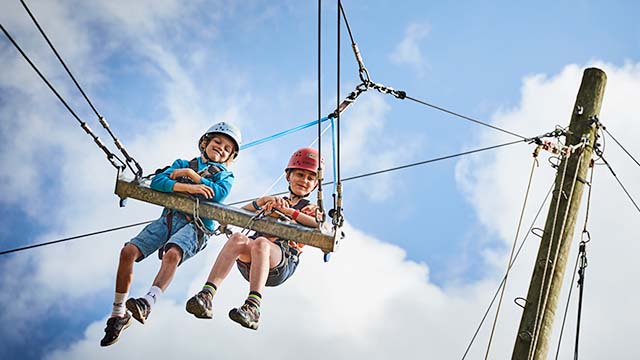
For many children, that first school residential trip away from home is one of the biggest milestones of primary school. It’s the moment they pack their own bag, wave goodbye, and spend a night or two without the comfort of home. For parents and teachers, it’s often just as emotional, a mixture of pride, excitement, and a few nerves.
The reassuring part is that, with the right preparation and support, a child’s first residential can be a hugely positive experience. These trips are a chance to build confidence, resilience, and independence whilst also having fun, in a way the classroom can’t always offer.
In this blog, we’ll look at why first school trips matter so much, the signs that your child might be ready and how you can help them prepare.
Why that first school trip away matters so much
A first residential trip can feel like a huge leap for a child, but it’s also a moment filled with opportunities for growth. Being away from home gives children the chance to try new things, discover how capable they are, and start building qualities that will support them long after the trip is over.
Confidence, resilience, friendship, and independence all come into play in different ways, shaping how they see themselves and how they connect with others:
- Confidence – Trying something new, whether it’s sleeping in a new environment or meeting new people, shows children what they’re capable of. That boost often carries back into the classroom, where they’re more willing to take part and try new things.
- Resilience – Small challenges, like feeling homesick or not doing well in certain activities, are chances to learn how to bounce back. With teachers and activity leaders nearby to encourage them, children realise they can overcome wobbly moments.
- Friendship and teamwork – Sitting around a campfire, working together on a team challenge, or laughing through a silly game brings children closer together. These shared experiences help strengthen friendships and create a real sense of belonging.
- Independence – From choosing their clothes to keeping track of their toothbrush, children practise self-care in a safe environment. These small responsibilities help them feel more grown-up and capable.
All of these experiences add up to something bigger, children come home from their first trip with happy memories and with new skills and a stronger sense of who they are.
Signs your child is ready to spend a night away from home
Knowing whether your child is ready can be tricky, especially as every child develops at their own pace. Some children are eager for adventure, while others need a little more reassurance. Looking out for everyday signs – like how they manage small tasks, enjoy social time, or bounce back from setbacks – can give you a clear picture of whether they’re prepared to spend a night or two away.
Spotting even a few of these signals is a strong indication that they’re nearly there:
- They manage small responsibilities at home – like packing their PE kit, brushing their teeth without reminders, or choosing their own clothes. If they can already remember things like their water bottle or homework, they’re practising the skills they’ll need on a trip.
- They enjoy socialising with friends – children who look forward to after-school clubs, football training, or playdates will usually thrive on the social side of a residential.
- They’ve already had short separations – if they’ve stayed overnight with grandparents, enjoyed a friend’s birthday sleepover, or happily gone to a club without you, it’s a good sign they can handle longer separations.
- They show curiosity about trips – if they ask, “Will we get to toast marshmallows?” or “Do we really sleep in bunk beds?” it shows they’re interested and already imagining the experience.
- They bounce back from small setbacks – if they can handle things like losing a game, forgetting their jumper, or being disappointed without it becoming overwhelming, they’ll be more resilient when facing the ups and downs of a trip.
If your child shows a few of these signs, chances are they’re closer than you think to being ready for their first residential adventure.
Helping your child feel ready before they go
Even when a child shows signs they can cope, it’s natural for them to feel a mixture of excitement and nerves in the lead-up to the trip. Parents can play a big part in helping that balance tilt more towards excitement.
Talking positively, encouraging independence in small ways, and addressing any worries before they grow can all make the experience feel less daunting. A little preparation at home often leads to a much smoother start once they arrive.
Talk positively and early
Start conversations about the trip in an upbeat way. Share stories from your own school residential trips; children love hearing about the time you got muddy on an obstacle course, stayed up whispering with friends, or laughed until your sides hurt at the campfire. Let them ask questions and talk about any nerves, reassuring them that it’s normal to feel a mix of excitement and worry.
Practise independence at home
Little steps at home help build confidence. Let your child take charge of packing their PE kit, choosing an outfit, or helping with simple chores. Before the trip, involve them in packing their own bag so it gives them a sense of control. Even small tasks, like putting on a duvet cover or tying shoelaces, can make them feel more ready.
Talk through “what if” worries
Children often think about “what if” scenarios – what if they feel homesick, or can’t do an activity? Role-play these situations and talk about solutions. For example, if they say, “What if I feel sad at night?” you can remind them they can talk to their teacher, or bring a small comfort like a teddy. If they worry, “What if I can’t climb the wall?” you can talk about trying a smaller section first, or cheering on friends until they feel ready.
Stay in touch with the school
Parents often feel calmer when they have the details, and that calmness is often passed on to their children. Don’t hesitate to ask the school questions about activities, sleeping arrangements, or how they support homesick pupils. For example, it may reassure your child to hear that teachers will do a bedtime check-in or that group leaders stay nearby overnight.
Keeping their confidence high while they’re away
During the trip, children are surrounded by teachers, friends, and activity leaders who know how to support them. A few extra steps from schools and parents can help boost that confidence even further.
Teachers can create space for pupils to reflect on what they’ve achieved, while parents can prepare their children for how communication will work. These small touches help children notice their progress and feel proud of what they’re managing on their own.
- For schools – Building in moments of reflection helps children process the experience positively. Asking pupils to share their favourite part of the day often brings out answers like, “I finally got across the ropes!” or “I made a new friend at lunch.” This helps them notice their own progress.
- For parents – Prepare your child in advance for how communication will work. If your school encourages letters or postcards, you might receive a note saying, “I went on the zip wire today!” or simply, “Having fun, miss you.” If the school discourages direct contact, remind your child before they leave that you’ll be thinking of them and can’t wait to hear all their stories.
Bringing the adventure home afterwards
The end of the trip is really the start of something new. Talking about the experience once children return helps them process what happened and recognise just how much they’ve achieved. By asking open-ended questions, you give them the chance to share their proudest moments, reflect on the challenges they overcame, and think about what they’d like to try again. These conversations help the benefits of the trip last long after the bags are unpacked.
 What was your favourite moment?
They might tell you about reaching the top of the climbing wall, singing songs around the campfire, or simply sharing a room with friends for the first time.
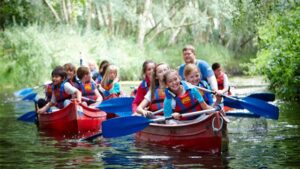
Was there something you found tricky but managed to do anyway?
Children might say they felt nervous before trying canoeing but gave it a go, or that they were a bit homesick at bedtime but managed to settle with their friends’ support.
 What’s something new you’d like to try again?
This could be anything from wanting another go at archery, to asking if they can camp out in the garden at home, to saying they’d love another chance to lead their team in an activity.
Celebrating achievements, big or small, reinforces their sense of confidence. Whether it’s discovering new activities they love, making a new friend, or simply remembering to pack their toothbrush, these little wins all build towards greater resilience and independence.
Easing them into time away from home
Some children need smaller steps before they feel ready for a full residential, and that’s perfectly normal. Building up gradually with sleepovers, day trips, or weekend stays with relatives helps them get used to new routines and environments at their own pace.
Purpose-built residentials for younger children can also provide the right balance of fun and reassurance, giving them the confidence to take on bigger adventures in the future.
- Sleepovers with friends or family – a night at a grandparent’s house or a sleepover with a close friend is a simple first step. If they come home saying, “I didn’t even miss you!” that’s a great sign.
- Day trips without parents – whether it’s a school excursion, a club activity, or a friend’s birthday outing, spending the day away gives them a taste of independence. Many children come back buzzing with stories about what they did without mum or dad there.
- Weekend stays with relatives – a slightly longer stretch, like a weekend at an aunt or uncle’s, helps them adjust to different routines and sleeping in a new place. Taking familiar objects from their home can also help, maybe their favourite teddy or the pillow they sleep on.
- Residential trips designed for first-timers – programmes like PGL’s PIONEER! are created specifically for younger children. They might come home proudly saying, “I made my own bed!” or “I went on the zip wire!”, proof that these supportive environments give them just the right level of challenge.
Step by step, children learn that being away from home is not only manageable but exciting. Each positive experience builds their confidence for the next, until a school residential trip feels like a natural and exciting milestone.
The perfect first step – PGL’s PIONEER! programme
If you’re wondering what the ideal first school trip might look like, PGL’s PIONEER! programme is designed exactly for that moment. Created for Years 3 and 4, it provides younger pupils with the opportunity to experience the excitement of a residential trip in a setting that feels safe, structured, and age-appropriate.
Theactivities are specifically chosen to balance fun with just the right level of challenge. Children might try micro-scooters, mini fencing, or eco exploring. And for those ready for a bigger adventure, there are options like zip wire, low ropes, and Giant Standup Paddleboarding.
Each activity has been specifically adapted for first-time adventures, with added extras such as earlier bedtime and longer mealtimes to ease them into each adventure, and giving them enough time to reset and recharge.
The whole programme is built to nurture independence, teamwork, resilience, and confidence, the same qualities that make a first trip so valuable. With expert leaders guiding every step and teachers free to focus on their pupils, children can enjoy a positive first taste of adventure away from home.
For many schools, PIONEER! has become the natural starting point for residential trips. With its safe and exciting environment, it’s the perfect opportunity for pupils to take that first leap into independence and return home brimming with pride!
If you’re ready to take your class on their first residential adventure, get in touch with us today to find out more and book your trip!