

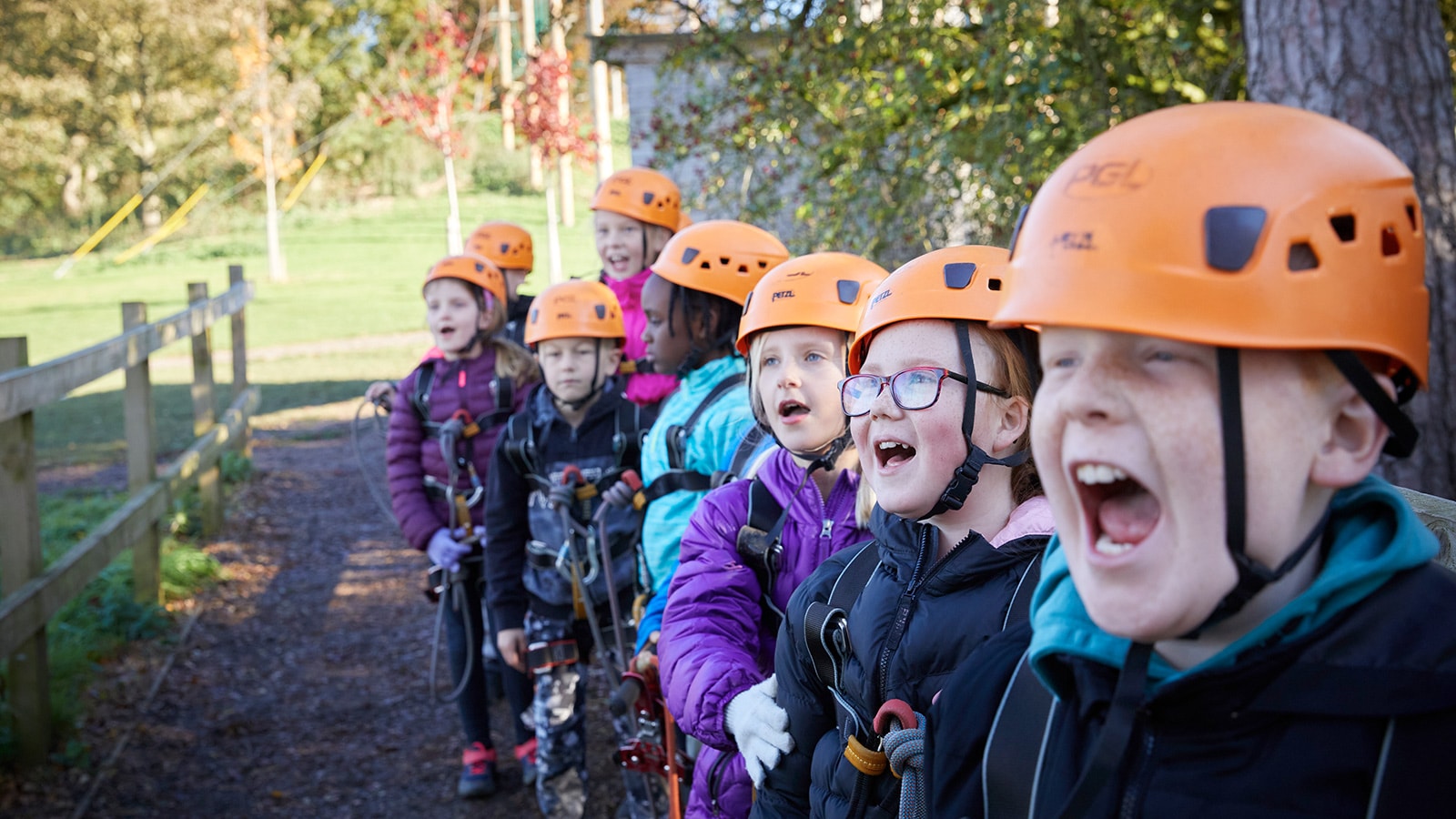
It’s entirely natural for children to feel nervous, or even downright anxious, when it comes to going on their first trip away from home. Whether it’s a school residential trip, weekend adventure or a camp with friends, this milestone can stir up a lot of worries and emotions.
As a parent or caregiver, you may be feeling anxious yourself, wondering how your child will cope without you. The good news is that there are lots of gentle, effective ways to help your little ones feel more prepared and confident before they set off.
Let’s run through why children may feel anxious, how to spot the signs and practical ways you can help to ease their worries, so their first trip becomes an experience they remember for the right reasons.
Why do children feel anxious about school trips?
Even the most adventurous child can feel unsettled about being away from home, but children with anxiety find situations out of the norm very difficult. In fact, 1 in 6 children ages 5-16 suffer from a mental health problem, including anxiety, according to Mind.
They could be worrying and questioning some extremely valid, common reasons, which include:
- Fear of the unknown: Children often like predictability and routine. Not knowing exactly what to expect, such as the layout of the accommodation, the activity schedule, or who they’ll be grouped with, can make the whole experience feel overwhelming. For some, this uncertainty can spiral into anxious thoughts about everything that might go wrong.
- Worry about sleeping away from home: The idea of spending the night in an unfamiliar place can feel unsettling. Children might worry about being without their usual bedtime comforts, like a specific teddy, night light, or even the way their parent tucks them in. The fear of not being able to fall asleep, or feeling homesick during the night, can weigh heavily on their minds in the lead-up to the trip.
- Separation anxiety: For many children, the biggest challenge is simply being away from their parents or carers. Even if they’re excited about the activities, the idea of not having their trusted adult nearby can create a deep sense of unease. This can be especially true for younger children or those who have never stayed away from home before.
- Concerns about fitting in: Social worries are incredibly common. Children may wonder if they’ll have someone to sit with on the coach, share a room with, or pair up with for activities. If friendships are already a bit tricky at school, these concerns can feel magnified by the idea of being in a group setting 24/7.
It’s important to reassure and offer support that feeling nervous doesn’t mean they’re not ready; it just means they care about feeling safe and secure. Let’s take a look at some key signs your child may be feeling anxious
How to spot signs of anxiety in children before their school trip
Anxiety doesn’t always look the way we expect it to. Sometimes, children can’t quite put their feelings into words, especially if they’re experiencing certain emotions for the first time. Instead of saying, “I’m anxious about going away,” their worries might come out through their behaviour, physical complaints, or changes in mood.
This can make it difficult to know what’s really going on beneath the surface. But as a parent or carer, you know your child best, so you might start to spot small shifts in their usual patterns that hint something’s troubling them.
Here are some signs to look out for:
- Becoming clingy or reluctant to leave your side
- Trouble sleeping or having nightmares
- Complaints of tummy aches or headaches
- Irritability or sudden mood swings
- Avoiding conversations about the trip
If you notice these behaviours, try to gently open up a conversation. A calm, patient approach can make it easier for them to share what’s on their mind.
How to help children with anxiety prepare for their first school trip
A little preparation can go a long way in easing anxiety and building excitement. Children often feel more secure when they know what to expect, and even small steps can make a big difference. In the weeks leading up to the trip, there are lots of ways you can help them feel more comfortable, without overwhelming them.
Here are some supportive, confidence-boosting strategies to try:
Talk early and often about what to expect
The more familiar the experience feels, the less intimidating it becomes. Start conversations about the trip well in advance, not just the day before. This gives your child time to process things slowly and ask questions as they come up.
If you have any information from the school (like an itinerary or photos of the accommodation), look through it together. Visuals can be especially helpful, as they allow your child to picture where they’ll be sleeping, eating, and playing. This can reduce the fear of the unknown and make the environment feel more familiar, even before they arrive.
Encourage your child to ask questions, anything from “What do we do if it rains?” to “Who will be in my room?” Every question answered helps to ease a worry. If you don’t know the answer, let them know you’ll find out together. This builds trust and keeps the lines of communication open.
Validate their feelings
It can be tempting to say “Don’t be silly” or “There’s nothing to worry about,” but this can make children feel dismissed. Instead, try phrases like:
- “It’s okay to feel nervous about something new.”
- “Lots of people feel worried before a trip, and that’s completely normal.”
- “I know this feels big, but you’ll have help and support every step of the way.”
Validating their emotions helps children learn to name and manage their feelings, rather than suppress or ignore them. Over time, this emotional awareness supports resilience and reduces the likelihood of anxiety showing up through negative behaviours like tantrums or withdrawal. Most importantly, it strengthens the trust between you and your child, so they know you’re a safe person to come to when things feel overwhelming.
Share positive stories
Hearing about happy experiences from others can help children reframe their own expectations. If you, a sibling, or a family friend has been on a school trip, talk about it, especially the bits that felt scary at first but turned out well.
You might share how you were nervous about being away from home, but you made a new friend. Or how you didn’t think you’d like the food, but ended up loving something new. These kinds of stories can help your child feel less alone in their worries and more open to the idea that good things can come from stepping outside their comfort zone.
Even stories from books or films can help normalise the idea of adventures and overcoming nerves. The goal is to shift their focus from “What if something goes wrong?” to “What if I have a really great time?”
Practical strategies to reduce anxiety
Once you’ve laid the emotional groundwork, there are some practical steps that can help your child feel more secure and in control. These strategies turn preparation into action, giving them the tools they can use if they start to feel worried.
Whether it’s packing a comforting item, practising overnight stays, or learning simple calming techniques, these small actions can make a big difference in helping your child feel ready and reassured.
Pack comfort items
Encourage them to bring something small that reminds them of home, a favourite cuddly toy, a family photo, or a familiar pillowcase. These items can be especially reassuring at bedtime or during quiet moments. Let your child choose what feels most comforting to them, and talk together about when they might want to use it. Some children find it helpful to have a “worry doll” or even a note from home tucked inside their bag.
Having familiar items on hand doesn’t just ease homesickness; it gives your child a simple way to feel emotionally anchored, even in new surroundings.
Practice sleepovers
Arrange one or two practice sleepovers with grandparents or trusted friends. Experiencing an overnight stay without you, in a safe and familiar environment, can help build confidence and show them they can cope.
Talk about how the sleepover went afterwards, what they enjoyed, anything that felt tricky, and what helped. These small experiences help your child develop coping skills in low-pressure settings, so they’re more prepared for bigger steps like school residentials or camps. You can even pack the same overnight bag or comfort item they’ll take on the real trip, so it feels more familiar.
Create a calm-down toolkit
Help your child pack a few things they can turn to if they start to feel anxious. The goal is to make sure they feel prepared and in control, even when emotions feel overwhelming. Their toolkit might include:
- A small fidget toy or stress ball
- A notebook and pencils for drawing or writing
- A lavender-scented pouch or other calming scent
- A photo of the family or pet
- Headphones and relaxing music or an audiobook
- Simple relaxation techniques written on cards
You can personalise the toolkit together. Ask your child what helps them feel calm, and make sure they know when and how to use it. Just having it nearby can be reassuring, even if they don’t end up using everything inside.
Teach relaxation techniques
Show them how to take slow, deep breaths or count slowly to ten to calm racing thoughts. You could also practice a simple mantra together, like “I am safe, and I can do this.”
Other techniques recommended by organisations like Mind and the NHS include:
- Progressive muscle relaxation – Gently tensing and then relaxing each muscle group, starting from the toes and working up to the head. This helps release physical tension linked to anxiety.
- Guided imagery or visualisation – Encourage them to imagine a peaceful place or calming scene. Describing it aloud together can help shift focus away from anxious thoughts.
- Grounding exercises – Try the 5-4-3-2-1 method: name 5 things they can see, 4 they can touch, 3 they can hear, 2 they can smell, and 1 they can taste. This can bring their attention back to the present.
- Box breathing – Breathe in for 4 seconds, hold for 4, breathe out for 4, and hold again for 4. Repeat for a few rounds to help slow the heart rate and calm the mind.
Practising these techniques regularly, even when they’re not feeling anxious, can help them feel more confident using them when anxiety does arise.
How to help anxious children on the day of their trip
The day of the trip can be full of excitement but also nerves, both for you and your child. It’s important to stay as calm and positive as possible because children are incredibly sensitive to our emotions. They can often pick up on even subtle signs of worry or stress, which might increase their own anxiety without us realising.
- Keep goodbyes brief and positive.
Lengthy, emotional farewells can make separation feel much harder for children, especially those already feeling nervous. Instead of lingering, try to keep the goodbye short, warm, and upbeat. For example, a quick hug and a cheerful “Have a brilliant time! I’ll be thinking of you!” can leave them feeling supported but ready to move forward. Prolonged goodbyes can sometimes make children dwell on their worries or feel unsure about leaving.
- Choose your words wisely
What you say as you part can shape how your child feels. Avoid phrases like, “I’ll miss you so much,” which might unintentionally increase their feelings of separation anxiety. Instead, say something that shifts the focus to the positives ahead, like, “I’m so excited to hear all about your adventures when you get home!” or “Have fun making new friends and trying new things!” These affirmations help children feel that the trip is something to look forward to, rather than something to dread.
- Trust the staff
Remember that teachers and group leaders have lots of experience with children’s worries. They’re trained to support and comfort children when they feel unsettled, whether it’s a little wobble at drop-off or bigger feelings later on. Trusting the staff and reminding your child that there are grown-ups there to help can reassure them that they won’t be alone. This sense of safety can make a huge difference in managing anxiety during the trip.
When to seek extra support for children dealing with anxiety
For some children, feelings of anxiety can become overwhelming and start to affect their daily lives. While it’s natural to feel nervous about certain situations, like staying away from home or starting something new, persistent anxiety that doesn’t improve with reassurance or support may need extra attention.
You might want to seek further help if your child is:
- Having panic attacks, including symptoms like rapid breathing, a racing heart, dizziness, or feeling like they can’t breathe
- Showing intense or ongoing distress about being away from you or home
- Avoiding school, activities, or social events due to worry or fear
- Struggling with sleep, appetite, or concentration on a regular basis
- Talking about fears or worries that feel excessive or hard to manage
If you’re concerned, it’s a good idea to talk to:
- Their class teacher or the school’s SENCO (Special Educational Needs Coordinator) – They can offer support at school, suggest strategies, and may be able to refer your child for further help.
- Your GP – They can rule out any underlying physical causes and, if needed, refer your child to local mental health services.
- A child mental health professional – This could be through NHS Child and Adolescent Mental Health Services (CAMHS) or a private therapist who specialises in working with children.
Seeking support early can make a big difference. It helps your child feel understood, gives them strategies to manage how they feel, and reassures them (and you) that they’re not alone.
Helpful resources for parents and teachers
If you’d like more information about supporting anxious children, these resources are a good place to start:
- NHS – Anxiety in Children
- YoungMinds – Supporting Your Child
- Child Mind Institute – Separation Anxiety
And if you haven’t already, you might find our guide helpful:
Preparing for Your Child’s First School Trip Away From Home
Help your child take that first big step with PIONEER!
Feeling anxious about a first trip away from home is more common than you might think, and it doesn’t mean your child isn’t ready. With plenty of preparation, reassurance, and a few simple strategies, you can help them step into this new adventure with confidence.
Remember, this experience can also be a wonderful opportunity for your child to build resilience, learn independence, and discover just how capable they really are.
If you’re looking for a supportive, confidence-building experience to help your child thrive away from home, take a look at PGL’s PIONEER programme.
Designed specifically for children preparing for their first residential trip, PIONEER focuses on developing independence, building resilience and easing separation anxiety in a fun, nurturing environment. With experienced staff, engaging activities, and a strong focus on emotional support, it’s the perfect introduction to life beyond the classroom and beyond home.
Whether your school is planning a first-time residential or you’re a teacher looking to support anxious pupils, PIONEER gives children the tools they need to succeed.