

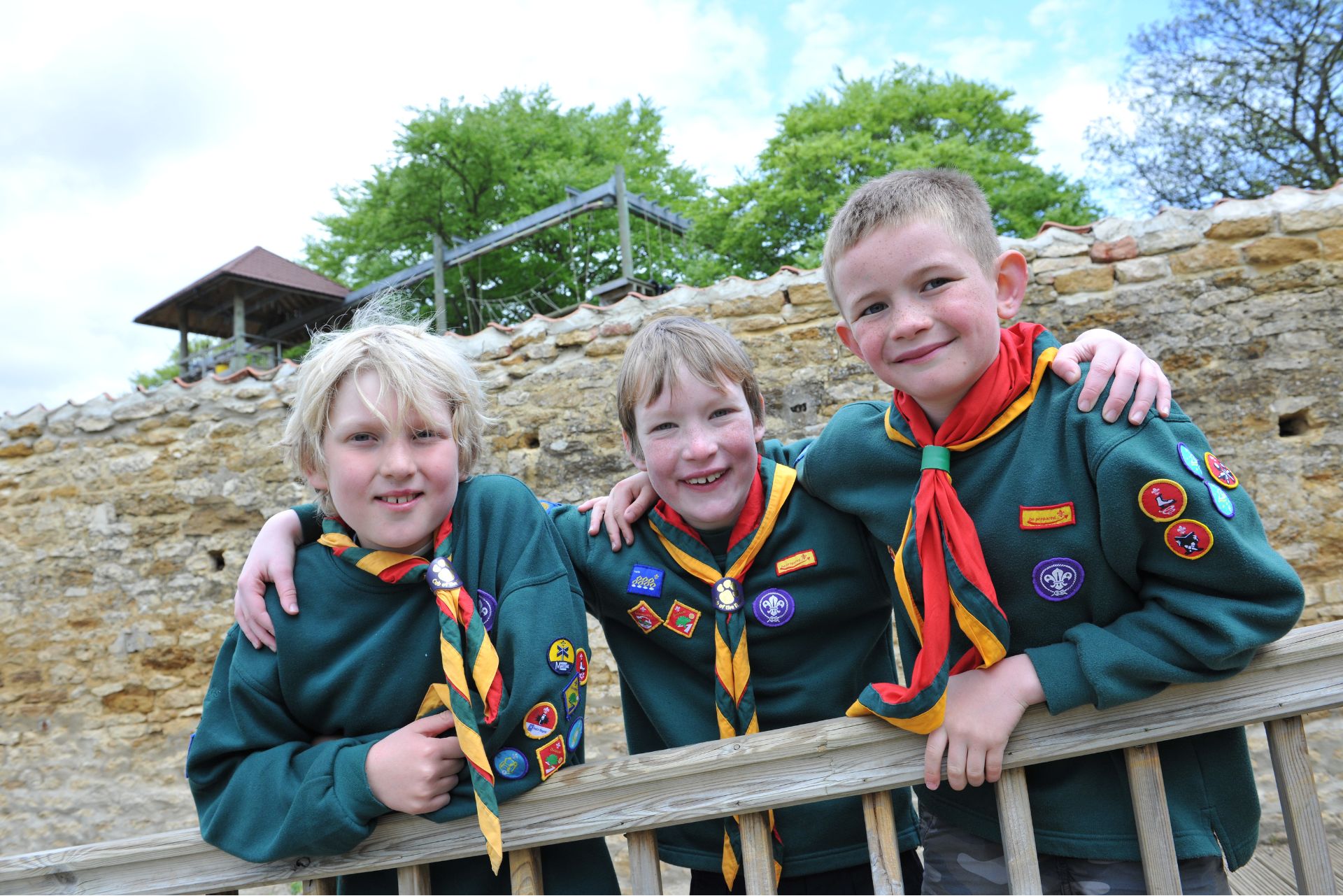
A first residential can feel like a huge step in a young person’s Scouting journey. For many, it’s the first time they’ve spent several days away from home, tried new activities, and worked together as a team in an unfamiliar setting. With a bit of thoughtful preparation, these trips can spark real confidence, strengthen friendships, and give Scouts a sense of independence they’ll remember for years.
This guide is here to help leaders make that first adventure feel exciting, reassuring, and well-supported from start to finish.
What Scouts can expect from their residential trips
Residentials offer a chance to step outside familiar routines, try challenges they wouldn’t normally encounter, and spend time living alongside their patrol.
For leaders, it’s also a rewarding moment to see young people apply the teamwork, independence, and resilience they’ve been nurturing week after week.
During residential trips for Scouts, your group can look forward to opportunities to:
- Try new experiences – Activities like climbing, abseiling or canoeing give Scouts the chance to push themselves out of their comfort zones safely. Many discover strengths they didn’t realise they had, whether that’s leading a team across the low ropes or paddling a canoe for the first time.
- Develop independence – Being away from home encourages young people to take responsibility for their own kit, keep shared spaces tidy, and get themselves ready for each activity. These small steps build confidence in the most natural way.
- Strengthen bonds – Living, eating and adventuring together helps Scouts learn more about each other and appreciate different strengths. For newer members, residentials are a brilliant way to feel fully part of the group.
- Build confidence through small wins – Whether it’s navigating the dining hall, completing a low-level challenge, or asking a question during a briefing, these moments add up, and many Scouts return home noticeably more self-assured.
Residentials create the perfect environment for safe exploration, positive challenge and meaningful growth.
Why residential trips matter for young scouts
The benefits of a residential go far beyond a few days away. Leaders often notice profound changes in their Scouts afterwards, their ability to try new things, or how they communicate, support each other and take ownership of their role within the unit. These experiences are difficult to replicate in a one-hour weekly meeting, which is why residential trips for Scouts play such an important part in their development.
Key benefits include:
- Growing confidence – A Scout who usually holds back in group activities may surprise you by stepping forward to try abseiling or volunteering to take the lead during a team puzzle.
- Stronger communication skills – Activities like raft building or orienteering push Scouts to share ideas, listen to others and collaborate effectively to reach a goal.
- Resilience and adaptability – Residentials naturally come with changes to routine or unexpected weather. These moments encourage Scouts to adjust, problem-solve and keep going with peer support.
- Leadership and personal responsibility – Tasks like organising kit, checking on younger Scouts, helping tidy up equipment or clearing up after meals all contribute to a sense of responsibility that builds over the trip.
- A deeper sense of teamwork – Overcoming challenges together, and laughing through them, strengthens the entire unit, especially when groups include younger or less confident Scouts.
Choosing the right residential for your group
Picking the right residential centre ensures the trip feels achievable, exciting and well-suited to the needs of your troop. A good match can make the difference between a trip that’s simply enjoyable and one that becomes a real turning point for your Scouts.
When planning residential trips for Scouts, you might want to think about:
- Activities that match your age range – Younger Scouts may thrive with a broad mix of accessible activities such as archery, raft building or sensory trails. Older Scouts often enjoy greater challenges, like high ropes, zip wires or climbing.
- Instructor-led sessions – Leave it to us. Our skilled instructors manage the technical elements allowing you to focus on supporting your young people emotionally and socially, rather than managing equipment and safety briefings.
- Travel time and accessibility – A shorter journey can help younger or anxious Scouts ease into the experience. Older Scouts may be more comfortable travelling further afield if there’s a specific activity they’re excited about.
- Accommodation that suits your group – Think about whether separate rooms, dorm-style sleeping or lodge-style setups work best for your troop’s mix of ages and personalities.
- Safety and supervision structures – Leaders value knowing exactly how handovers work, who oversees each activity, what happens during evenings, and how safeguarding is managed on site.
- Indoor spaces for downtime or wet weather – Flexibility is invaluable. Multi-purpose indoor areas allow for crafts, badgework, reflection time or patrol briefings when Scouts need a break.
What to organise before you go
A well-prepared trip helps everyone, Scouts, leaders and parents, feel confident and relaxed about the experience. Getting the basics in place early prevents last-minute stress and makes the run-up to departure smoother for all involved.
Leaders often find it helpful to:
- Share a detailed kit list with examples – Include practical guidance on layering, waterproof options and footwear. Encourage parents to label everything, and give tips for packing so Scouts can manage their own bags independently.
- Collect medical and health information early – Make space for allergies, inhalers, emergency medication, sleep needs and any behavioural details that could help staff support each Scout confidently.
- Confirm dietary requirements clearly – From vegetarian and halal to gluten-free diets or allergies, ensure all details are submitted to the centre in advance and check how meals are adapted on-site.
- Gather consent forms, emergency contacts and medication permissions – Make sure these match your district or county requirements and double-check expiry dates on medication provided.
- Plan transport arrangements – Whether using a minibus, coach or parent drop-off, share timings early and confirm who is responsible for luggage, equipment and headcounts.
- Think through groupings and room allocations – Mixing experienced Scouts with first-timers can settle nerves and create a more supportive environment in the first 24 hours.
Activities That Work Brilliantly for Scouts
A residential is often the moment where the Scouting programme truly comes to life. Activities that challenge, inspire and unite young people help them develop the values they work on each week, from teamwork to resilience to problem-solving.
Popular activities that Scouts respond well to include:
- Climbing and abseiling – Great for building trust and confidence, with clear progression as Scouts push past height-related nerves.
- High ropes courses – Encourage teamwork, personal challenge and resilience.
- Canoeing and raft building – Perfect for communication and teamwork, Scouts have to plan, build, paddle and adapt together.
- Zip wires – A brilliant confidence boost, especially for those who doubt their own bravery.
- Archery or fencing – Helps Scouts work on focus, coordination and self-discipline.
- Orienteering – Ideal for Scouts who enjoy navigation, exploration and outdoor problem-solving.
- Evening camp-style experiences – Storytelling, songs or reflective circles help build community and give Scouts space to unwind.
Our programmes are tailored to the needs of your scout group – speak to our team to find out more.
What Leaders can expect on a PGL residential
A PGL residential gives leaders the best of both worlds, the joy of seeing Scouts grow through adventure, and the reassurance that the practical details are taken care of. This support structure helps leaders focus on their group instead of juggling logistics.
During your stay, you can expect:
- Instructor-led activities – Technical sessions are delivered by trained instructors who ensure safety, engagement and progression. Leaders can support from the sidelines and get involved too!
- A smooth, structured timetable – Each day runs to a clear plan, with dedicated activity slots, breaks and transition times, making it easier for leaders and Scouts to settle into routine.
- Comprehensive safety and supervision – Leaders receive clear information on responsibilities for each part of the day, including evening routines and activity briefings.
- Flexible, inclusive meals – We know how important it is for kids to stay fuelled and full of energy for their adventures, which is why their three tasty meals a day are both nutritious and delicious. We serve a variety of tasty dishes designed to appeal to young appetites while ensuring they get all the goodness they need – so they can focus on having fun! View our menus and further information here
- Comfortable, familiar accommodation – Centres offer supportive sleeping spaces designed for young people, whether that’s bunk rooms or lodge-style bases.
- Engaging evening activities- Quizzes, games, mini-challenges and camp-style activities help Scouts wind down and enjoy the social side of their residential.
Book your scouts residential trip today!
If you’re ready to start planning your next Scouts adventure, look no further than our Scouts and Cubs residential trips! With this, our team are on hand to help you find the right centre, build a programme that suits your group, and support you with all the practical details. Whether you’re organising your first residential as a leader or planning something bigger for a long-established troop, PGL makes the process straightforward and reassuring.
Enquire today, where our expert-led team will get in touch to help plan your ultimate Scouts adventure!