

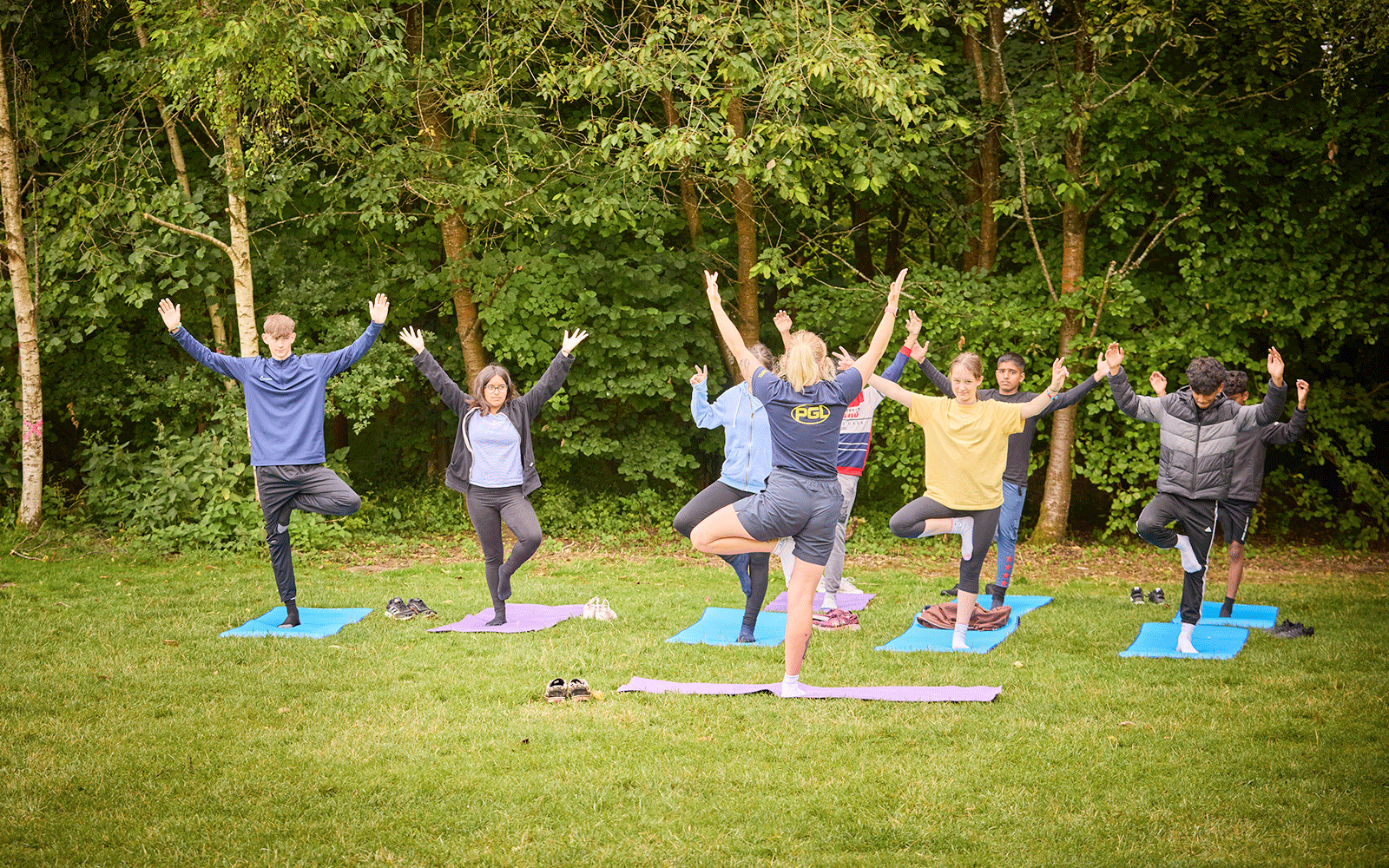
Student wellbeing is now a real focus for schools, especially in secondary education. This is a time when young people are juggling academic pressure, changing friendships and a growing sense of independence, often all at once. While support in the classroom is essential, learning experiences outside the school gates can play a huge role in helping students feel more confident, settled and supported.
When school trips are planned with care, they become far more than a day out. They give students the chance to step away from routine, try something new and reconnect with learning in a way that feels positive and achievable. Over time, these experiences can have a lasting impact, supporting both wellbeing and personal development long after students return to school.
Why student wellbeing matters in secondary education
Secondary school is a big period of change. Alongside lessons, exams and deadlines, students are also figuring out who they are, how they fit in socially and how to manage increasing expectations from school and home. For many, this can feel overwhelming at times, which is why student wellbeing plays such a crucial role during these years.
When students feel supported emotionally, the impact reaches far beyond how they feel day to day.
- They’re more engaged in learning – Students who feel emotionally secure are more likely to get involved in lessons, ask questions and take part without worrying about getting things wrong. When wellbeing is supported, students are better able to concentrate, stay motivated and keep going when work feels challenging, rather than switching off or losing confidence.
- Relationships are more positive – Strong wellbeing supports better behaviour and healthier relationships across school. Students who feel understood are more likely to communicate openly, manage disagreements calmly and show respect towards both peers and teachers. This helps create a more settled and supportive learning environment for everyone.
- Confidence grows over time – Feeling capable and valued makes it easier for students to speak up, make decisions and approach new situations with greater self-belief. This confidence doesn’t just support academic progress, but also helps students navigate social situations and personal challenges more effectively.
- Resilience improves – Students with good wellbeing are better equipped to handle setbacks, whether that’s a disappointing exam result, a friendship issue or an unfamiliar challenge. Rather than feeling defeated, they’re more likely to reflect, adapt and try again.
Supporting wellbeing at this stage helps students feel steadier, more motivated and more prepared for life beyond school.
The wellbeing benefits of school trips
School trips change the pace of the school day in a way that classrooms often can’t. Being away from familiar routines gives students space to reset, both mentally and emotionally, which can make a real difference to how they feel and how they engage with learning.
Some of the most noticeable school trip wellbeing benefits include:
- A change of environment – Stepping into a new setting helps break routine and ease everyday academic pressure. Whether it’s spending time outdoors or learning in a completely different space, new surroundings can reduce stress and encourage curiosity, helping students approach activities with a more open and positive mindset.
- Chances to feel successful – Trips often include practical, hands-on challenges where students can experience success without the pressure of tests, grades or written work. For students who may struggle academically, this can be particularly powerful, offering reassurance that they are capable and skilled in different ways.
- A focus on the whole student – Without the constraints of the usual timetable, students can get involved in activities that support their emotional, social and physical wellbeing. This helps reinforce the idea that school values them as individuals, not just for their academic performance.
- Improved mood and motivation – Fresh air, physical movement and shared experiences all contribute to a lift in mood. These positive feelings often don’t end when the trip does, and many students return to school feeling more motivated, engaged and positive about learning.
How school trips support key life skills
Wellbeing and skill development often go hand in hand. When students feel comfortable and supported, they’re far more willing to step outside their comfort zone and try new things.
School trips naturally help students develop important life skills by encouraging them to:
- Communicate more confidently – Group activities and problem-solving tasks encourage students to share ideas, listen to others and explain their thinking clearly. These real-life communication moments help students practise expressing themselves in ways that feel purposeful and natural.
- Work as part of a team – Collaborative challenges rely on cooperation, trust and shared responsibility. Students learn how to support one another, compromise when needed and recognise the value of everyone’s contribution, strengthening social skills and empathy.
- Take responsibility and make decisions – Being away from the usual school routine encourages independence. Whether it’s managing personal belongings, following schedules or making group decisions, students begin to take greater ownership of their actions and choices.
- Build genuine self-confidence – Completing challenges they once doubted helps students recognise their own abilities. These moments of success can be especially meaningful, reinforcing belief in themselves and their potential.
Together, these experiences help students feel more in control, more resilient and better prepared for future challenges both in and out of school.
Building resilience and confidence through shared challenges
One of the most valuable parts of a school trip is the chance for students to face challenges in a safe, supportive environment, where they feel encouraged rather than judged.
Through activities that stretch them just enough, students begin to:
- Try new things without worrying about getting it wrong – Supportive settings show students that mistakes are part of learning. This helps reduce fear of failure and encourages a more positive attitude towards trying unfamiliar activities.
- Manage nerves and uncertainty – Being placed in new situations helps students recognise how they respond to nerves and uncertainty, and develop strategies to stay calm, focused and confident.
- Keep going when things feel tough – Challenges often require persistence and teamwork, teaching students that effort and determination matter, even when something doesn’t come easily.
- Look back and recognise what they’ve achieved – Taking time to reflect helps students understand what they’ve learned about themselves, reinforcing confidence and a sense of pride in their progress.
Facing these challenges alongside peers also reminds students that they’re not alone, helping build emotional resilience and trust in others.
The role of school trips in creating stronger connections
Feeling like they belong is a huge part of student wellbeing. School trips offer space for relationships to grow in ways that don’t always happen in the classroom.
Trips help by:
- Encouraging new friendships – Shared activities bring together students who may not usually interact, helping break down social barriers.
- Strengthening student-teacher relationships – Spending time together outside the classroom can feel more relaxed, building trust and mutual respect.
- Giving quieter students a chance to shine – Practical challenges often highlight strengths that aren’t always seen in lessons, helping different students feel recognised.
- Creating shared memories – Positive experiences together help strengthen school culture and give students something to look back on.
These connections often continue long after the trip, contributing to a more supportive and positive school environment.
Making wellbeing a purposeful part of trip planning
The wellbeing benefits of school trips don’t just happen by accident. They’re strongest when trips are planned with clear intentions.
Schools can maximise the impact by:
- Choosing trips with wellbeing and personal development in mind – Selecting experiences that support confidence, resilience and teamwork helps ensure wellbeing is central, not secondary.
- Balancing challenge with support – Activities should push students gently while making sure they feel encouraged and safe throughout.
- Thinking carefully about inclusivity – Ensuring all students feel able to take part helps everyone feel valued and included.
- Building in time to reflect – Reflection helps students recognise what they’ve learned about themselves, reinforcing growth and confidence.
When wellbeing is planned into the experience, the benefits are more meaningful and longer lasting.
Supporting student wellbeing with PGL’s Reach & Thrive programme
For schools looking to make student wellbeing a central focus of their trip planning, PGL’s TRIVE programme has been designed with exactly this goal in mind.
THRIVE combines outdoor adventure with structured personal development, helping students build confidence, resilience and emotional wellbeing through carefully supported experiences. Activities are led by trained instructors who understand how challenge, encouragement and reflection work together to support student growth.
The programme focuses on
- Strengthening self-belief and confidence
- Developing communication and teamwork skills
- Supporting emotional resilience through shared challenges
- Helping students feel capable, connected and valued
If you’re exploring ways to support student wellbeing through meaningful experiences beyond the classroom, get in touch with us today to learn more about PGL’s wellbeing-boosting approach