

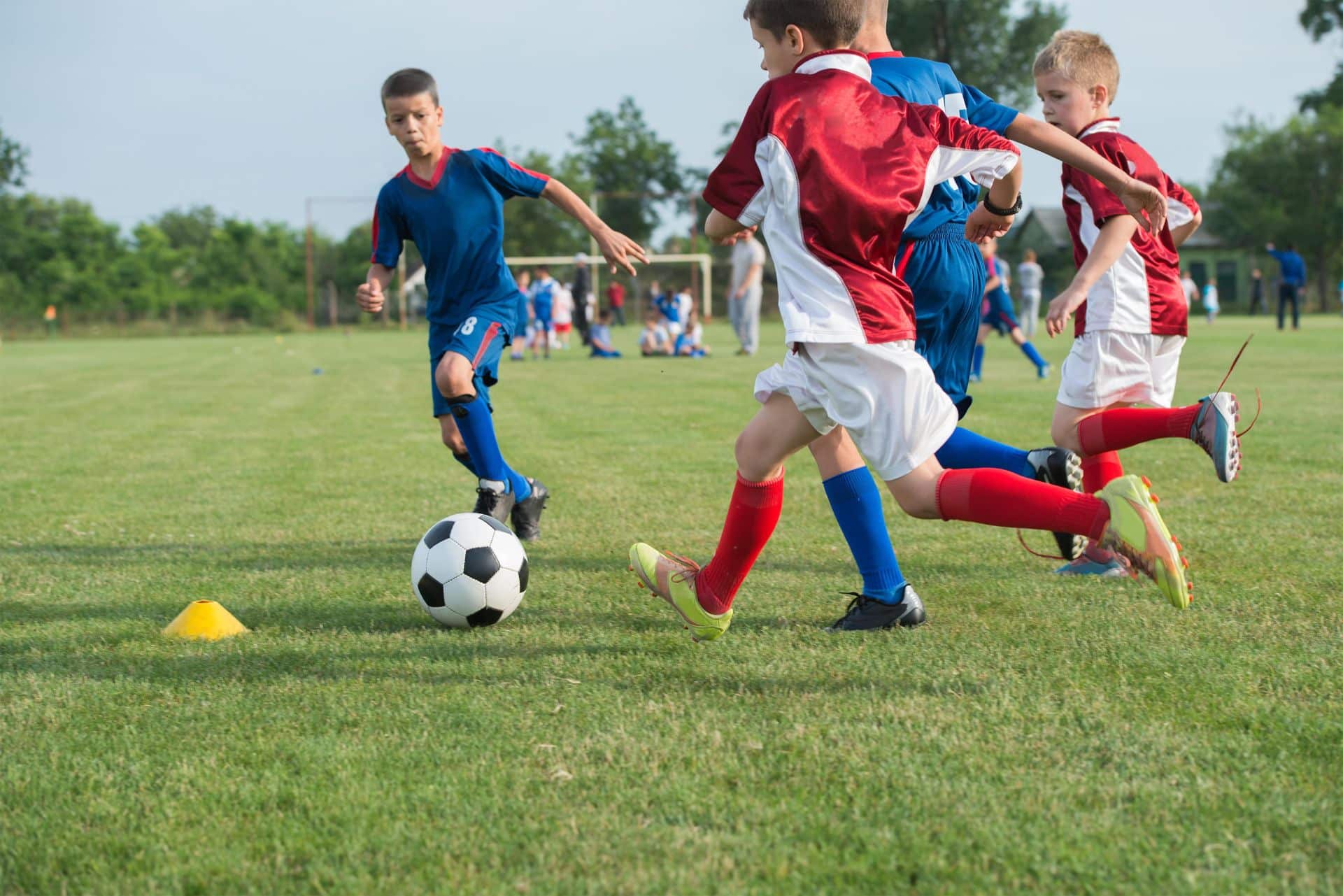
Whether you’re coaching a youth football team, running a local netball club or supporting a school sports squad, developing your players’ skills is key to success. From communication and teamwork to technical ability and confidence, every skill plays a role in how your team performs on and off the pitch.
In this guide, we’ll explore practical ways to improve sports skills, why ongoing skill development matters and how experiences like a PGL sports residential can help your team grow stronger together.
What counts as a sports skill?
Before improving sports skills, it helps to understand what they actually include. A great athlete is fast, strong and more importantly, adaptable, aware, and able to work with others. Here are the main types of sports skills to develop:
- Physical skills – agility, coordination, balance and speed
- Technical skills – the practical elements of your sport, like passing, serving, shooting or dribbling
- Tactical skills – decision making, spatial awareness, and understanding strategies or formations
- Psychological skills – focus, confidence, resilience and composure under pressure
- Social skills – communication, leadership, and teamwork
All of these areas overlap and feed into each other. For example, a technically skilled player who struggles with communication might still struggle in a team setting. That’s why a balanced approach to training works best.
Why is skill development important in sport?
Skill development is vital in any sport because it helps players improve, learn new techniques and stay motivated. The more skilled your players become, the more confident and capable your team will feel, both on the pitch and in their general approach to training and competition.
As players grow and mature, their brains develop too. They start to read the game more effectively, anticipate plays and take on new responsibilities. Skill development supports that process, helping each player find their strengths and understand their role within the wider team.
It also encourages a growth mindset. When young athletes see progress, such as mastering new skills or performing well under pressure, they build that confidence that carries into every part of their lives.
Practical ways to develop sports skills
Improving sports skills isn’t just about drills or repetition – it’s about creating an environment where learning, teamwork and confidence naturally thrive. The best development happens when players feel supported, challenged and excited to improve.
Whether you’re coaching a school team, running a club, or just helping young players build their confidence, there are plenty of practical, engaging ways to strengthen their skills and mindset. Here are a few to try:
- Rotate positions – give players the chance to try different roles such as goalkeeper, defender, midfielder etc. This builds tactical understanding and empathy for teammates’ responsibilities.
- Use video feedback – Recording matches or training sessions helps players analyse performance, spot strengths, and identify areas to work on.
- Mix physical and mental challenges – Include problem-solving games, reaction drills or timed challenges that improve focus and decision making.
- Encourage peer coaching – Let older or more experienced players help guide younger ones. This builds leadership while reinforcing key skills.
- Celebrate small wins – Recognising progress, not just results, boosts morale and motivation.
- Take skills off the pitch – Encourage players to look after their fitness, nutrition and recovery with balanced meals, regular stretches and keeping hydrated. These habits directly support sports skills.
Consistent, enjoyable training keeps players engaged and makes them more receptive to feedback, a vital ingredient for long-term improvement.
How to improve communication skills in sport
Communication is one of the most important (and often overlooked) aspects of sport. It helps teams make quick decisions, stay organised, and support one another.
When we talk about communication in sport, it could be:
- Giving information to your teammates
- Verbal or nonverbal communication
- How players tell others how they feel
These are all super important because communication can improve the way teams play through understanding, and it can also be used to support teammates during a match. So, how do you improve communication skills in sport?
You could set up a range of drills or training that encourage your teammates to communicate. This doesn’t necessarily mean it has to involve your sport, but activities like this are great for improving communication in your team.
These could include:
- Silent passing drills – Players can’t speak, so they must rely on body language and awareness.
- Blindfold activities – One player is blindfolded while teammates guide them through an obstacle course, forcing clear and concise communication.
- Small-sided games – Encourage players to call out names, make hand signals, and communicate under pressure.
At PGL, your team can develop their communication skills while training at our facilities or taking part in our multi-activities, which are extremely fun and also work on skills like communication and teamwork.
How to develop teamwork skills in sports
Teamwork is at the heart of every successful team. It’s more than just passing the ball or sharing the workload; it’s about leadership, collaboration, trust and problem-solving. These skills shape how players perform on the field and how they grow as individuals off it.
Strong teamwork helps players communicate clearly, stay composed in challenging moments and support one another through both victories and setbacks. It’s something that can be developed with intention and practice.
To help your players improve their teamwork skills:
- Promote a positive team culture – Celebrate effort, not just outcomes. Encourage players to support each other through both wins and losses.
- Set team goals – create shared targets that everyone can work towards, like keeping a clean sheet, improving possession time, or supporting teammates vocally.
- Plan team building sessions – Mix in activities that have nothing to do with sport. At PGL, sports groups take part in different activities such as raft building, archery and challenge courses – all designed to strengthen their trust and collaboration.
- Encourage problem-solving – Give your team opportunities to make their own tactical decisions. It helps them think strategically and take ownership of their performance.
When players trust and respect each other, they’re far more likely to communicate, stay calm under pressure, and pull together when it matters most.
Developing confidence and leadership in young athletes
Confidence and leadership are two of the most valuable qualities you can nurture in young athletes. Confident players are more resilient, more open to feedback and better at bouncing back from mistakes.
To build confidence in your team:
- Give every player a role or responsibility, whether that’s leading the warm-up, organising equipment or captaining a drill
- Offer regular, constructive feedback
- Encourage players to reflect on what went well after each session and how to improve next time
Leadership can be developed through trust and example, such as modelling positive behaviours, such as sportsmanship and good communication. Challenge your players to take the lead in planning or problem solving, and let them experience what it’s like to motivate others.
Residential trips, such as PGLs, are particularly powerful for this. Away from their usual environment, young people often set up, support their teammates and discover leadership qualities they didn’t know they had.
How PGL supports skill development for sports clubs
At PGL, we’ve been helping young people grow through adventure for decades, and sports clubs are no exception. Our Sports Club Residentials combine training time with outdoor challenges that strengthen communication, teamwork, and confidence.
Teams can make use of our sports facilities, enjoy professional-level catering and accommodation, and take part in exciting group activities designed to push them outside their comfort zones in a supportive way.
From multi-activity weekends to tailor-made sports programmes, a PGL trip gives your team space to connect, refocus, and come home stronger, both physically and mentally.
Book your sports group residential with PGL!
Now you know the many ways to improve sports skills in your team, why not bring your team to PGL for an epic sporting adventure? If you’re looking for somewhere to take your team and are not already heading on a group residential trip with PGL, then take a look at what we have to offer. We have a range of trips to choose from, including Sports Club residentials, Girlguiding residentials, Scout residentials, Youth Club & Trust residential, Other Uniform residentials and more!
If you have any questions, get in touch with our friendly and experienced team today. They’ll be more than happy to help!