

As educators and carers, we all want young people to walk confidently into adulthood, not just academically prepared, but ready to take on the real challenges and opportunities life throws at them. While school lessons build knowledge, there’s a whole set of abilities that help students thrive outside the classroom, too. These life skills students should learn empower young people to communicate, solve problems, build healthy relationships, manage themselves, and adapt to change.
Let’s explore the top life skills for pupils, why they matter, and how adults can support young people to develop them. These essential life skills for students set the foundation for wellbeing, success, and resilience in school, work, and adult life.
Why life skills matter just as much as academic success
While exam results and qualifications are important, they are only part of the picture. To truly thrive, students also need the confidence, adaptability, and self-awareness to navigate everyday life, both now and in the future.
Many of the challenges young people face don’t come with clear instructions. Managing emotions after a friendship fallout, contributing to a group project with different personalities, or juggling revision with extracurricular commitments all require practical skills that develop over time through experience. These are the essential life skills for students that support wellbeing, independence, and long-term success.
- Build resilience when things don’t go to plan – Whether it’s receiving a lower grade than expected or not making the team, students learn how to respond constructively instead of giving up.
- Communicate more confidently with peers and adults – This might mean asking for clarification in class, speaking up in a debate, or having a respectful conversation with a teacher about concerns.
- Develop independence and self-belief – From organising their own homework schedule to navigating public transport for the first time, small acts of independence build confidence over time.
- Prepare for further education, employment, and adult life – Employers consistently value soft skills such as teamwork, initiative, and adaptability alongside qualifications.
These skills don’t replace academic learning, they strengthen it. When students feel capable and supported, they’re more engaged, motivated, and ready to take on new challenges.
With that in mind, here are five of the top life skills for teenagers every student should have the opportunity to develop.
1. Communication and interpersonal skills
One of the most important life skills students should learn is how to express themselves and understand others. Communication isn’t just about speaking clearly; it’s about listening, collaborating, and navigating different perspectives with confidence and respect.
What this looks like for teenagers
- Speaking confidently in class or group settings – Sharing ideas in discussions, presenting projects, or contributing to group decisions without fear of judgement.
- Listening actively without interrupting – Showing engagement through eye contact, asking follow-up questions, and summarising what someone else has said to check understanding.
- Reading non-verbal cues – Noticing when a friend seems withdrawn, recognising body language in group work, or understanding tone during conversations.
- Expressing needs and feelings respectfully – Saying “I felt left out when…” rather than reacting defensively or withdrawing completely.
Good communication builds stronger friendships, boosts academic participation, and lays the groundwork for future workplaces. Teens who understand how to talk and listen are better equipped to resolve conflict, ask for help, and build supportive networks.
Practical ways to support development
- Encourage structured group discussions where every student has a role, such as facilitator, note-taker, or summariser
- Use role-play scenarios to practise respectful disagreement or giving feedback
- Provide specific feedback on listening skills, not just speaking performance
- Model clear, calm communication during challenging conversations
Over time, these everyday opportunities turn natural teenage conversation into meaningful communication skills that will last a lifetime.
2. Emotional awareness and self-regulation
Understanding and managing emotions is a powerful life skill, especially during adolescence, when feelings can feel intense and unpredictable. Helping young people recognise what they’re feeling and why teaches them to pause, reflect, and respond with intention rather than impulse.
Key elements of emotional intelligence
- Identifying emotions in self and others – Being able to distinguish between frustration, disappointment, embarrassment, or anxiety rather than labelling everything as “stress”.
- Understanding triggers – Noticing patterns, such as feeling overwhelmed before exams or irritated when tired.
- Managing reactions in stressful situations – Taking a breath before responding, stepping away from a conflict, or using calming strategies.
- Practising empathy – Considering how others might feel in a situation and adjusting behaviour accordingly.
Why this is an essential life skill for students
Students who can regulate their emotions are more likely to:
- Stay calm during assessments or performances
- Navigate friendship challenges with maturity
- Recover more quickly from setbacks
- Maintain focus in busy or high-pressure environments
How schools and parents can help
- Introduce short reflection or journaling activities
- Teach emotional vocabulary explicitly, especially for younger teens
- Create safe opportunities to talk about challenges without judgement
- Model calm problem-solving when things go wrong
Emotional awareness is deeply practical. When students learn to navigate their inner world, they also improve behaviour, performance, and overall wellbeing.
3. Problem-solving and critical thinking
The world is evolving rapidly, particularly in technology and employment. One of the most future-focused skills students need is the ability to analyse information, question assumptions, and approach challenges creatively.
What problem-solving looks like
- Breaking a challenge into manageable parts – Planning research for a project step by step, rather than feeling overwhelmed by the final deadline.
- Asking thoughtful questions – Challenging information sources, exploring alternative viewpoints, and seeking clarification when something doesn’t make sense.
- Weighing up different solutions – Considering pros and cons before making decisions, whether choosing GCSE subjects or resolving a peer disagreement.
- Learning from mistakes – Reviewing what went wrong in a test or competition and identifying what to adjust next time.
Why critical thinking matters
In school, this supports deeper learning and independent research. Beyond school, it strengthens decision-making, adaptability, and confidence in unfamiliar situations. Instead of relying on instructions, students learn how to evaluate information and think independently.
Ways to nurture these skills
- Set open-ended tasks with multiple possible outcomes
- Use real-world case studies that require analysis and discussion
- Encourage debate and structured questioning
- Reflect after projects on what worked well and what could be improved
When students learn to think critically, they become more adaptable and better prepared for future careers that may not even exist yet.
4. Time management and organisation
Balancing schoolwork, hobbies, friendships, and rest can feel overwhelming. Learning to manage time effectively gives students a sense of control and reduces unnecessary stress.
What good time management involves
- Setting priorities and realistic goals –Identifying which tasks are urgent, which can wait, and how to break larger goals into weekly targets.
- Planning time intentionally – Allocating revision blocks, scheduling downtime, and building in flexibility.
- Breaking tasks into smaller steps – Turning “write essay” into research, plan, draft, and edit stages.
- Recognising and reducing procrastination – Identifying distractions and developing strategies to stay focused.
Benefits for students
- Improved academic consistency
- Reduced last-minute stress
- Greater balance between work and personal life
- Smoother transitions into sixth form, university, apprenticeships, or employment
Practical activities to develop these skills
- Use shared planning sessions to map out deadlines
- Review weekly goals and reflect on progress
- Practise estimating how long tasks will take, then compare with reality
- Encourage consistent routines that still allow flexibility
Time management is not about rigid schedules. It is about helping students feel capable of making choices that support their goals and wellbeing.
5. Collaboration and teamwork
Life rarely happens in isolation. Whether in education, employment, or community settings, being able to work effectively with others is one of the top life skills for teenagers.
What collaboration skills include
- Listening to and building on others’ ideas – Responding thoughtfully rather than competing for attention.
- Sharing responsibilities fairly – Dividing tasks clearly and holding one another accountable.
- Giving and receiving constructive feedback – Offering suggestions respectfully and responding without defensiveness.
- Respecting diverse viewpoints – Valuing different experiences, cultures, and problem-solving styles.
Why teamwork matters
Collaborative work prepares students for adult environments, where projects are rarely completed alone. It develops empathy, leadership, negotiation, and flexibility, all qualities highly valued in further education and employment.
Ways to build collaboration
- Introduce structured team challenges with rotating roles
- Facilitate reflection on group dynamics after tasks
- Recognise individual contributions within group success
- Model compromise and shared decision-making in classroom settings
When students learn to collaborate effectively, they also learn to value each other’s strengths and navigate differences with respect.
Learn life skills at PGL!
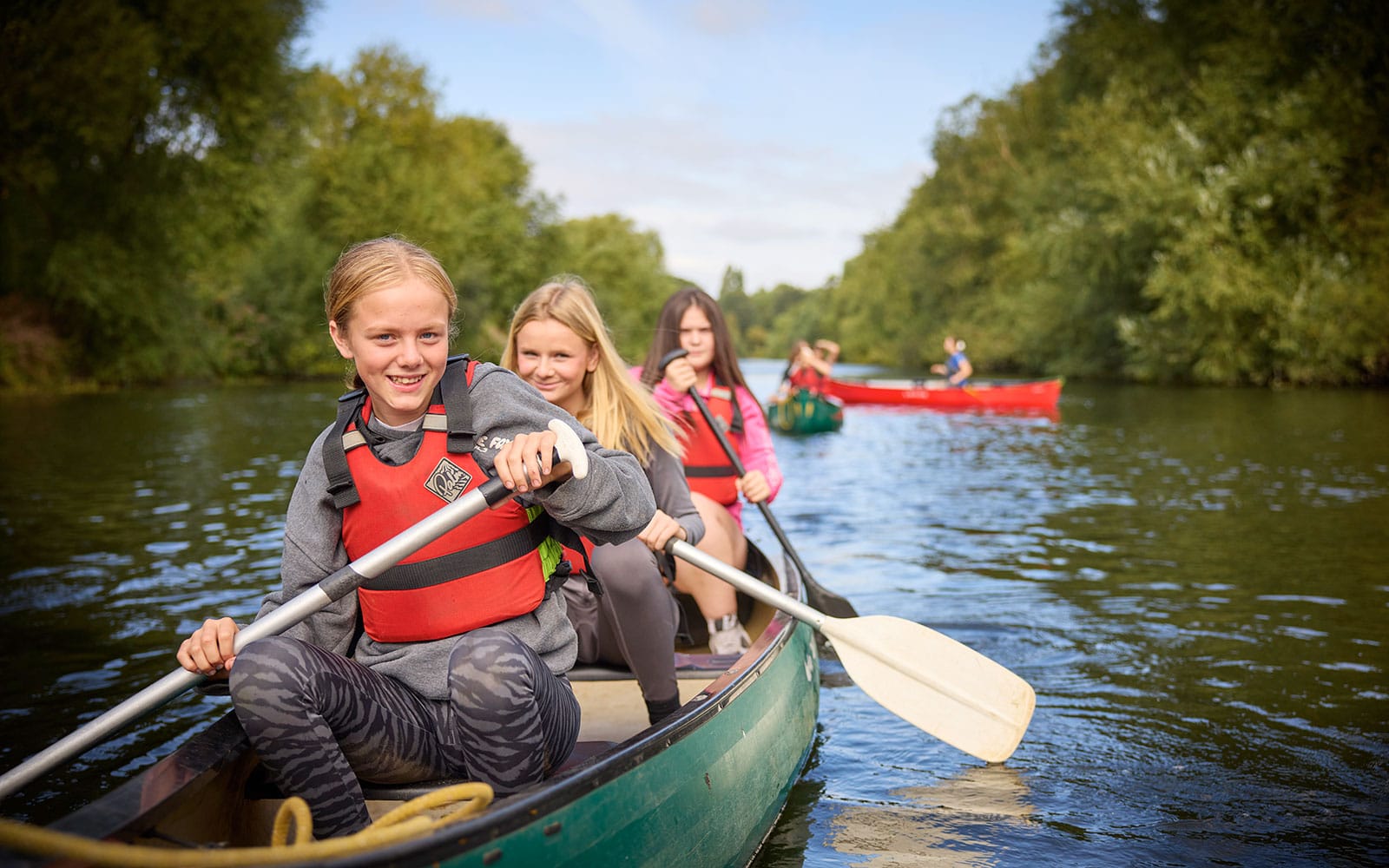
Life skills develop best when students can put them into practice in real-world settings. Our Skills4Life programme provides structured outdoor experiences that challenge young people to communicate, collaborate, problem-solve, and build independence beyond the classroom.
Through shared activities, reflective sessions, and supportive guidance, students develop confidence and resilience in an environment designed to stretch and support them in equal measure.
Enquire today to book your student’s place or to find out more!