

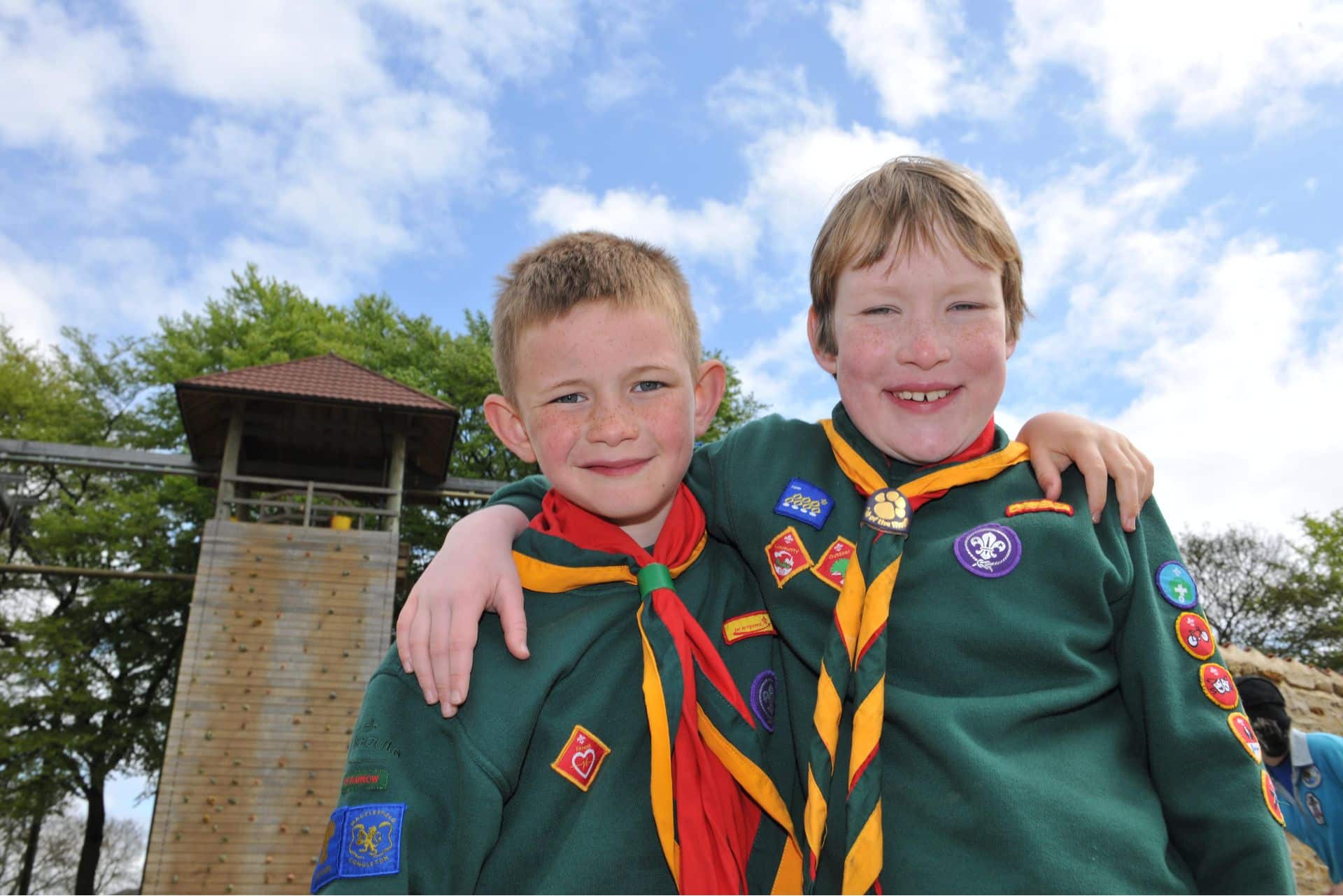
Uniformed groups like Scouts and Girlguiding offer children and young people the chance to grow, explore and develop essential life skills. But if you’re new to the world of Beavers, Cubs, Rainbow, Brownies or Guides, one of the first things you’ll likely ask is: Which group does my child fit into, and how do they work?
This guide is here to help you understand how uniformed groups are structured by age, what each group offers and how these stages are designed to support children’s development. Whether you’re a parent, carer, or a group leader looking to brush up on their knowledge, knowing these age brackets can help you support children as they move through the different stages of their journey.
How Uniformed Groups Are Designed Around Age and Development
Uniformed groups aren’t just split by age for organisational convenience—they’re thoughtfully structured to meet children where they are in terms of their social, emotional, and physical development.
Here’s how the age groupings benefit children:
Age-appropriate challenges: Activities are carefully chosen to match the developmental stage of each group. For example, Beavers might build confidence through simple team games or craft projects, while Scouts could be learning survival skills or planning an overnight hike. This progression ensures every child is challenged at the right level.
Progressive learning: As children move up through the groups, they build on previously learned skills. A child who learns to pitch a tent as a Cub might later lead a team to set up camp as a Scout. This continuity supports long-term personal growth and reinforces key values like perseverance and leadership.
Encouraging independence: Younger children start with lots of guidance, but as they grow, they’re given more responsibility. Cubs may start by helping plan a group meal, whereas Explorers could be organising a full expedition, including logistics and safety. This builds real-world confidence and decision-making skills.
Smooth transitions: The move from one group to the next is often supported by gradual transitions and mentorship. Older children might visit the next group before officially moving up, helping them adjust. Leaders often facilitate this process with welcome activities and check-ins to ease nerves.
Understanding the purpose behind these structures can help you better support your child or group as they grow.
What are the different ages for uniformed groups?
Uniformed groups are carefully structured by age to support children and young people as they grow. Each stage is tailored to suit their level of development, offering age-appropriate activities and challenges that help build confidence, independence, and life skills.
Younger members might focus on fun, games, and getting used to teamwork, while older groups begin to take on more responsibility, leadership opportunities, and community involvement. As they move through the different sections, they gain transferable skills such as communication, problem-solving, resilience, and decision-making.
No matter their age, being part of a uniformed group is a great way for young people to make friends, enjoy new experiences, and feel a sense of belonging, while having plenty of fun along the way.
Scouts Sections
Beavers (Ages 6–8)
The Beaver Scouts’ ages typically range between 6 and 8 years old. Beavers are beginning to learn and explore new things, with some having come from Squirrels. They’ll take part in many new activities and learn from the world around them, building dens, going on seaside trips and more.
What they work towards:
- Making friends and learning teamwork through group games, such as team treasure hunts, and collaborative projects, like a community garden project.
- Trying new activities like cooking on a campfire, pond-dipping, or planting seeds
- Earning badges like My Skills, My World, and Explore, which reward curiosity and new experiences
Cubs (Ages 8–10.5)
Cub Scouts are aged between 8 and 10 ½. At this age, kids are really starting to enjoy adventures, make new friends and question the world around them, which is why Cubs is so great. They’re able to explore the world with their packs, take part in fun activities and challenge themselves. As they begin to gain more responsibility, Cubs teach them skills like cooking and first aid.
What they work towards:
- Outdoor skills like reading maps, putting up tents, or building simple structures
- Taking part in team projects such as charity fundraisers or group hikes
- Badgework that explores practical life skills and global awareness, including Personal Safety, Home Help, and Global Issues
Scouts (Ages 10.5–14)
Children move into Scouts when they turn around 10 ½ and are a part of the group until 14 years old. It’s about trying things that they don’t get to do at home or school, exploring the world on their own terms, helping the community and more. Scouts take on bigger challenges, such as hiking, survival skills, and planning community projects.
What they work towards:
- Leadership roles such as Patrol Leader or Assistant Patrol Leader, which involve organising others. Patrol leaders are responsible for setting a positive example within the scout unit, making sure their patrol is fully equipped and prepared for any events and creating a strong sense of unit within the group.
- Planning their own expeditions, including route maps, gear lists, and risk assessments
- A wide selection of badges, such as Expedition Challenge, Skills for Life, and Fire Safety, many of which involve multiple sessions and personal commitment
Explorers (Ages 14–18)
Explorer Scouts’ ages typically range between 14 and 18 years old. Many move up from Scouts and want to keep the adventure going, with chances to lead, support younger groups, and get involved in even bigger adventures. Explorers are all about growing independence while still having loads of fun.
What they work towards:
- Taking part in the Duke of Edinburgh’s Award at Bronze, Silver, or Gold level – for example, planning a multi-day hike with overnight camping, learning a new skill like photography, or volunteering at a local charity shop
- Volunteering in the community or helping out with younger sections – such as running games at a Beaver meeting, supporting a Cubs camp, or organising a fundraising event for a local cause
- Joining national or international camps and projects – like going on a week-long Explorer Belt expedition abroad, attending a World Scout Jamboree, or taking part in a UK-based survival or leadership camp
Girlguiding Sections
Rainbows (Ages 4–7)
Rainbows’ ages typically range between 4 and 7 years old. As the youngest section in Girlguiding, Rainbows is all about building confidence through play, creativity, and friendship. Girls explore the world around them in a fun and supportive environment, often through storytelling, nature, and imaginative activities.
What they work towards:
- Exploring fun topics like nature, movement, and storytelling through the Rainbow programme
- Taking part in activities like role play, themed crafts, and treasure hunts to build confidence and social skills
- Earning badges like Animal Lover, Storyteller, and Nature, which encourage curiosity and help girls discover what they enjoy
Brownies (Ages 7–10)
Brownies’ ages typically range between 7 and 10 years old. Brownies go on bigger adventures and start to explore who they are and what they’re interested in. They begin to take on more responsibility, work together in small teams, and try out new experiences often for the first time.
What they work towards:
- Collaborating in small groups called Sixes, where they take turns leading and supporting one another
- Going on their first sleepovers or residential trips away from home
- Earning badges like Mindfulness, First Aid, and Explore, which support self-awareness, useful skills, and curiosity about the world
Guides (Ages 10–14)
Guides is an adventure for girls aged between 10 and 14 years old. With every stage of uniformed groups, it’s about further developing children and introducing them to more and more adventures. Girlguiding is brilliant for building the confidence of girls and helping them to grow into the young women they want to be.
What they work towards:
- Choosing their own goals and challenges, either individually or as a group – whether that’s learning to cook a meal, taking on a personal fitness challenge, or planning a group night. It’s all about building confidence and independence.
- Taking part in community projects, fundraising, or events like Camp Together – Camp Together is a UK-wide weekend of camping, outdoor activities, and shared adventures with other units. Locally, Guideunits might run a charity bake sale, volunteer at a community garden, or collect items for a food bank.
- Earning badges and building future-focused skills through Innovate, Communicate, and Lead Skills Builders – from designing eco-solutions and practising public speaking to taking charge of a group activity, these help girls grow into capable, creative, and confident young women.
Rangers (Ages 14–18)
Rangers is the next age group up from Guides, for girls aged between 14 and 18. Just like with all other uniformed groups, Rangers can also earn badges and awards. It’s about building on the skills they have already learned throughout life within Girlguiding, such as camping, communication and first aid. Rangers provide a perfect opportunity for girls to support each other and make friends as they meet up each week.
What they work towards:
- Becoming a Young Leader for younger groups – supporting Rainbows, Brownies or Guides through games, activities, and mentoring. It’s a great way to build confidence, responsibility, and leadership experience.
- Working towards advanced awards like the Queen’s Guide Award or Duke of Edinburgh’s Award (DofE) – both involve setting personal goals, volunteering, developing skills, and taking part in outdoor expeditions. These are nationally recognised and look great on CVs, college, or university applications.
- Learning essential life skills, such as how to budget for a trip, prepare for a job interview, stay safe while travelling, or plan and run an event. These skills help girls feel more prepared for adulthood and give them real confidence in everyday situations.
What Happens When a Child Is Between Age Groups?
Moving from one stage of a uniformed group to the next can feel like a big step, especially when children develop at different paces. Whether they’re transitioning from Beavers to Cubs, Guiding to Rangers, or anywhere in between, it’s entirely normal for some children to move up earlier or later than others.
These transitions are designed to be flexible and supportive, with leaders focusing on your child’s individual needs rather than just their age. It’s all about making sure they feel comfortable, confident, and ready for the next adventure!
Flexible transitions: Group leaders will often look at a child’s confidence, readiness, and relationships rather than just their date of birth. For instance, a confident 10-year-old might move from Cubs to Scouts early, while another might benefit from a few extra months.
Overlap periods: Children may attend both groups for a short time to ease into the next stage. This could involve a few trial sessions with the new group or attending joint events to build familiarity.
Late joiners: It’s never too late to get involved. Whether your child is 11 and new to uniformed groups or returning after a break, leaders are skilled at helping them integrate and catch up on key experiences and badgework.
Talk to your local group leader if you’re unsure when it’s the right time to move up. They’re there to help make that transition smooth and positive.
Planning the Right Experiences for Their Age
One of the best things about uniformed groups is how well the activities are matched to children’s interests and abilities at every stage. That’s especially important when it comes to things like trips and residentials.
Younger groups: Beavers and Rainbows may go on their first sleepover, try low-level climbing walls, or take part in treasure hunts and nature trails. These simple, fun activities gently introduce them to new environments without their usual home comforts. Sharing a room with friends, following a group routine, and being supported by trusted leaders all help children build confidence and independence in small steps. These early experiences lay the groundwork for longer trips away from home later on.
Middle groups: Cubs and Brownies might go on weekend camps with activities like archery, raft building, or campfire cooking. These experiences support growing independence by encouraging children to try new things without direct help from parents. They might be responsible for packing their kit, keeping track of their belongings, or helping prepare meals. Working as part of a team, making choices, and stepping outside their comfort zone all help build confidence, self-reliance, and problem-solving skills, key foundations for greater independence as they grow.
Older groups: Scouts, Guides, and Explorers/Rangers take on more responsibility by planning their own expeditions, getting involved in community action, and sometimes even travelling internationally. Activities like high ropes courses, survival weekends, or volunteering projects challenge them physically, mentally, and emotionally, pushing them beyond their comfort zones. They’re often asked to lead team tasks, make decisions under pressure, and support others. Whether it’s navigating a hiking route, organising a fundraiser, or mentoring younger members, these experiences help them build resilience, take initiative, and develop real leadership skills that they can apply in school, future work, or everyday life.
This age-tailored approach makes sure every child has the right mix of fun, challenge, and learning. That’s where PGL comes in…
Book Your Next Uniformed Group Adventure with PGL
Did you know that you can bring your uniformed group to PGL for an adventure of a lifetime? If you’re looking for somewhere to take your girls and boys and are not already heading on a group residential trip with PGL, then take a look at what we have to offer. We have a range of trips to choose from, including Girlguiding residentials, Scout residentials, Youth Club & Trust residential, Other Uniform residentials and many more!
If you have any questions, get in touch with our friendly and experienced team today. They’ll be more than happy to help!