

When we talk about children’s wellbeing, it’s easy to focus on specific elements such as physical health or how they’re doing mentally. The truth is, well-being isn’t one-dimensional. Children flourish best when their body, mind, emotions and social connections are all in tune. This is what’s known as holistic wellness.
Holistic wellness takes a broad view of what it means to simply be healthy and happy. It’s all about balance, making sure children are supported not just in the classroom, but in all areas of their lives that contribute to their growth and development. For schools, parents and group leaders, understanding this approach will help children build resilience, confidence and the skills they’ll carry into adulthood.
What is holistic wellness?
Holistic wellness is all about looking after your mind, body and soul. It helps to incorporate the different interconnections that come with well-being in children.
For example, a child who eats well and is physically active may seem healthy, but if they’re struggling socially or finding it difficult to manage emotions, their overall well-being can still be affected. Likewise, a child who thrives academically but rarely has the chance to be physically active or connect with others might not feel balanced.
Studies into holistic wellness programmes, even among young adults, show that taking a broad approach to wellbeing can lead to improvements in areas like emotional intelligence, self-belief, and overall psychological health. While the research focused on university students, the findings highlight an important truth: when people are supported across different aspects of their wellbeing, they become more resilient and capable. It’s easy to see how starting this approach early could help children develop strong foundations for life.
Holistic wellness ensures that no single area is overlooked. Recognising that physical, emotional and social needs are all important and work together helps create a foundation for lifelong wellbeing.
The different aspects of holistic wellness for children
Holistic wellness is often broken down into several different aspects: physical, emotional, social, intellectual, and inner wellness. For children, they can promote healthier habits, stronger social skills, and greater confidence as they grow. Let’s explore each of these areas in more detail:
Physical wellness
Children often seem full of energy, but their physical health doesn’t just take care of itself – it needs guidance and consistency. Supporting their bodies as they grow means more than keeping them active; it’s also about fuelling them with the right foods and making sure they get the rest they need.
When children feel well physically, they’re able to focus better, join in with activities, and enjoy life to the full. Some of the most effective ways to encourage physical wellness include:
- Encouraging regular activity – studies show that children should get at least 30 minutes of exercise each day, this can be through going to football training, going for a long walk or maybe a bike ride
- Supporting healthy eating habits and balanced nutrition – it’s no secret that there is a lot of ‘bad food’ out there, such as chocolate yoghurts or small pouches of sweets, much of which is marketed towards children. It’s always good to instil a balanced diet from a young age, with plenty of nutritional foods like fruits and vegetables, and adding in the odd sweet treat too!
- Prioritising good sleep routines – sleep is the best way for any of us to rest and recover, even more so for young children who, on average, need about 9-12 hours of sleep. Not only does this help their body to recover, but it also helps their mind to rest, allowing them to perform better academically, too.
When children are physically well, they have more energy to learn, play and engage with others. For instance, a child who gets enough sleep is likely to focus in class and feel ready to take on challenges.
Emotional wellness
Childhood is a time of constant learning and change, and managing emotions is one of the most important skills children develop along the way. Emotional wellness is about the ability to recognise feelings, cope with stress, and feel secure in who they are. Children who feel emotionally supported are often more resilient, more willing to try new things, and better at building positive relationships. There are many ways parents, carers, and teachers can nurture this, such as:
- Building self-esteem and self-worth – growing up can be a confusing time for all of us, and trying to figure out emotions on top of that can sometimes make us feel even worse. Building a routine with children to help them build on their self-esteem and self-worth, such as projects they are proud of or what they like about themselves, really helps them stay in tune with their emotions.
- Developing coping strategies for stress and setbacks – At times, the pressures of school, socialising and the outside world can be very stressful for children. It’s good to talk through the stress or setbacks they may be feeling, and offer ways to help them cope with those feelings. This will help them understand exactly how those feelings could present, through irritability or maybe going into their own shell.
- Encouraging children to talk about their feelings openly – Studies show that over a quarter of young people in the UK regularly hide their feelings. Offering them an open space to discuss their emotions can help them understand why they feel this way. It can be encouraging when you are open and honest with your own feelings, as this offers a safe space for children to trust you with their thoughts and feelings too.
Social wellness
A big part of feeling well comes from feeling connected, and children learn this through their relationships. Social wellness is about giving them the skills and confidence to interact positively with others, whether that’s with family, friends, classmates, or teammates.
Strong social connections help children feel valued and supported, and they also prepare them for the collaboration and communication skills they’ll need later in life. Encouraging social wellness can be as simple as:
- Building friendships and positive relationships – Having friends children can trust and rely on gives them a sense of belonging. Encouraging playdates, group work in class, or joining clubs can help them form and maintain friendships.
- Learning teamwork and cooperation – Team sports like football or netball, shared projects like science experiments, or even family activities at home teach children how to listen, share, and work together towards a common goal.
- Practising communication skills and empathy – Talking about how others might feel in different situations helps children understand perspectives outside of their own, which in turn, builds kindness and respect.
Group activities such as drama, sports teams, or problem-solving games are excellent for this. Not only do they give children the chance to bond, but they also teach important life lessons about collaboration, compromise, and understanding others.
Intellectual wellness
This is about curiosity, creativity, and the joy of learning — both inside and outside the classroom. Intellectual wellness encourages children to explore, think independently, and discover new ways of looking at the world. It can be supported through:
- Encouraging problem-solving and critical thinking – Simple activities like puzzles, STEM challenges, or even riddles can help children stretch their thinking and find creative solutions.
- Exploring hobbies and interests – Whether it’s painting, music, coding, or science experiments at home, hobbies give children a sense of pride and excitement while keeping their minds engaged.
- Celebrating creativity and imagination – Children naturally love to create and imagine. Providing time and space for storytelling, role play, or building things allows them to grow in confidence as independent thinkers.
When children are intellectually stimulated, they feel more capable and prepared to take on challenges. This confidence carries over into all areas of their lives, from schoolwork to problem-solving in everyday situations.
Inner wellness
Sometimes called spiritual wellness, this isn’t necessarily about religion — it’s more about helping children develop a sense of purpose, belonging, and inner calm. Although this might sound abstract, it can be introduced in simple, child-friendly ways, such as:
- Understanding values like kindness and fairness – Talking about what it means to be kind, or discussing fairness during play, helps children reflect on how they treat others. These lessons carry over into other areas of life, from working well in teams to managing challenges with empathy and respect.
- Feeling part of a family, community, or group – This could mean being included in family decisions, feeling like an important member of a sports team, or contributing to a school community.
- Finding calm through mindfulness or time in nature – Activities like guided breathing, writing down what they’re thankful for, or spending quiet time outdoors help children slow down and connect with themselves.
Even small practices make a difference. For example, a Stanford study showed that just a few slow, deep breaths can significantly reduce a child’s physiological stress in real-world settings. That kind of gentle mindfulness can lay the groundwork for emotional self-regulation and inner peace.
Why holistic wellness matters for children
Children thrive when all parts of their well-being are supported, not just their academic progress. A holistic approach recognises how physical health, emotional resilience, social connections and confidence all link together.
When these areas are nurtured, children are happier, more focused, and better prepared for life’s challenges. The benefits can be seen in everything from stronger relationships to healthier lifelong habits.
- Supports mental health – by giving children tools to manage emotions and stress, holistic wellness helps protect against anxiety and low self-esteem.
- Improves focus and performance – a balanced lifestyle for young people allows them to become more engaged in the classroom and enables them to retain and absorb information more easily.
- Builds confidence and independence – taking on challenges, whether academic (like completing a tricky maths problem or speaking in front of the class) or physical (such as learning to swim, climbing a wall, or running in a school race), helps children develop self-belief.
- Strengthens relationships – Learning empathy, communication, and teamwork skills helps children build lasting friendships
- Encourages healthy habits for life – When children grow up valuing sleep, movement, nutrition and balance, they’re more likely to carry these habits into adulthood.
Think of holistic wellness as the roots of a tree. If one root is weak, the whole tree is less stable. But when all roots are strong and nourished, the tree can grow tall and resilient.
How schools and parents can support holistic wellness in children
Wellness in children is built with steady encouragement from both home and school. When parents and teachers work together, children get consistent support that helps them develop balance and confidence.
This can be as simple as encouraging active play, giving space for creativity, or teaching techniques to manage stress.
- Encourage active play – physical activity doesn’t always have to mean sports. Nature walks, dance or obstacle courses all contribute to physical wellness.
- Provide creative outlets – Art, drama, and music let children express themselves and develop confidence. This sparks their creative minds, which can open up a different side they haven’t explored before.
- Prioritise downtime – unstructured play or quiet time is just as important as structured lessons. This gives their brains time to decompress. Our brains need rest as much as our bodies do in order to thrive!
- Teach emotional skills – Simple techniques like deep breathing or identifying feelings can help children manage stress.
- Model balance – children watch and learn from adults. Demonstrating healthy routines such as an organised morning not a rushed routine, managing stress positively and showing kindness all set a powerful example.
When schools and families work together, children benefit from a consistent approach that values every part of their wellbeing.
How to incorporate holistic wellness into real-life experiences for children
Classroom learning is important, but real growth often happens through experiences. Activities outside the usual environment give children the chance to stretch themselves, build resilience, and see what they’re capable of.
For example, when a child takes part in a team challenge outdoors, they’re practising vital skills such as teamwork, problem-solving, and communication. Overcoming nerves on a climbing wall or performing in front of peers boosts confidence and shows them the value of perseverance.
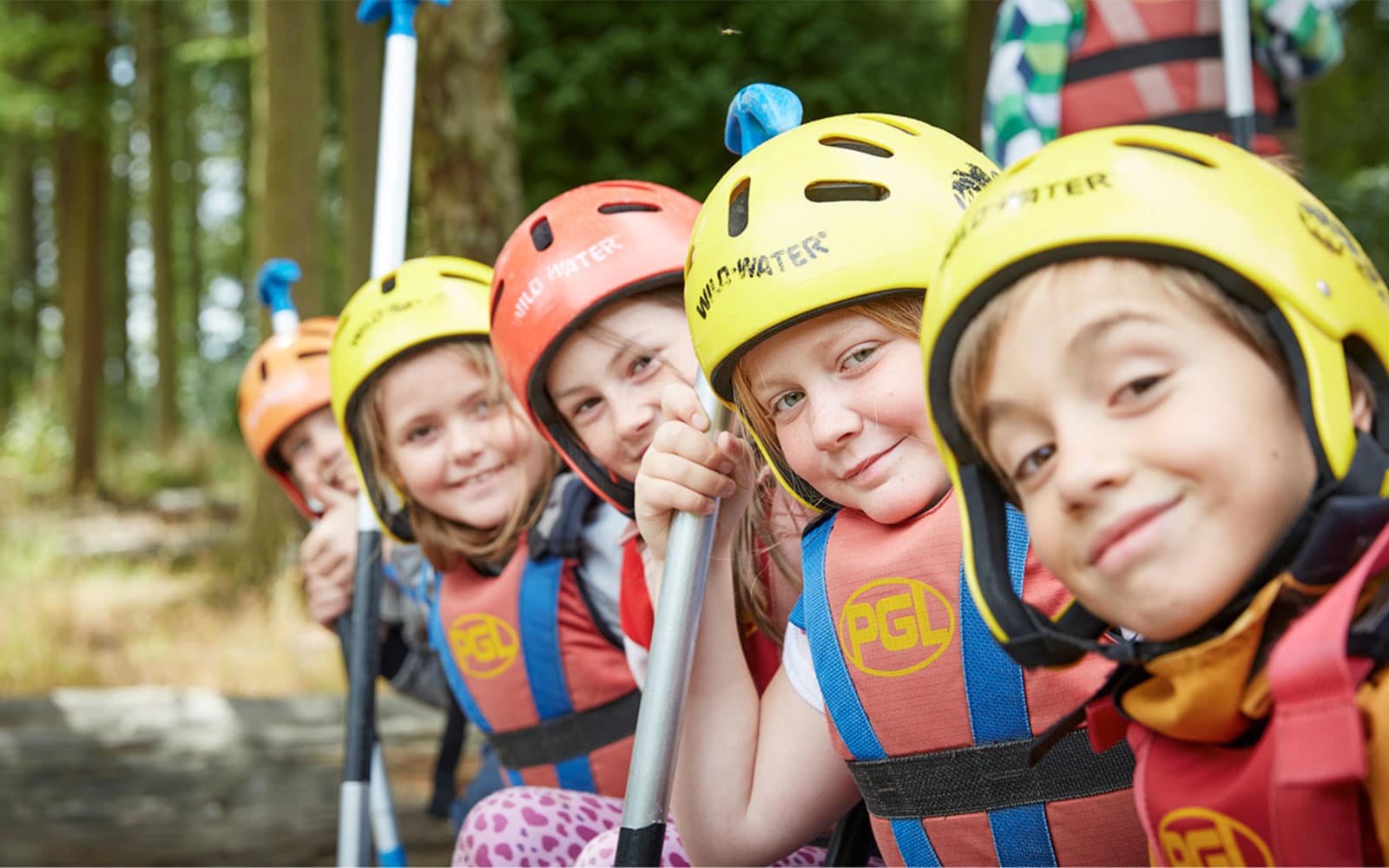
These experiences bring holistic wellness to life. They combine physical activity, social interaction, emotional resilience and intellectual curiosity. That’s why residential trips, adventure days and group activity camps are such powerful tools for wellbeing.
Embrace pupils’ wellbeing with PGL!
At PGL, we know how important it is to support children’s mental and physical well-being. That’s why we’ve created THRIVE!, our dedicated programme designed to help schools incorporate wellbeing exercises into their weekend of fun!
Our THRIVE! programme is built around the core aspects of holistic wellness, and allows children to build confidence through challenges, strengthen social skills in a supportive environment and boost emotional wellbeing through activities that encourage reflection and self-belief.
Teachers and parents often see children return from their THRIVE! Residential trip makes them more confident, independent and more connected to their peers. It’s about giving every child the space and opportunity to flourish, in ways that go far beyond the classroom.
Ready to book your THRIVE! Residential trip? Enquire today to learn more and find the perfect centre for you!