

When we talk about preparing young people for the future, academic achievement is only part of the picture. While subjects like maths, English and science are essential, students also need confidence, resilience and practical abilities to navigate everyday life, learning and work.
This is where life skills for students play a vital role. Life skills help young people manage challenges, communicate effectively, work with others and adapt to new situations, both in and out of school. Increasingly, schools are recognising the importance of developing these skills alongside the curriculum, rather than as an afterthought.
What are life skills?
Life skills are the essential abilities that help people manage everyday life, build positive relationships and approach challenges with confidence and resilience. They are not tied to a single subject or exam but instead support students across all areas of learning and personal development.
For students, life skills influence how they communicate, how they cope with setbacks and how they approach decision making. These skills shape how young people engage in lessons, interact with peers and respond to new or unfamiliar situations.
In simple terms, when people ask what are life skills, the answer is that they are the tools students need to thrive at school, at home and beyond education.
Why life skills matter in education
The importance of life skills in education has become increasingly clear. Schools are not only places of academic learning, but environments where students develop social awareness, emotional resilience and independence.
Strong life skills can help students to:
- Engage more confidently in lessons and discussions rather than holding back
- Build positive, respectful relationships with peers and teachers
- Manage pressure, change and uncertainty more effectively
- Approach challenges with a problem-solving mindset rather than avoidance
Life skills education supports both academic success and emotional wellbeing. When students feel capable and supported, they are better able to focus, participate and make the most of their learning experiences.
Key life skills students develop through skills 4 life
The Skills 4 Life programme supports a wide range of essential life skills that benefit students both during their education and beyond.
Rather than focusing on theory alone, the programme uses carefully structured activities that encourage students to work together, solve problems and reflect on their experiences. This active, experiential approach allows students to practise life skills in situations that feel relevant and engaging.
Communication and teamwork
Students practise sharing ideas clearly, listening actively and working collaboratively towards shared goals. Group challenges help them understand different perspectives, resolve disagreements and recognise the value of everyone’s contribution.
Problem-solving and decision-making
Students are encouraged to think critically when faced with challenges, explore possible solutions and make informed decisions. This helps them build confidence in their judgement and develop a proactive approach to overcoming obstacles.
Resilience and emotional regulation
Activities often involve moments of challenge or uncertainty, helping students learn how to cope with setbacks. Developing emotional regulation supports students in managing stress, frustration and disappointment in a healthy, constructive way.
Self-confidence and independence
By stepping outside their comfort zones and achieving things they may not have thought possible, students build belief in their own abilities. Independence is strengthened as they take responsibility for their actions and choices.
Leadership and responsibility
Students are given opportunities to take initiative, support others and guide group tasks. This helps them develop accountability, reliability and an understanding of how their behaviour impacts those around them.
How life skills support secondary school students
Life skills for secondary school students are particularly important as young people navigate increased academic pressure, changing social dynamics and growing independence.
At this stage, students are developing a stronger sense of identity while also preparing for exams, transitions and future pathways. Life skills help them manage these demands by building confidence, self-awareness and the ability to respond positively to challenge.
For many students, learning life skills through practical experiences can be especially impactful. It allows them to learn by doing, take positive risks and see real progress in their abilities in a relatively short space of time.
How PGL’s Skills 4 Life programme brings these skills to life
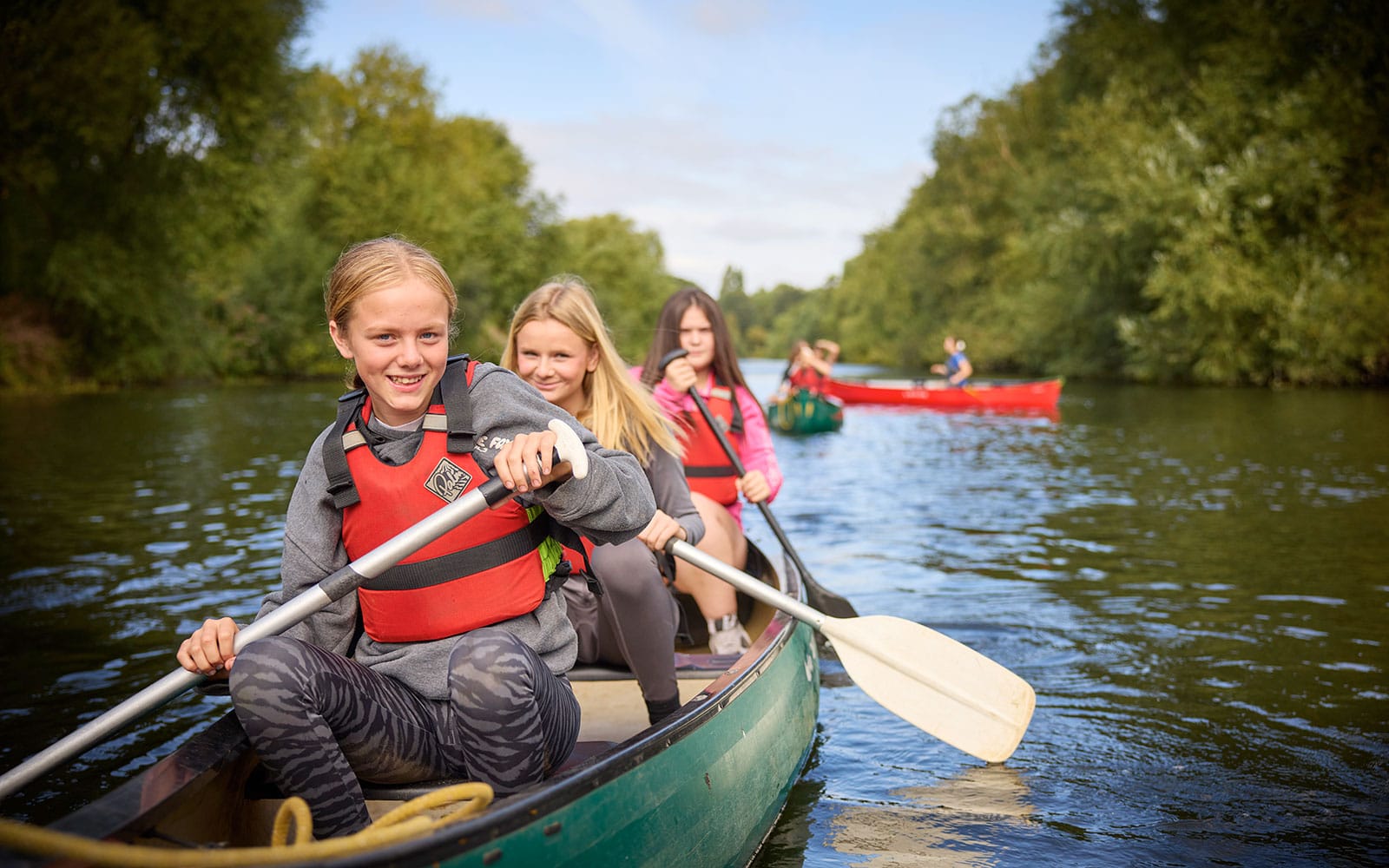
Our new Skills 4 Life programme has been designed to turn essential life skills into meaningful, real-world experiences for secondary school students. Delivered through a structured residential, it gives young people the space to practise communication, teamwork, resilience and problem-solving away from the pressures of the classroom.
Through purposeful outdoor challenges, guided reflection and shared goal-setting, students don’t just learn about life skills – they actively develop them. Each activity is carefully planned to build confidence, encourage collaboration and help students reflect on how they respond to challenge, success and change.
By combining adventure with clear learning outcomes, the programme supports the wider importance of life skills in education. Students return to school more self-aware, motivated and ready to engage, with practical skills they can apply across lessons, relationships and everyday life.
Ready to build life skills beyond the classroom?
If you’re looking to support students with confidence, resilience and independence, PGL’s Skills 4 Life programme offers a practical and engaging way to do just that.
Get in touch to find out more about Skills 4 Life and book your PGL residential experience today.