

For children and young people involved in groups like Scouts, Girlguiding and Youth Groups, learning doesn’t stop when the meeting ends. Group settings play a powerful role in helping young people grow in confidence, build relationships and develop skills they will use throughout their lives.
Alongside badges, activities and adventures, essential life skills sit at the heart of what groups aim to achieve. Skills such as communication, teamwork and resilience help young people get more from group experiences, support others and step forward as confident individuals.
With limited time and a wide range of needs with any group, leaders often look for experiences that offer real value. Life skills are not an added extra; they are the foundations that help young people thrive both within and outside of their groups.
What are essential life skills?
Life skills are the practical, social and emotional abilities young people use in everyday situations. In group settings, these skills are constantly being practised, whether that’s working together on an activity, supporting a peer or taking responsibility for part of the group.
Essential life skills help young people:
- Communicate clearly and confidently
- Work positively as part of a team
- Solve problems together
- Build confidence and self-belief
- Cope with challenge, change and uncertainty
- Take responsibility within a group
- Show leadership and initiative
These skills don’t develop overnight. They’re built through experience – by taking part in activities, facing challenges together and reflecting on what’s been learned along the way. In fact, research shows that when young people develop skills like communication, teamwork, problem solving, it tends to go hand in hand with more favourable job opportunities later in life, as well as a stronger social and emotional wellbeing!
Why do life skills matter?
Youth groups are uniquely placed to support life skills development. The social, hands-on nature of group activities creates natural opportunities for learning that feel relevant, enjoyable and meaningful.
Research consistently shows how important these skills are for young people’s futures.
In fact, 94% of employers say life skills are as important as academic results for young people’s success, though many feel school leavers still lack the skills employers want.
So, why exactly do life skills matter?
Building confident, capable group members
Life skills help young people feel more comfortable participating, sharing ideas and trying new things. Over time, this can lead to:
- Greater confidence during activities and discussions
- Stronger participation across the group
- A willingness to step outside comfort zones
For quieter or less confident group members, developing these skills can be genuinely transformative, helping them feel included and valued within the group.
Strengthening teamwork and relationships
Groups work best when members feel able to communicate openly and support one another. Life skills such as empathy, cooperation and problem-solving help young people to:
- Listen to others and respect different viewpoints
- Resolve challenges constructively
- Build trust and support peers
These skills contribute to a positive group culture where everyone feels welcome, supported and encouraged to take part.
Preparing children for wider life
The benefits of life skills extend far beyond weekly meetings. Experiences that encourage young people to use their voice, manage responsibility, think on their feet or support others help prepare them for future education, work and adult life.
Whether it’s leading a small task, managing time or working through a challenge as a team, these moments help young people build independence and resilience that will serve them well in the years ahead.
The role of youth group leaders in developing life skills
Youth group leaders play a crucial role in helping young people develop essential life skills. Often, this happens through encouragement rather than formal teaching, by creating opportunities for young people to take the lead and learn from experience.
This might include:
- Allowing young people to make decisions during activities
- Encouraging reflection after challenges
- Supporting individuals to step outside their comfort zone
- Creating a safe environment where mistakes are part of learning
These experiences help young people feel trusted and capable. Over time, they begin to take more ownership within the group, supporting others and recognising their own strengths.
How do young people develop life skills on residential trips?
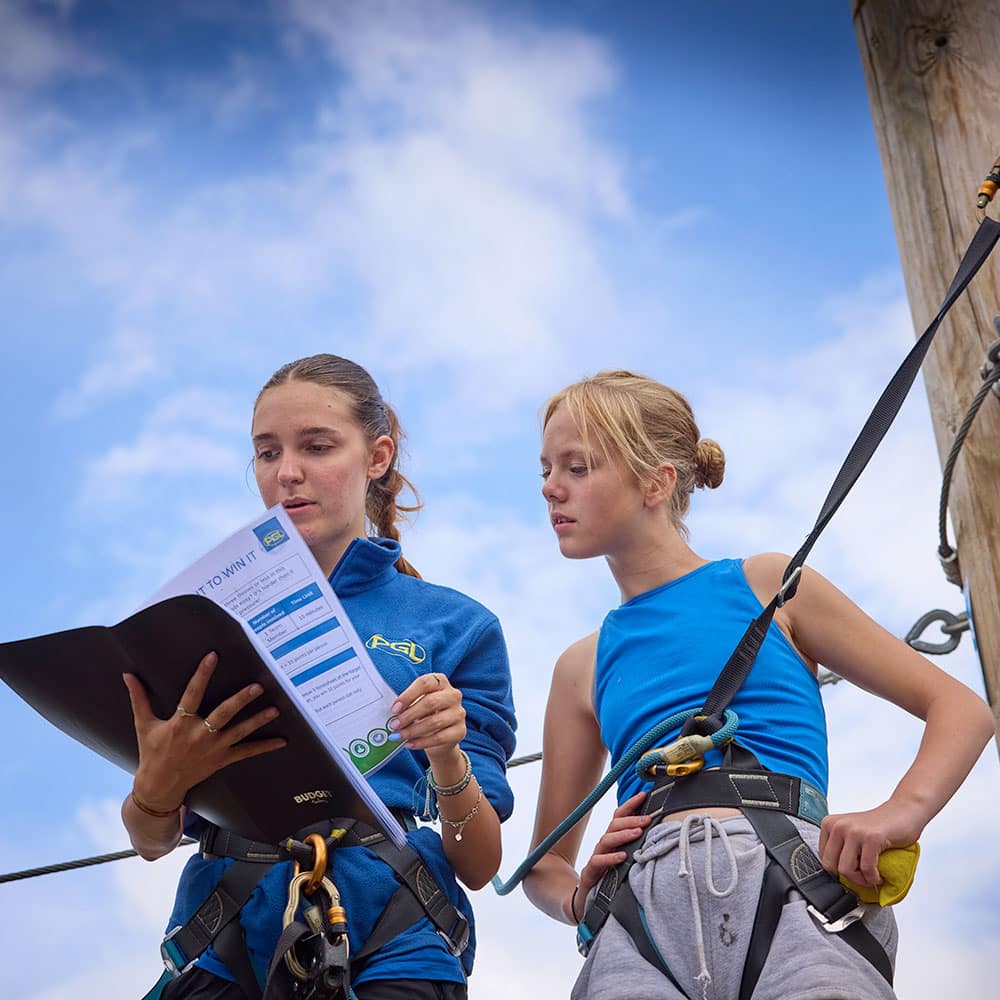
Life skills are often best developed through shared experiences away from everyday routines. Residential trips, whether through Scouts, Girlguiding, sports teams or youth groups, provide a safe and supportive environment for young people to try new things, reflect and grow.
Effective life skills development includes:
- Activities that encourage collaboration and teamwork
- Challenges that require problem-solving and decision-making
- Opportunities for young people to take responsibility
- Time to reflect on what went well and what was learned
When young people are actively involved, learning feels purposeful and closely connected to real-life situations – making the skills they develop more likely to stick.
Book your Skills4Life trip at PGL!
At PGL, we understand how important it is for children and young people to build essential skills outside of school and regular group meetings. That’s why our Skills4Life programme is designed to combine memorable residential experiences with meaningful opportunities to develop key life skills.
Through a balance of fun, challenge and teamwork, young people are encouraged to practise communication, resilience, leadership and problem-solving in a supportive environment.
If you’d like to find out more or book a Skills4Life trip for your group, get in touch with our team – we’ll be happy to help you plan an experience that supports your young people both now and in the future.