

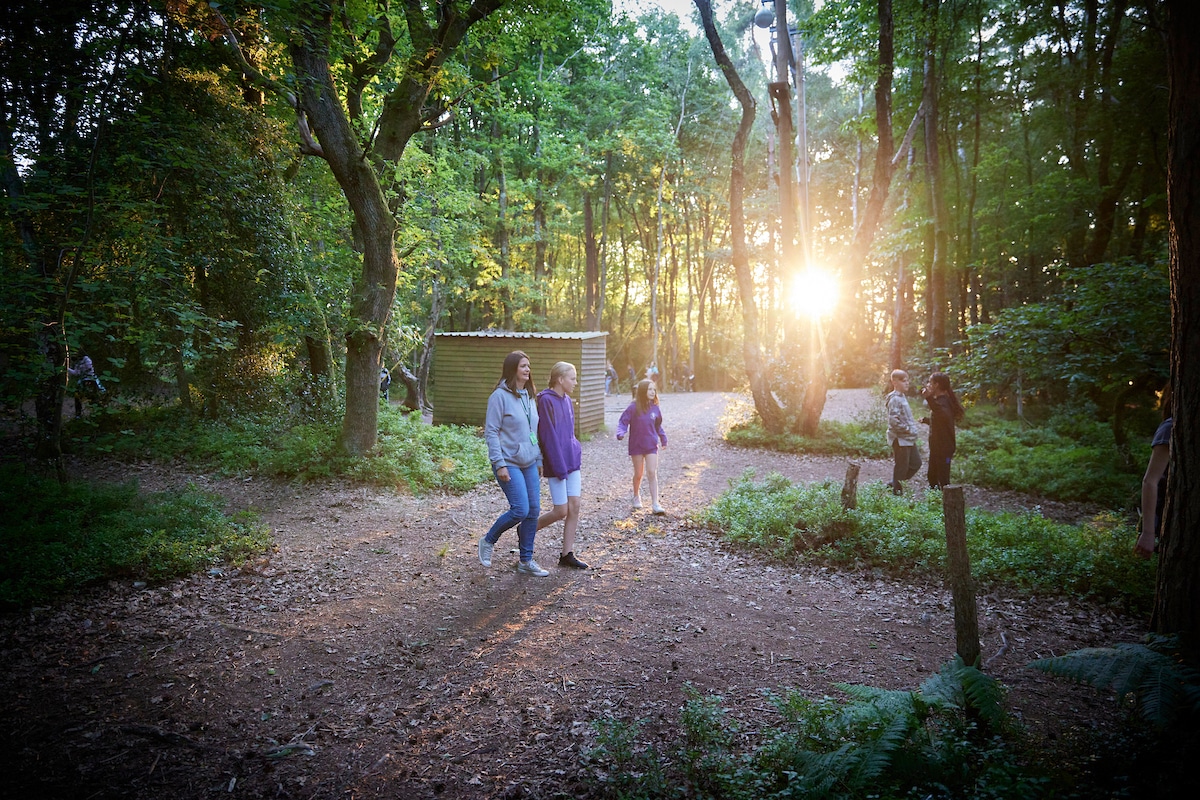
Learning doesn’t just have to happen inside the four walls of a classroom. For secondary school students, stepping outside the transitional learning environment can have a profound impact on both academic success and personal development. Outdoor learning, whether through local excursions or extended residential trips, gives students the chance to engage with real-world experiences, develop practical skills, and build confidence in ways that textbooks just cannot provide.
From boosting problem solving abilities to fostering teamwork, the benefits of outdoor education are increasingly recognised by schools across the country. In this blog, we’ll explore why outdoor learning is vital in secondary education and how secondary school trips can support students’ growth.
What is outdoor learning and why is it important?
Outdoor learning involves key educational activities that take place outside the traditional classroom setting. It can include anything from nature based science lessons and historical site visits to adventure-based challenges and environmental projects.
For secondary students, outdoor learning can help them grow in so many ways. It provides an opportunity to:
- Apply academic examples into practical contexts – Instead of only working through ideas on paper, students get to see how their knowledge applies in the real world. A geography topic becomes more tangible when they’re studying erosion on an actual coastline, and science theories make far more sense when they’re gathering samples or analysing habitats outdoors. This hands-on approach deepens understanding and helps information stick.
- Develop critical thinking and problem-solving skills – Outdoor environments tend to be less predictable than classrooms, which encourages students to think on their feet. Whether they’re navigating a route, completing a team challenge, or investigating a natural process, they learn to analyse situations, make decisions, and adapt their approach. These are skills they carry straight back into their academic work.
- Grow independence and resilience – Being outside the classroom naturally pushes students to take more responsibility for themselves. They may have to plan their approach, manage equipment, or take charge of small tasks that build confidence over time. When things don’t go to plan, which is often part of the learning, students learn how to persevere, reassess, and try again.
- Encourage teamwork and better communication – Outdoors, students often work in groups where success depends on collaboration. They learn how to communicate clearly, listen to others, share responsibilities, and work towards a shared goal. These experiences strengthen relationships and help students understand their role within a team.
Research shows that students who regularly engage in outdoor learning tend to be more motivated, retain information better, and experience increased engagement in their studies. By connecting lessons to real-life experiences, outdoor learning makes education more meaningful and memorable.
Key benefits of outdoor learning for secondary students
The benefits of outdoor education go beyond any academic improvements. Secondary students can gain a wide range of skills and experiences that support their personal and social development.
Educational benefits
- Hands on learning improves their understanding and how they retain information – When students can touch, see, and experience what they’re learning, it naturally becomes easier to grasp. For example, carrying out a river study instead of only reading about water flow gives students a much clearer sense of how processes work in real life. These active, sensory experiences help the information settle more deeply.
- Real world experiences make subjects like science, geography and history more engaging – Visiting historical sites, studying ecosystems outdoors, or exploring rock formations turns abstract topics into something students can genuinely connect with. It gives context to classroom lessons and helps spark interest in subjects they may have struggled with.
- It encourages curiosity and independent learning – Outdoor environments naturally lead to questions and discovery. Students might spot wildlife, notice changes in landscapes, or encounter unexpected challenges, all of which motivate them to explore independently and take greater ownership of their learning.
Personal development
- Builds resilience as students tackle challenges outside of their comfort zone – Activities like climbing, problem-solving tasks, or navigating unfamiliar terrain require students to push through uncertainty or initial frustration. Each success, even small ones, helps them develop a stronger sense of perseverance.
- Builds independence and self-reliance – Students often have to make decisions, manage their equipment, or organise themselves without a teacher prompting every step. These moments help them learn responsibility and trust in their own judgement.
- Boosts confidence and self-esteem through achievement – Whether it’s completing a team challenge, leading a group activity, or simply managing a task better than they expected, outdoor learning gives students plenty of opportunities to realise what they’re capable of.
Social skills
- Encourages teamwork and collaboration – Working through group problem-solving activities requires cooperation. Students learn how to rely on each other and coordinate effectively.
- Develops communication and leadership skills – Outdoor activities often require students to share ideas clearly, delegate roles, and step up when a group needs direction. These real-time interactions help students practise leadership in a natural, supportive way.
- Strengthens friendships with classmates through shared experiences – Facing challenges together, especially ones that are fun, unusual, or exciting, helps students bond. These experiences often bring quieter students out of their shell and help groups form stronger, more positive relationships.
Mental and Physical Health
- Provides opportunities for physical activity and movement – Walking, climbing, navigating trails, and active group tasks help students stay active without it feeling like structured exercise. This physical element can boost mood and energy levels.
- Reduce stress and promote mental well-being – Being outdoors has a calming effect. Fresh air, movement, and a break from screens all contribute to lower stress levels, which is especially valuable during exam years or busy school periods.
- Connects students with nature, which has proven psychological benefits – Even short periods outdoors can improve focus, reduce anxiety, and increase happiness. Students who spend time in natural environments often show improved concentration back in the classroom.
By offering students these experiences, outdoor learning supports growth in multiple areas, preparing them for challenges both inside and outside the classroom.
How schools can maximise outdoor learning opportunities
To get the most out of outdoor learning, schools should:
- Plan diverse experiences – Mix day trips with longer residential trips to cater to different learning objectives
- Align activities with the curriculum – Make sure outdoor experiences reinforce classroom learning
- Prioritise safety and inclusivity – consider accessibility, risk assessments and supervision
- Encourage reflection – Give students time to discuss and reflect on their experiences, linking them back to personal and academic growth
By planning carefully, schools can make sure that outdoor learning is not only enjoyable but also meaningful and impactful for all students.
Bring outdoor learning into students’ studies with PGL!
Outdoor learning is a powerful tool in secondary education. From boosting academic engagement to gaining independence, confidence and social skills, the benefits of outdoor education are tenfold!
Secondary school trips and residential trips provide students with unique opportunities to apply classroom knowledge in real world settings while developing key life skills.
For schools looking to plan memorable and enriching outdoor experiences, explore our range of residential trips for secondary schools and discover how your students can benefit from learning beyond the classroom