

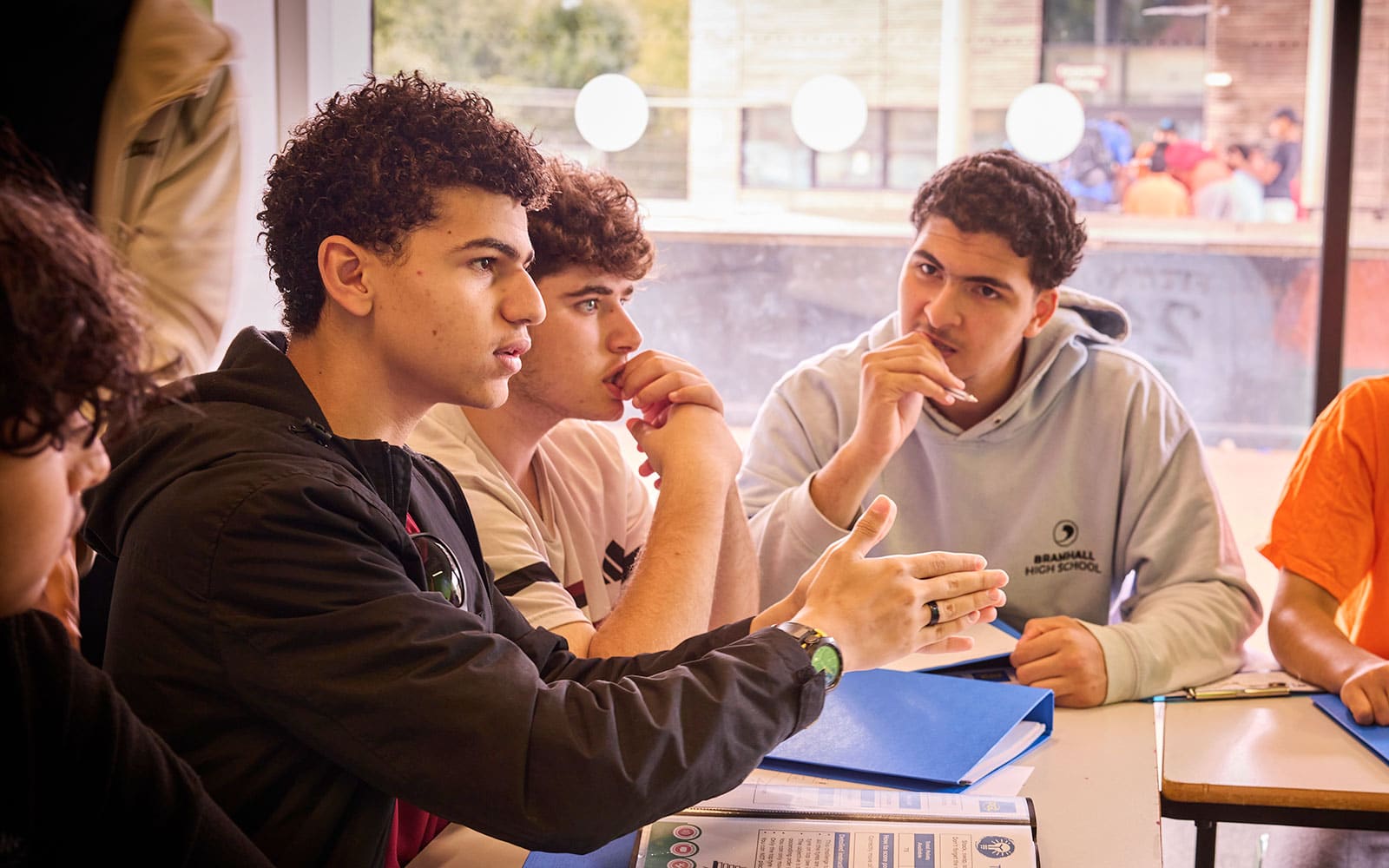
Secondary school is a time of huge change for young people. Alongside academic learning, students are beginning to understand who they are, what they’re capable of, and how they interact with the world around them.
While exam results and subject knowledge play an important role in education, the teenage years are also when many of the skills that shape adulthood begin to develop. Skills like communication, resilience, teamwork, and decision-making help students navigate challenges, build relationships, and grow in confidence.
These abilities don’t just help students in school. They influence how young people approach opportunities, solve problems, and adapt to new situations throughout their lives.
Prioritising life skills during the secondary years gives students the chance to practise these abilities in meaningful ways, helping them feel more prepared for the future, whatever path they choose.
What are life skills?
Life skills are the everyday abilities that help young people deal with real-world situations, work with others, and make informed decisions. They combine social, emotional, and practical skills that support personal development both in and beyond the classroom.
Some of the most important life skills students develop during secondary school include:
- Communication and active listening
Being able to express ideas clearly and listen to others is an essential skill for both school and life. Whether students are presenting in class, contributing to group discussions, or working through disagreements with friends, strong communication helps them share their thoughts with confidence while understanding different perspectives. - Teamwork and collaboration
Many situations in life require people to work together towards a shared goal. Through group activities and collaborative challenges, students learn how to divide responsibilities, support their peers, and combine different ideas to reach a solution. - Problem solving and critical thinking
Real-world challenges rarely come with straightforward answers. Developing problem-solving skills helps students analyse situations, consider different approaches, and make thoughtful decisions when faced with obstacles. - Leadership and decision-making
Leadership isn’t just about taking charge. It’s also about encouraging others, making fair decisions, and helping a group move forward. Opportunities to lead small teams or guide group tasks allow students to build confidence while learning how their decisions affect others. - Emotional awareness and resilience
Learning how to manage emotions, cope with setbacks, and remain positive when things don’t go to plan is an important part of growing up. Developing emotional awareness helps students understand their reactions and respond to challenges in a more constructive way. - Time management and organisation
As school responsibilities increase, students begin to juggle homework, extracurricular activities, and social commitments. Learning how to prioritise tasks and manage time effectively helps them stay organised and reduces unnecessary stress.
While these skills develop gradually, having opportunities to practise them in real situations helps students understand how they apply beyond the classroom.
Why secondary school is the ideal time to develop life skills
The secondary school years sit right at the centre of a young person’s transition from childhood to adulthood. Students are gaining independence, forming stronger friendships, and starting to think about their future pathways.
At this stage, young people benefit greatly from experiences that help them:
- Discover their strengths and interests
Trying new activities allows students to see what they enjoy and where their natural strengths lie. Some may realise they enjoy leading a team, while others may find confidence in creative thinking or problem solving. - Build confidence in social situations
Working with new groups or taking part in shared challenges helps students step outside their usual friendship circles. These experiences encourage them to speak up, share ideas, and develop confidence around others. - Learn how to manage responsibility
As students move through secondary school, expectations gradually increase. Taking responsibility for tasks, supporting teammates, or contributing to a shared goal helps them understand accountability. - Understand the impact of their actions
Team-based experiences often show students how their choices affect others. Whether they support a teammate or solve a group challenge together, these moments highlight the importance of cooperation and mutual respect.
Because students are still exploring who they are and how they interact with the world, this stage of education provides the perfect opportunity to strengthen life skills alongside academic learning.
The long-term benefits of life skills education
When schools prioritise life skills, the benefits extend far beyond the classroom. These abilities support students throughout further education, employment, and everyday life.
Developing life skills helps students feel more capable when faced with unfamiliar situations. Whether it’s speaking in front of a group, making decisions independently, or tackling a new challenge, each experience gradually builds self-belief.
For many young people, confidence grows when they realise they can overcome obstacles with the support of their peers.
Stronger communication and collaboration
Communication is one of the most valuable skills students can develop, and it becomes especially important when working in teams.
Through collaborative experiences, students learn how to:
- Share ideas clearly and respectfully
Group discussions encourage students to express their thoughts while also considering the perspectives of others. - Listen actively and respond thoughtfully
Good communication isn’t just about speaking. It’s also about understanding what others are saying and responding constructively. - Resolve disagreements in a positive way
When working closely with others, differences in opinion are inevitable. Learning how to discuss challenges calmly and find compromises is a skill that benefits students long after school.
Over time, these experiences help young people understand how effective communication supports successful teamwork.
Better problem solving and critical thinking
Life skills education encourages students to think beyond simple right or wrong answers. Instead, they learn to approach challenges with curiosity and creativity.
This might involve:
- Working together to overcome a complex challenge that requires planning and teamwork
- Testing different solutions when the first idea doesn’t work
- Reflecting on what could be improved next time
By exploring different approaches, students develop the confidence to tackle problems independently rather than relying on step-by-step instructions.
Improved emotional resilience
The secondary years can be full of highs and lows, from academic pressure to changing friendships. Developing emotional resilience helps students manage these experiences more positively.
Learning resilience often comes through situations where things don’t go exactly as planned. Whether a team challenge proves difficult or a group needs to rethink their strategy, these moments teach students that setbacks are a normal part of learning.
Over time, this mindset helps young people remain calm under pressure and approach challenges with determination rather than frustration.
Greater employability in the future
Employers increasingly look for transferable skills alongside qualifications. Abilities such as teamwork, adaptability, and communication play a huge role in how individuals succeed in the workplace.
Students who have had opportunities to practise these skills during school often feel more prepared when moving into further education, apprenticeships, or their first job.
They’re also more comfortable collaborating with others, adapting to new environments, and contributing ideas with confidence.
Why experiential learning makes such a difference
Life skills are rarely developed through theory alone. Students understand these abilities best when they are able to practise them through real experiences.
Experiential learning creates situations where students must work together, think creatively, and support one another to reach a goal. These environments often encourage students to step outside their usual roles and discover new strengths.
For example, a student who may be quiet in the classroom might take the lead during a practical challenge, while another might discover they are particularly good at encouraging and motivating others.
Because these experiences involve reflection and teamwork, they often leave a lasting impression and help students understand the value of the skills they are developing.
Preparing young people for an unpredictable future
The world students will enter after school is constantly changing. New technologies, evolving industries, and global challenges mean that adaptability and problem-solving are becoming increasingly important.
Life skills help students feel more prepared for this uncertainty. Rather than relying only on subject knowledge, they learn how to approach unfamiliar situations with curiosity, resilience, and confidence.
By developing these abilities early, students gain the mindset needed to continue learning and adapting throughout their lives.
Support your students’ development with PGL’s Skills4Life programme
Helping students develop life skills becomes far more meaningful when they can practise them through shared experiences.
That’s exactly what the Skills4Life programme at PGL is designed to do.
Through a range of outdoor challenges and collaborative activities, students are encouraged to work together, step outside their comfort zones, and reflect on the skills they’re developing along the way.
If you’re looking for a way to support personal development alongside academic learning, the Skills4Life programme offers a practical and engaging way for students to build the skills that matter most for the future.
Explore the programme or get in touch and see how we can support your students.