

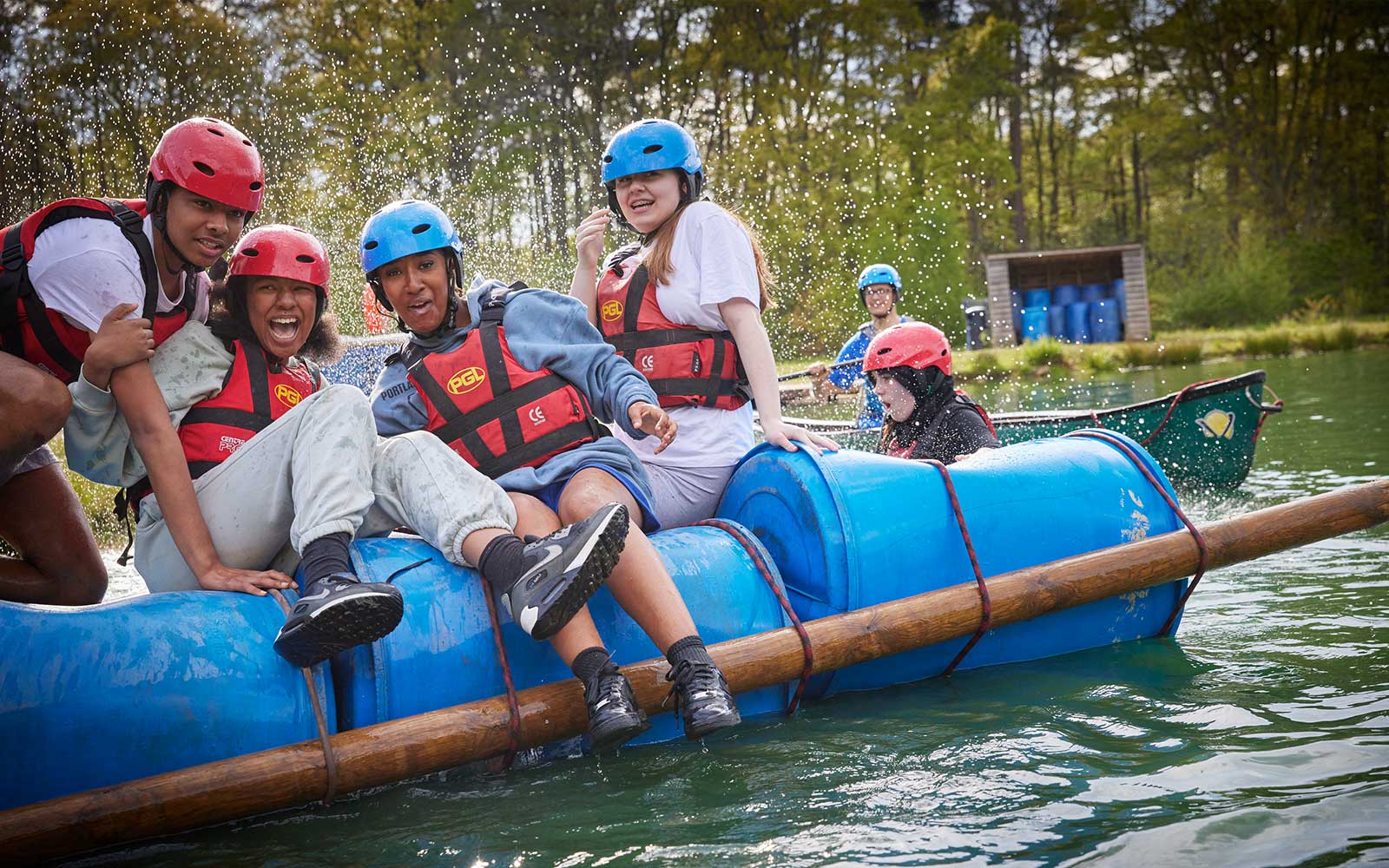
Secondary school is a time when young people are developing not just academically, but socially and emotionally too. While lessons in the classroom play an important role, experiences outside the usual school routine can help pupils grow in different ways.
Team-based challenges are a great example of this. When students work together to solve problems, support one another, and reach a shared goal, they start to develop skills that will help them throughout school and well beyond it. These activities give pupils the chance to communicate, think creatively, and learn how to work with people who may approach things differently from them.
Here are some of the key life skills that team-based challenges can help secondary pupils build.
Helping pupils communicate and listen to each other
Good communication sits at the heart of any successful team. During group challenges, pupils quickly realise that sharing ideas and listening carefully to others makes a real difference to how well they work together.
Some students naturally take the lead in discussions, while others may need a little encouragement to speak up. Team activities create a supportive environment where everyone has the chance to contribute, whether that’s suggesting a solution, asking questions, or helping the group understand a task.
Over time, these experiences help pupils feel more comfortable:
- Sharing their ideas with others
Pupils learn that speaking up can help the group move forward. For instance, a student who notices a quicker route through an obstacle course or a smarter way to approach a challenge might suggest it to the group. Even small contributions like this help build confidence in expressing thoughts clearly. - Listening to different viewpoints
In many challenges, the first idea isn’t always the best one. Pupils begin to see the value of hearing everyone’s suggestions before making a decision. Listening carefully can lead to better solutions and help students understand how different perspectives can strengthen a team. - Explaining their thinking clearly
Sometimes, pupils need to guide teammates through a plan or explain how something works. Practising this kind of clear explanation helps students organise their thoughts and communicate instructions in a way others can easily follow.
These skills can support everything from classroom group work to presentations and future careers.
Giving pupils the chance to step into leadership roles
Team challenges often bring out leadership qualities in unexpected ways. While some pupils may naturally guide the group, others may step up by organising tasks, encouraging teammates, or suggesting practical ideas.
What’s important is that pupils start to see leadership as something more than simply being “in charge”. It can also mean supporting others, helping the team stay motivated, and making sure everyone feels included.
Through these experiences, pupils begin to understand that good leaders often:
- Listen to others before making decisions
Effective leadership often starts with understanding what everyone in the group thinks. Pupils learn that taking a moment to gather ideas from teammates can lead to stronger decisions and help everyone feel involved. - Help their team stay focused on a shared goal
During longer challenges, teams can sometimes lose direction or become frustrated. Students who take on leadership roles often help bring the group back to the task by reminding everyone of the goal and suggesting the next step. - Encourage and support people when things feel difficult
Leadership also means recognising when a teammate needs encouragement. A simple comment like “we’ve nearly got it” or “let’s try again together” can keep the group motivated and working positively.
For many pupils, discovering these qualities in themselves can be a real confidence boost.
Encouraging problem solving and creative thinking
Many team challenges are built around solving problems together. Pupils might need to work out the best way to approach a task, test different ideas, or rethink their strategy if something doesn’t go to plan.
Working through these situations as a group encourages students to think more creatively. Instead of looking for a quick answer, they learn to explore different possibilities and combine ideas.
This helps pupils develop skills such as:
- Breaking problems down into manageable steps
Large challenges can feel overwhelming at first. Pupils learn to tackle them by focusing on one stage at a time, whether that means planning the first move, assigning roles, or testing a small part of their strategy before moving forward. - Thinking creatively about possible solutions
Some activities require pupils to think outside the box. A group might experiment with different ways to balance equipment, move across a space, or use limited resources to achieve their goal. - Adapting their approach when something isn’t working
One of the most valuable lessons comes when the original plan doesn’t succeed. Instead of giving up, pupils learn to adjust their approach, build on what they’ve already tried, and find another way forward.
These kinds of thinking skills are useful across many subjects and everyday situations.
Building resilience when things don’t go to plan
Not every challenge is solved straight away, and that’s part of what makes these experiences so valuable. When a team faces an obstacle or when something doesn’t work the first time, pupils learn that perseverance really matters.
Trying again, adjusting their approach, and supporting each other along the way helps students build resilience. Instead of seeing setbacks as failures, they start to understand that they’re simply part of the process of learning something new.
Through these moments, pupils learn how to:
- Stay positive when things feel challenging
Activities sometimes take several attempts before a team succeeds. Pupils learn to stay focused and optimistic rather than becoming discouraged. - Encourage teammates who may be struggling
When one member of the team finds something difficult, others often step in to offer support, share ideas, or help them try again. - Keep working towards a goal even when it takes time
Persevering through challenges teaches pupils that progress doesn’t always happen immediately. Patience and determination often lead to the most rewarding outcomes.
These lessons can stay with students long after the activity itself is over.
Strengthening trust and teamwork
Trust is a key part of any strong team. Many challenges require pupils to rely on one another, whether that’s sharing responsibilities, offering encouragement, or working together to complete a task.
As pupils spend time tackling challenges together, they begin to recognise each other’s strengths and appreciate the different ways people contribute to the group.
This can help students develop a better understanding of:
- How teamwork leads to stronger results
Pupils quickly see that working together often leads to better outcomes than trying to complete tasks individually. - The value of supporting others
Simple acts like encouraging a teammate, sharing ideas, or helping someone overcome a tricky moment all contribute to the team’s success. - How different strengths can complement one another
Some pupils may excel at planning, others at problem solving, and others at motivating the group. Learning to recognise and value these strengths helps teams work more effectively.
These shared experiences often strengthen friendships and help pupils feel more connected to their peers.
Helping pupils grow in confidence
Trying new activities as part of a team can help pupils push beyond their comfort zones in a supportive way. When students realise they can overcome challenges, contribute ideas, or help their team succeed, it builds a real sense of achievement.
This confidence often carries over into other areas of school life. Pupils who feel more confident in themselves may be more willing to:
- Take part in discussions
Students who have practised sharing ideas in team challenges often feel more comfortable speaking up in class. - Try new opportunities
Experiences that encourage pupils to step outside their comfort zones can make them more open to new activities, clubs, or responsibilities at school. - Work collaboratively with different groups of people
Team challenges often bring together pupils who might not normally work together, helping them build confidence when interacting with new peers.
Even small successes during these challenges can make a big difference to how pupils see their own abilities.
Support life skills and development for pupils with PGL
Team-based challenges give secondary pupils the chance to practise essential life skills in a way that feels active, engaging, and memorable. When students work together to solve problems, support one another, and overcome obstacles, they begin to develop the confidence, resilience, and teamwork skills that will benefit them throughout school and beyond.
At PGL, we’ve designed our PGL Skills4Life programme to help schools bring these kinds of experiences to life. The programme focuses on building key personal and social skills through structured group challenges and outdoor activities that encourage students to collaborate, communicate, and step outside their comfort zones.
For teachers, Skills4Life offers a structured way to support pupils’ personal development while giving them a memorable experience they’ll talk about long after the trip is over. By combining adventure with purposeful learning, the programme helps students build the teamwork, leadership, and resilience skills that will support them both in school and in the future.
Ready to help our pupils develop skills outside the classroom? Get in touch with us today to find out more!