

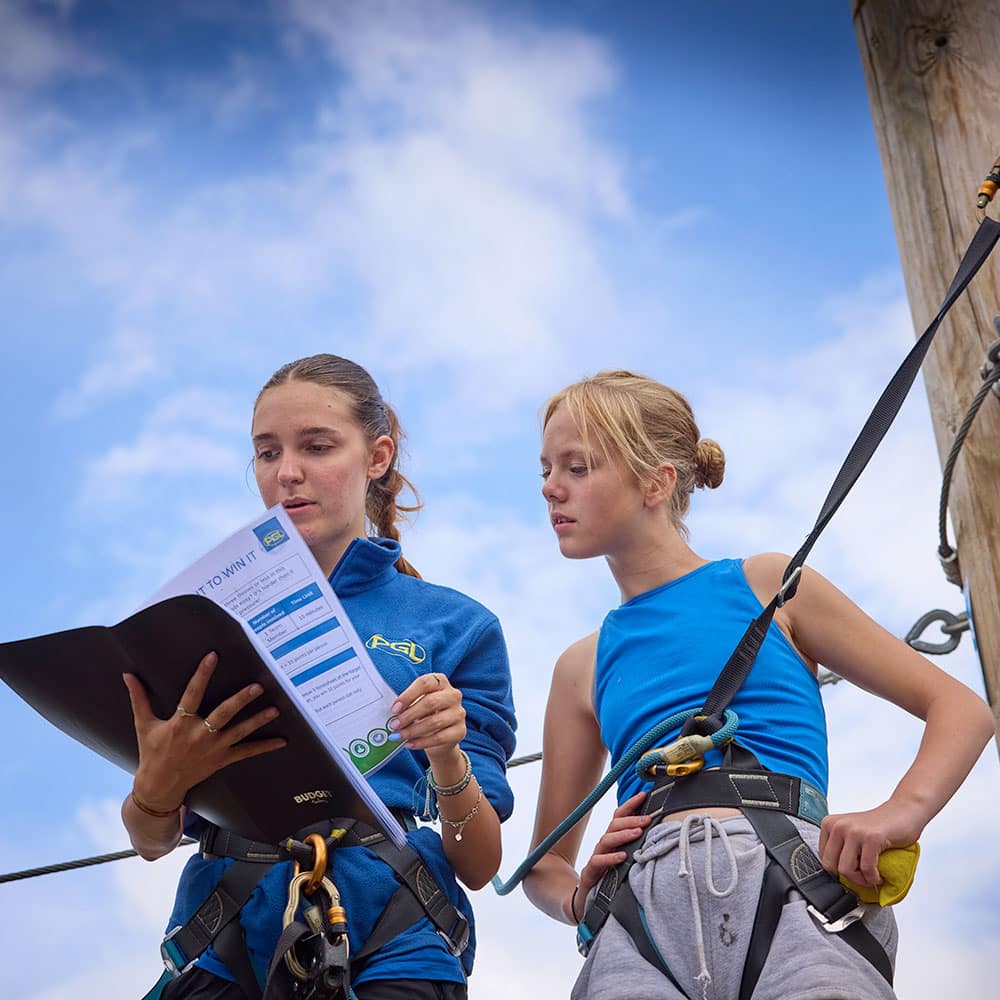
Adventure activities are much more than thrilling experiences; they’re a unique opportunity for young people to develop essential life skills in an engaging, hands-on environment. These activities encourage participation, challenge, and reflection, helping participants grow in ways that are hard to replicate in classrooms or at home.
From developing independence and confidence to honing teamwork, resilience, and practical problem-solving, adventure activities provide young people with real-world learning opportunities. By taking part in carefully designed challenges, they gain life skills for young people that can benefit them throughout school, work, and personal life.
This guide explores the key benefits of adventure activities, how they support skill development, and why these experiences are so valuable for young people’s growth.
What Are Adventure Activities for Young People?
Adventure activities encompass outdoor and challenge-based experiences that are designed to push participants slightly beyond their comfort zones while still being safe and supportive.
Common examples include:
- Climbing, High Ropes, and Zip-Lines: Develop physical courage, trust, and self-confidence. Confronting heights or speed encourages young people to manage fear and build mental strength.
- Kayaking, Canoeing, or Raft Building: Requires teamwork, planning, and problem-solving, as participants learn to coordinate paddling, navigate waterways, and respond to changing conditions.
- Orienteering and Navigation Challenges: Encourage decision-making, spatial awareness, and independence while teaching practical skills like map reading and route planning.
- Team-Based Obstacle Courses or Problem-Solving Challenges: Help young people collaborate, communicate, and negotiate to achieve shared goals.
What makes these activities particularly effective is that participants learn through experience. They are actively applying skills rather than simply being told what to do, making the lessons more memorable and transferable.
Why Adventure Activities Are Effective for Skill Development
The reason adventure activities for young people are so effective is that they combine experience, emotion, and reflection. Rather than being told how to develop a skill, young people experience situations where those skills are needed.
This type of learning is often more impactful because:
- It feels meaningful and relevant in the moment
- It encourages active participation rather than passive listening
- It creates memorable experiences that are easier to reflect on later
For example, completing a team challenge requires communication, patience, and problem-solving all at once. Because these skills are used in a real situation, they tend to develop more naturally and stick over time.
This is why the benefits of adventure activities often extend beyond the activity itself, supporting long-term personal growth.
Building Confidence and Independence
Confidence and independence are core life skills for young people, and adventure activities provide structured opportunities to develop both.
Being in a new environment, facing physical and mental challenges, and taking responsibility for their actions helps young people realise what they are capable of achieving.
Examples include:
- Trying New Activities for the First Time: Overcoming initial fear when climbing, kayaking, or tackling a ropes course demonstrates that they can step outside their comfort zone.
- Making Decisions Independently: Choosing how to approach a challenge or navigate a course encourages critical thinking and self-reliance.
- Managing Personal Responsibility: Organising kit, keeping track of schedules, and preparing for tasks builds ownership and accountability.
- Reflecting on Achievements: Celebrating personal milestones, such as completing a difficult task, reinforces a sense of competence and self-belief.
Through these experiences, young people gain a stronger sense of self, which directly impacts decision-making, motivation, and resilience in everyday life.
Developing Teamwork and Communication Skills
Adventure activities are often designed to be completed in groups, making teamwork and communication essential. These are foundational life skills that extend into school, sports, and social situations.
How young people develop these skills:
- Collaborating to Reach a Shared Goal: Team challenges require participants to listen, plan, and contribute, demonstrating how individual effort impacts group success.
- Negotiating Roles and Responsibilities: Assigning tasks like navigating, timing, or problem-solving teaches negotiation, delegation, and compromise.
- Supporting and Encouraging Peers: Encouraging a teammate during a high ropes challenge or celebrating group achievements fosters empathy, trust, and positive leadership.
- Adapting Communication Styles: Learning to explain ideas clearly, ask for help, or listen actively in dynamic situations builds flexible communication skills.
By practising these skills in immersive situations, young people develop social intelligence, cooperation, and emotional awareness, which are critical for life beyond adventure activities.
Encouraging Resilience and a Positive Mindset
Resilience, the ability to persevere in the face of challenges, is a key life skill for young people, and adventure activities provide the perfect environment to practise it.
Challenges are an inherent part of adventure activities, whether it’s mastering a climbing wall, navigating through an unfamiliar route, or completing a timed group task.
They develop resilience through:
- Overcoming Setbacks: Failing at a challenge or struggling with an activity teaches that mistakes are part of learning and reinforces perseverance.
- Reattempting Tasks: Being encouraged to try again fosters determination and a growth mindset, showing young people that effort leads to improvement.
- Managing Uncertainty: Outdoor or physical challenges often involve unpredictable elements, helping young people develop adaptability and composure.
- Reflecting on Challenges: Post-activity discussions allow participants to analyse what went well, what could improve, and how to approach similar situations differently.
These experiences directly support problem-solving, stress management, and self-confidence in real-world contexts.
Developing Practical and Transferable Life Skills
Adventure activities are a practical training ground for life. Young people gain skills they can transfer directly into everyday situations, from organising their schoolwork to making independent decisions.
Examples of practical life skills developed include:
- Problem-Solving and Critical Thinking: Navigating a course, deciphering a puzzle, or planning a group task encourages logical thinking and solution-focused strategies. Young people learn how to evaluate options and make effective decisions.
- Time Management and Organisation: Completing tasks within a set timeframe, preparing equipment, and coordinating with peers teaches young people how to manage their time, plan ahead, and prioritise.
- Leadership and Initiative: Taking responsibility for a group task or guiding peers through a challenge helps participants build confidence in leading, motivating, and supporting others — vital skills for school leadership roles and beyond.
- Risk Awareness and Decision-Making: Adventure activities involve safely assessing challenges. Young people learn to judge their own capabilities, make calculated decisions, and understand the consequences of their actions.
By learning these skills actively in a supportive environment, young people can see their practical value and are more likely to apply them in school, hobbies, and future life situations.
Supporting Physical and Mental Wellbeing
Adventure activities also promote physical and mental wellbeing, which is closely linked to effective life skills. Healthy minds and bodies support focus, emotional regulation, and the ability to take on challenges confidently.
Through adventure activities, young people benefit from:
- Regular Physical Activity: Climbing, hiking, kayaking, and team challenges improve strength, coordination, stamina, and overall fitness, reinforcing the habit of active living.
- Time Spent Outdoors: Nature exposure reduces stress, enhances mood, and supports cognitive function. Being outside also encourages mindfulness and appreciation for the environment.
- Mental Engagement: Problem-solving, planning, and adapting to challenges stimulate thinking and strengthen executive function skills.
- Social Connection: Working, laughing, and celebrating achievements with peers builds a sense of belonging, which is crucial for emotional wellbeing and confidence.
Adventure activities show young people that taking care of their physical, mental, and social wellbeing is a life skill in itself, underpinning success in other areas.
Why These Experiences Matter Beyond the Activity
Adventure activities are far more than one-off experiences. When young people engage in challenges, teamwork, reflection, and skill-building, they develop a portfolio of life skills that lasts far beyond the activity:
- Confidence and Independence: Believing in themselves and taking initiative.
- Teamwork and Communication: Collaborating effectively in diverse settings.
- Resilience and Problem-Solving: Persisting through setbacks and thinking critically.
- Leadership and Decision-Making: Taking responsibility and guiding others.
- Wellbeing Awareness: Balancing physical, social, and emotional health.
By combining challenge, support, and reflection, adventure activities help young people approach life with capability, curiosity, and confidence.
Discover PGL’s Skills4Life Programme
For schools and groups looking to support young people’s development through meaningful experiences, our Skills4Life programme is designed to do exactly that.
By combining adventure activities with structured learning outcomes, the programme helps young people build confidence, resilience, and essential life skills in a supportive environment.
Through a wide range of activities and guided experiences, Skills4Life focuses on developing:
- Communication and teamwork
- Leadership and independence
- Problem-solving and resilience
- Confidence in new situations
Explore our Skills4Life programme and see how it can help set young people up for success!