

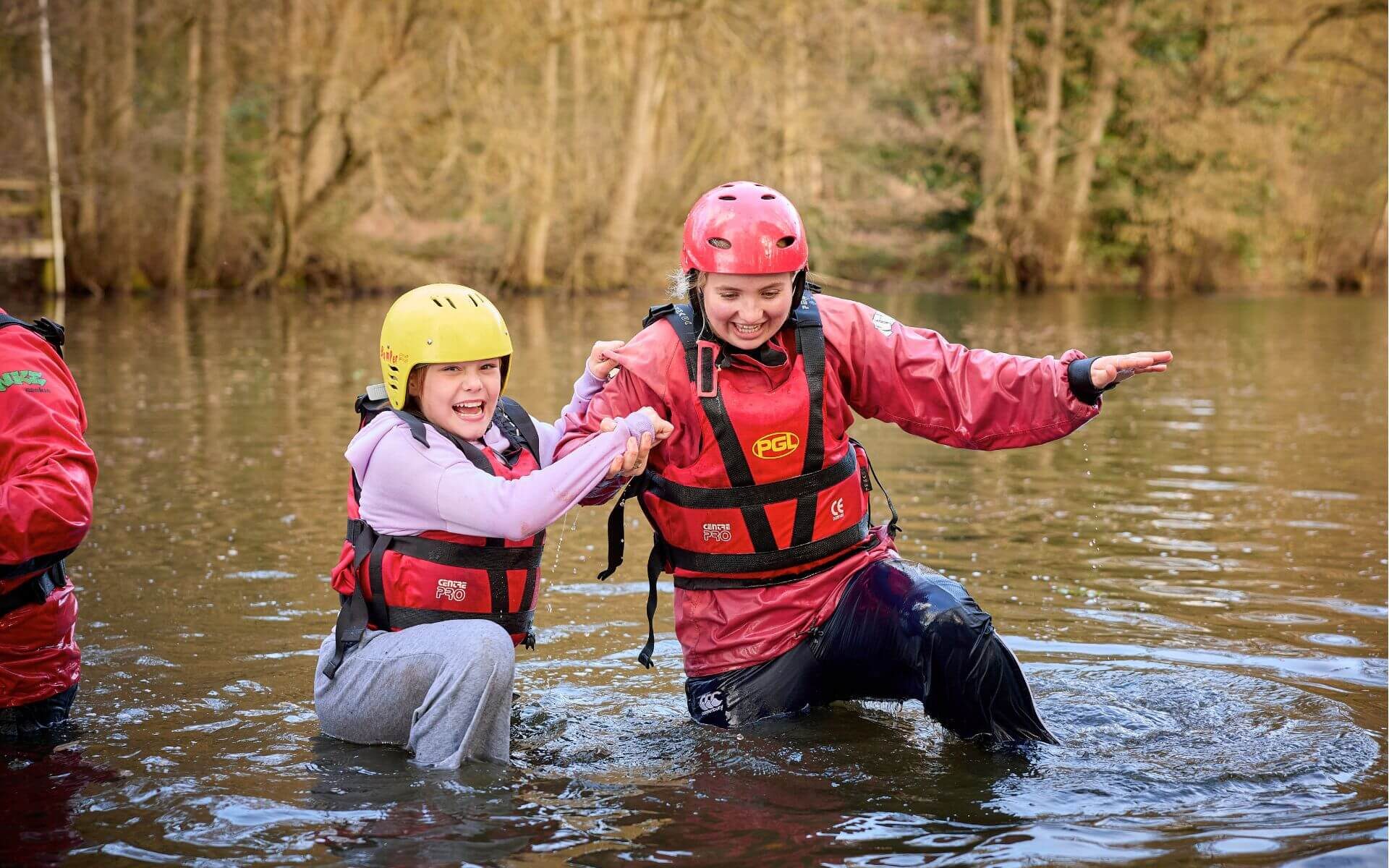
Planning a residential trip is a big responsibility, especially when ensuring every student, including those with additional needs, is fully supported.
For teachers organising inclusive trips, understanding what SEND support on school trips looks like in practice can make the process far more manageable. From pre-trip planning to on-site delivery, the right provider will work alongside you to ensure every student can take part confidently.
This guide outlines what to expect from SEND residential trips support, how providers meet individual needs, and the practical support available for teachers throughout the process.
What does SEND actually mean?
Before choosing a club or group, it helps to understand the terminology you might come across.
SEND stands for Special Educational Needs and Disabilities. It refers to children and young people who have learning difficulties or disabilities that make it harder for them to learn compared to others their age.
This could include challenges with:
- Communication and interaction (e.g. autism, speech and language needs)
- Cognition and learning (e.g. dyslexia)
- Social, emotional and mental health
- Physical or sensory needs
You may also see:
- SEN (Special Educational Needs) – focuses on learning difficulties
- SEND provision – the additional support put in place to help children access learning or activities
In practical terms, SEND provision means adapting environments, activities, and support so every child can take part fully.
What is SEND support on school trips (quick answer)
SEND support on school trips refers to the adaptations, staffing, and planning put in place to ensure students with Special Educational Needs and Disabilities can fully participate in residential experiences.
This includes:
- Pre-trip planning tailored to individual needs
- Adapted activities and flexible delivery
- Additional staffing or 1:1 support
- Accessible accommodation and facilities
- Ongoing communication between schools and providers
What support should teachers expect before a SEND residential trip?
Strong SEND provision starts well before students arrive on site.
Pre-trip planning and communication
A good provider will work closely with teachers to understand each student’s needs in detail.
This often includes:
- Information gathering through forms or planning calls
- Discussions around EHCPs or individual support plans
- Clear identification of medical, behavioural, or sensory needs
This stage ensures there are no surprises and that support is built in from the start.
Tailored trip planning
Providers should adapt the experience based on your group’s requirements.
This can involve:
- Adjusting activity schedules
- Allocating additional staff
- Planning quieter sessions or alternative options
- Identifying suitable accommodation
For teachers, this level of planning is key to feeling confident that every student will be supported.
What SEND support is available during the trip?
Once on-site, SEND support becomes more visible through staffing, delivery, and environment.
Trained staff and activity instructors
Experienced staff are central to successful SEND residential trips support.
You should expect:
- Staff trained in supporting a range of needs
- Clear communication styles adapted to students
- Confidence in managing behaviour and emotional needs
Adapted and flexible activities
Inclusive residentials don’t take a one-size-fits-all approach.
Instead, activities are adapted so all students can take part, for example:
- Breaking tasks into smaller, manageable steps
- Offering alternative ways to participate
- Adjusting pace and challenge levels
This ensures students are included without feeling overwhelmed.
Additional support and supervision
Depending on needs, providers may offer:
- Higher staff-to-student ratios
- Dedicated support staff
- Collaboration with school staff for consistency
This is a key part of support for teachers on SEND school trips, helping reduce pressure on school staff.
Accessible environments and facilities
The physical environment plays a big role in inclusion.
Look for:
- Step-free access where required
- Accessible accommodation and bathrooms
- Quiet or sensory-friendly spaces
These adjustments help students feel comfortable and supported throughout their stay.
How providers work with teachers during the trip
SEND support isn’t just about students—it’s about supporting teachers too.
Ongoing communication
Good providers maintain clear, consistent communication throughout the trip.
This includes:
- Daily briefings or check-ins
- Updates on student progress or concerns
- Flexibility to adjust plans if needed
Shared responsibility
While teachers remain responsible for their students, providers should act as partners.
This means:
- Supporting activity delivery
- Helping manage group dynamics
- Providing reassurance and practical assistance
For many teachers, this partnership is what makes residentials feel manageable rather than overwhelming.
What happens if a student needs additional support?
Even with planning, situations can arise during a trip.
A strong SEND provider will have clear processes in place, such as:
- Adjusting activities in real time
- Offering alternative options
- Providing one-to-one support where possible
- Communicating quickly with teachers
This flexibility is essential to ensuring every student remains included.
Benefits of SEND residential trips for students
With the right support in place, residential trips can have a lasting impact.
Students with SEND can:
- Build independence in a structured environment
- Develop confidence through new experiences
- Strengthen social and communication skills
- Take part in activities they may not usually access
These outcomes highlight why accessible, inclusive trips are so valuable.
Benefits for teachers leading SEND school trips
It’s not just students who benefit—teachers do too.
With strong support for teachers on SEND school trips, you can expect:
- Reduced planning pressure through provider collaboration
- Greater confidence in delivering inclusive experiences
- Support with behaviour and engagement
- A more positive, manageable trip overall
What to look for in a SEND residential trip provider
Before booking, it’s important to choose a provider that can deliver meaningful SEND support.
Key things to check:
- Do they clearly explain their SEND provision?
- Do they offer pre-trip planning and consultation?
- Are activities adaptable for different needs?
- Are staff trained and experienced in SEND support?
- Do they provide support for teachers during the trip?
If these elements are in place, you’re more likely to have a successful and inclusive experience.
How PGL supports SEND residential trips
PGL’s inclusive adventure programmes are designed to provide comprehensive SEND residential trips support for both students and teachers.
Their approach includes:
- Detailed pre-visit planning to understand individual needs
- Experienced staff trained in inclusive delivery
- Adaptable activities to support full participation
- Supportive staff ratios for additional care
- Accessible facilities across centres
For teachers, this means having a trusted partner who understands the importance of SEND provision and works with you every step of the way.
Whether you’re planning your first inclusive residential or looking to improve your current approach, PGL provides the structure, support, and expertise needed to deliver accessible school trips with confidence. Get in touch with us today to find out more.
Quick checklist for teachers planning a SEND residential
Use this as a quick reference when organising your trip:
- Have you shared all relevant student information with the provider?
- Has the provider outlined their SEND support clearly?
- Are activities adaptable to your students’ needs?
- Is there a clear communication plan in place?
- Do you feel supported as a teacher?
If the answer is yes across the board, you’re on track for a well-supported and inclusive trip.