

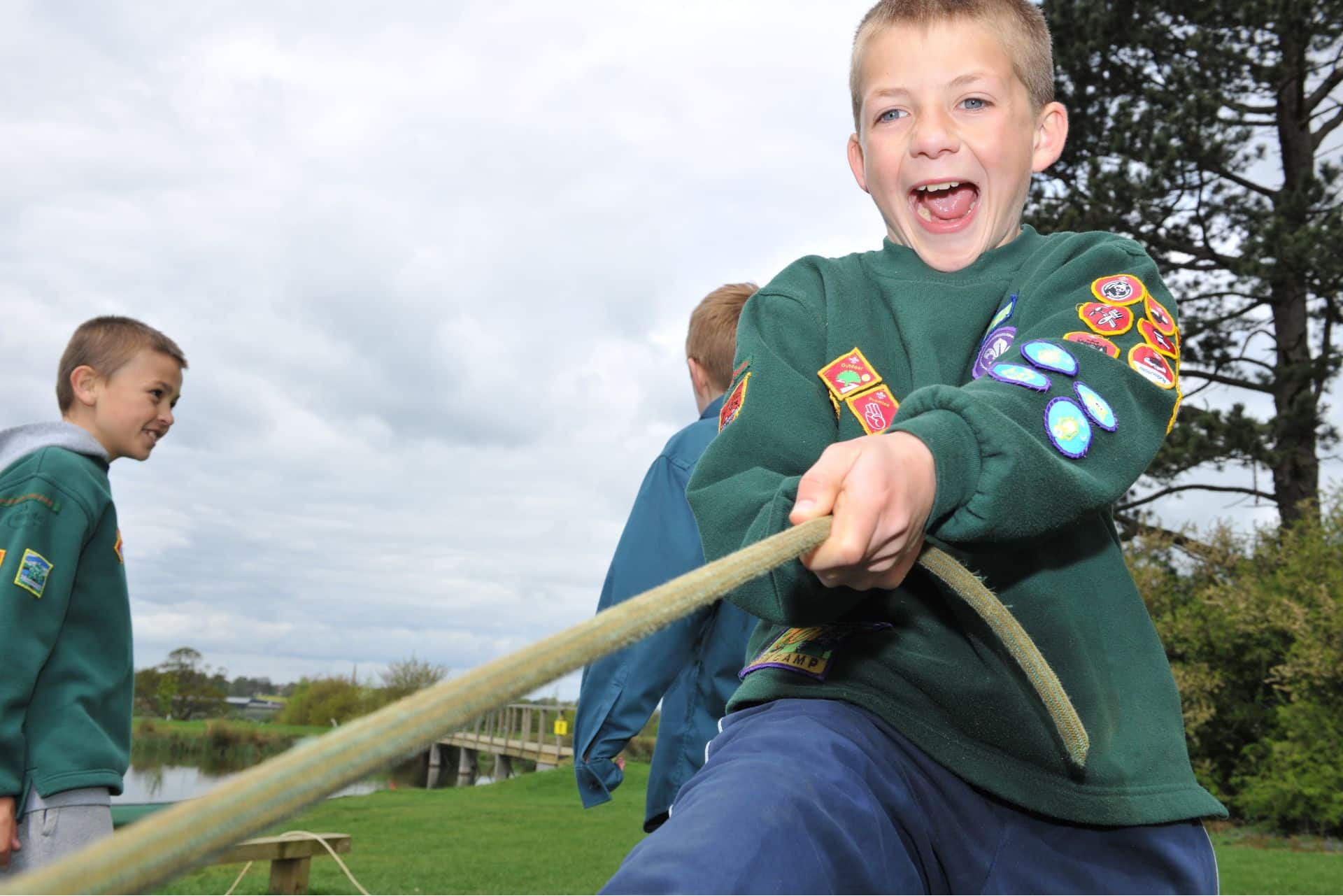
Planning a well-rounded programme of Scout adventure activities can sometimes feel like a balancing act. Weekly sessions are ideal for building skills gradually, but certain activities need more time, space, and the right environment to be delivered effectively. That’s where residential trips come in.
A Scout residential offers the opportunity to step outside the usual routine and fully immerse young people in outdoor learning. With more time, access to specialist facilities, and fewer day-to-day distractions, it becomes much easier to complete meaningful, high-impact activities that contribute to badgework and personal development.
Why Some Adventure Activities Are Best Suited to Residential Trips
Weekly meetings are great for introducing skills, building friendships and keeping momentum going. But when it comes to fully completing more involved badges and adventure elements, time and environment can be limiting.
Residential trips help bridge that gap by offering:
- Extended Time for Activities: No need to squeeze everything into a short evening session
- Access to Specialist Facilities: From climbing walls to water sports equipment
- Qualified Instructors: Ensuring activities are delivered safely and effectively
- A Distraction-Free Environment: Allowing Scouts to fully focus and engage
They also create a more natural setting for developing independence, teamwork and resilience — all of which sit at the heart of Scouting.
For leaders planning Scout weekend adventure ideas, residentials open up far more opportunities to deliver structured, meaningful experiences that contribute directly to badge work and personal development.
1. Giving Scouts Enough Time to Properly Complete Activities
One of the biggest challenges leaders face is time. Many Scout residential activities require more than just a quick introduction — they need sustained engagement to be meaningful.
On a residential trip, Scouts can:
- Spend several hours (or even multiple sessions) engaging in new activities
- Build on skills progressively rather than starting from scratch each week
- Reflect on what they’ve learned and improve
For example, an activity like climbing isn’t just about getting to the top once. With more time, Scouts can:
- Learn proper technique
- Build confidence across multiple attempts
- Try different routes or challenges
This deeper level of engagement helps ensure activities aren’t just “tick box” experiences, but genuinely contribute towards completing adventure elements in a way that feels earned and rewarding.
2. Accessing a Wider Range of Adventure Activities
Residential trips open the door to a much broader mix of Scout adventure activities, often all in one place.
This might include:
- High ropes and zip wires
- Kayaking or raft building
- Archery and rifle shooting
- Orienteering and survival skills
Having access to these activities in a single location means Scouts can try new things they might not otherwise experience — helping them discover new interests and push themselves outside their comfort zone.
It also makes planning much easier for leaders, especially when looking for Scout weekend adventure ideas that deliver maximum impact in a short timeframe.
3. Learning From Qualified Instructors
Delivering adventure activities safely and effectively often requires specialist knowledge and qualifications.
On residential trips, Scouts benefit from working with experienced instructors who:
- Teach correct techniques from the start
- Adapt activities to suit different ability levels
- Encourage progression in a structured way
This not only improves the quality of the experience but also helps ensure that activities contribute properly towards badge requirements.
For leaders, it removes the pressure of having to deliver everything themselves — allowing them to focus more on supporting their group and enjoying the experience alongside them.
4. Building Confidence Through Immersive Experiences
Adventure activities naturally push Scouts out of their comfort zone — but the residential setting amplifies this in a positive way.
Being away from home, trying new activities and working closely with their group helps Scouts to:
- Become more independent
- Develop resilience when things feel challenging
- Build confidence in their own abilities
Because these experiences happen over a sustained period, the impact is often much greater than a one-off session.
Scouts have time to face challenges, reflect, and try again — which is where real growth happens.
5. Strengthening Teamwork and Communication
Many Scout residential activities are designed to be completed as a group, making them ideal for developing teamwork skills.
Activities like raft building, problem-solving challenges or team obstacle courses encourage Scouts to:
- Communicate clearly
- Listen to others’ ideas
- Work collaboratively towards a shared goal
Spending extended time together on a residential also helps strengthen friendships and build trust within the group.
This improved group dynamic often carries back into regular meetings, making future activities more effective and enjoyable for everyone involved.
6. Problem-Solving Challenges That Encourage Creativity
Not every activity needs to be physical. Some of the most effective learning comes from simple problem-solving tasks that encourage thinking outside the box.
These challenges might include:
- Building structures using limited materials
- Completing puzzles as a team
- Solving logic-based challenges under time pressure
- Working through “what would you do?” scenarios
What’s important here is the process rather than the outcome. These activities encourage discussion, experimentation, and collaboration, all of which are key parts of personal development.
7. Leadership Rotations That Build Confidence and Responsibility
Giving young people the opportunity to lead is one of the most effective ways to build confidence.
By rotating leadership roles during activities, everyone gets a chance to take responsibility in a supportive environment.
This could involve:
- Leading a small group task
- Making decisions about how to approach an activity
- Managing time and organisation within a team
- Supporting others through challenges
Over time, this helps young people understand what good leadership looks like, while also building their own confidence in making decisions.
8. Planning Exercises that Teach Organisation and Independence
Planning activities are a great way to introduce structure and responsibility in a practical way.
Rather than simply taking part in activities, young people are encouraged to think about how those activities are organised.
They might:
- Plan a group camping schedule
- Create a packing list for a trip
- Organise food and equipment for an activity day
- Decide how to allocate tasks within a team
These exercises help build independence and show young people how much thought goes into successful planning.
9. Reflection Sessions That Help Learning Stick
Reflection is often overlooked, but it’s one of the most important parts of any activity.
Taking time to talk about what went well, what was challenging, and what could be improved helps reinforce learning and build self-awareness.
This might include:
- Group discussions after activities
- Sharing personal achievements
- Setting small goals for the next session
- Recognising teamwork and effort
These moments help young people process what they’ve experienced and turn it into long-term learning.
Bringing Scout and Girlguiding Activities to Life with PGL
While weekly sessions are a fantastic foundation, residential experiences can take these skills even further.
At PGL, we build on the same principles found in everyday Scout activities for life skills and Girlguiding activities ideas, but place them into immersive outdoor environments where young people can fully focus on personal development.
Across our programmes, young people are able to:
- Take part in meaningful teamwork activities for Scouts in new environments
- Build independence away from home in a supported setting
- Gain confidence through outdoor challenges and shared experiences
- Strengthen friendships while developing communication skills
Our experiences are designed to complement what leaders are already doing, helping bring learning to life in a way that feels memorable and impactful.
Explore our dedicated programmes for Scouts and Girlguiding units, or contact us for more information.