

Creating opportunities for every child to feel included, confident and capable is at the heart of any meaningful group experience. For children with autism, the right activities can do far more than keep them engaged – they can support communication, reduce anxiety, and help build lasting confidence.
Whether you’re planning sessions in school, running a club or organising a residential, having a thoughtful mix of activities for children with autism can make all the difference. Below, we explore practical, inclusive options, why they work, and how they can be adapted to suit a wide range of needs.
Why inclusive activities matter
Children with autism often experience differences in communication, social interaction, and sensory processing. That means activities need to be flexible, supportive and designed with inclusion in mind.
Well-planned SEN activities can:
- Support social interaction in a low-pressure way: Activities that don’t force eye contact or immediate verbal responses allow children to engage more comfortably. For example, side-by-side tasks like building something or completing a trail encourage interaction naturally, without putting children on the spot.
- Build confidence through achievable challenges: Breaking activities into smaller, manageable steps helps children experience success more often. Completing a climbing element, solving part of a puzzle, or reaching a checkpoint in orienteering can all boost self-belief.
- Encourage communication in different forms: Not all communication is verbal. Activities that include gestures, visual cues, or shared goals give children alternative ways to express themselves and connect with others.
- Provide structure and predictability: Knowing what’s coming next can significantly reduce anxiety. Clear instructions, visual schedules, and consistent routines help children feel more in control of their environment.
- Help regulate sensory input: Some activities can calm (like repetitive or rhythmic tasks), while others provide controlled stimulation. Having a mix allows children to engage in a way that suits how they’re feeling.
- Create a sense of belonging: When activities are inclusive, children are more likely to feel part of the group rather than separate from it, which is key for emotional wellbeing.
Types of activities for children with autism on residential trips
When planning inclusive experiences, it helps to think in terms of different activity types rather than one-size-fits-all options. Every child will respond differently depending on their preferences, sensory needs, and confidence levels.
On residential trips in particular, a balanced mix of activities can help children feel more comfortable, engaged, and supported throughout their stay.
Below are some of the most effective types of activities for children with autism, along with how they can be adapted to suit a range of needs.
Outdoor adventure activities
Outdoor settings can be particularly effective, offering space, freedom, and a more relaxed environment compared to busy indoor spaces.
Examples include:
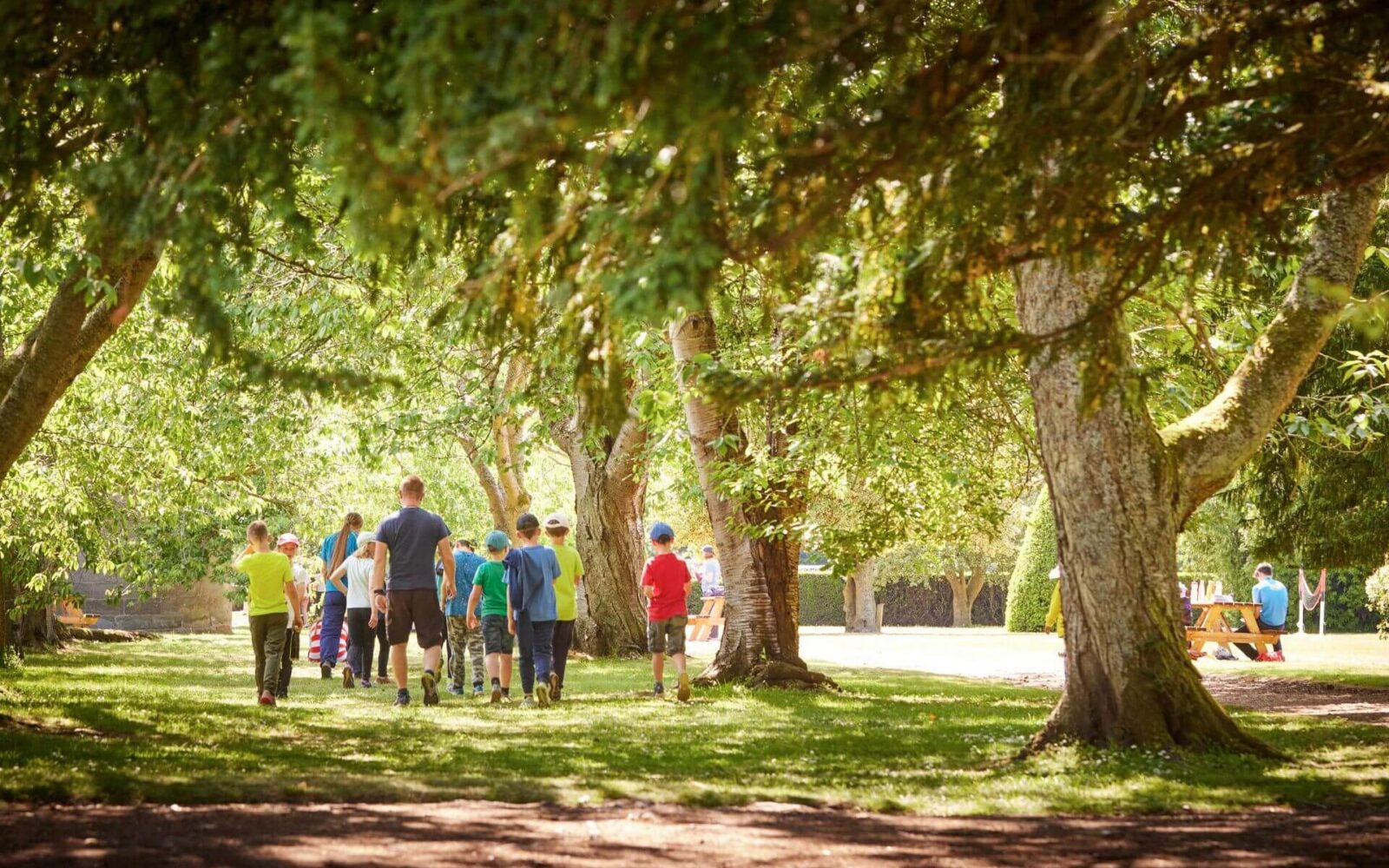
- Nature walks with simple objectives: Rather than unstructured walking, adding a purpose, like spotting certain plants, colours, or wildlife, helps maintain focus and gives a clear goal. For example, a “find five different textures” task can make the activity more engaging.
- Bug hunting and environmental exploration: Activities like lifting logs, using magnifiers, or identifying insects can encourage curiosity. These are great for children who enjoy detail-focused tasks or repetitive searching behaviours.
- Orienteering with visual checkpoints: Using maps, symbols, or colour-coded markers allows children to navigate at their own pace. It also builds problem-solving skills without relying heavily on verbal instruction.
- Introductory climbing or low ropes: These activities can be adapted with clear step-by-step guidance, allowing children to challenge themselves physically while feeling supported.
These open environments work best for SEN students as they reduce the feelings of confinement or overstimulation. As well as being surrounded by nature, it also offers a calming sensory input like fresh air, natural sounds and space.
Sensory-friendly activities
Sensory-friendly activities are an important part of creating inclusive experiences, as many children with autism process sensory input differently. Providing opportunities to explore textures, sounds, and movement in a controlled way can help children feel more comfortable and regulated.
These types of SEN activities are especially useful for balancing more active sessions, giving children time to reset and engage at their own pace.
Examples include:
- Water-based activities: Pouring, splashing, or measuring water can be both calming and engaging. Structured tasks like filling containers to certain levels add a simple goal.
- Textured materials and tactile play: Using sand, foam, fabric or natural materials allows children to explore different sensations. This can be especially beneficial for those who seek tactile input.
- Sensory trails: Creating a pathway with different surfaces (grass, pebbles, sand) or elements (sounds, visuals) encourages exploration at a comfortable pace.
- Light and sound exploration: Activities involving torches, reflective materials, or gentle sounds can support sensory engagement without overwhelming the child.
These activities for children with autism work well because they allow each child to control how they engage. Whether they prefer calming, repetitive actions or more stimulating input, sensory activities can be easily adapted to suit individual needs.
Team building activities
Team-building activities can feel challenging for some children with autism, particularly when they involve communication or group interaction. However, when structured thoughtfully, they can become a positive way to build connections and confidence.
On residential trips, these types of disability activities can help children feel part of the group while still allowing flexibility in how they participate.
Examples include:
- Problem-solving challenges with clear roles: Assigning specific roles, such as map reader or organiser, helps reduce uncertainty and gives each child a clear purpose within the group.
- Treasure hunts with visual clues: Using pictures or symbols instead of written instructions makes the activity more accessible and engaging.
- Obstacle courses with flexible participation: Children can choose how they take part, whether that’s completing elements themselves or supporting teammates.
- Simple cooperative games: Activities focused on a shared goal, rather than competition, help create a more supportive and less pressured environment.
These autism activities are most effective when expectations are clear, and pressure is reduced. By focusing on cooperation rather than competition, children can engage in a way that feels comfortable and rewarding.
Creative activities
Creative activities offer children an alternative way to express themselves, which can be especially important for those who find verbal communication challenging. They provide a safe, flexible space where there is no single “right” outcome.
Including creative SEN activities within a residential trip also helps balance more structured or physically demanding sessions.
Examples include:
- Arts and crafts with open-ended outcomes: Activities like painting, collage, or model-making allow children to explore ideas without pressure to achieve a specific result.
- Music and rhythm-based sessions: Clapping patterns, simple instruments, or listening exercises can support engagement and sensory regulation.
- Storytelling and drama: Using prompts or props can help children explore ideas and emotions in a structured but imaginative way.
- Building and design challenges: Tasks such as constructing shelters or designing objects can appeal to children who enjoy hands-on or logical activities.
These activities for children with autism support creativity and self-expression while allowing flexibility in how children take part. They can be particularly helpful for building confidence in a low-pressure environment.
Structured routine based activities
Structure and predictability can play a key role in helping children with autism feel comfortable, particularly in new environments like residential trips. Activities that follow a clear routine can reduce anxiety and make it easier for children to understand what’s expected.
These types of SEN activities are often most effective when combined with visual cues and consistent delivery.
Examples include:
- Step-by-step guided sessions: Breaking activities into clear stages helps children follow along more easily and feel a sense of progress.
- Rotational activity schedules: Moving between activities in a predictable order helps children know what’s coming next.
- Repetitive skill-building tasks: Repeating similar actions or challenges helps reinforce learning and build confidence over time.
Structured autism activities help create a sense of stability and control. By reducing uncertainty and providing clear expectations, they allow children to engage more confidently and independently.
How to make activities more inclusive
Inclusive activities for children with autism don’t need to be complicated – small, thoughtful adjustments can have a big impact.
Practical ways to adapt activities:
- Break instructions into smaller steps: Instead of giving multiple instructions at once, deliver them one at a time, using simple, clear language.
- Use visual aids and demonstrations: Showing what to do can often be more effective than explaining it, especially for children who process information visually.
- Allow extra processing time: Giving children a few extra seconds to respond helps reduce pressure and improves understanding.
- Offer choice wherever possible: Letting children choose between activities or roles helps them feel more in control and comfortable.
- Provide quiet or breakout spaces: Having a calm area available allows children to step away if they feel overwhelmed.
- Adjust sensory elements: This might include reducing noise, avoiding bright lights, or adapting equipment.
- Focus on effort rather than outcomes: Recognising participation and progress helps build confidence and encourages continued engagement.
Supporting children with autism on residential trips
At PGL, SEND provision is built into the experience, helping children access a wide range of SEN activities and outdoor adventures in a way that works for them.
Support may include:
- Pre-visit planning with schools and group leaders: Understanding individual needs in advance allows activities to be adapted appropriately.
- Flexible delivery of activities: Sessions can be adjusted in pace, structure, or intensity depending on how children are feeling.
- Experienced, trained instructors: Staff understand how to support children with different needs, including communication and sensory differences.
- Adapted equipment and approaches: Where needed, activities can be modified to ensure accessibility.
- A balance of activity and downtime: Scheduling quieter periods helps children recharge and avoid overwhelm.
- Clear and consistent communication: Keeping instructions simple and predictable helps children feel more secure.
With thoughtful planning and supportive delivery, children with autism can take part in meaningful experiences that build confidence, independence, and connection.
Explore how PGL can adapt your residential trip to support your SEND and ASN children today.